


Breast fillers price is a key consideration for anyone exploring non-surgical breast augmentation. On average, breast fillers can range from £650 to £3,000, depending on various factors. A significant factor is the type of filler used. Bio-Gel Filler typically costs less initially, with refreshing every 6-8 months, while Hyaluronic Acid (HA) Filler may have a higher upfront cost but lasts 2-4 years, with annual maintenance suggestions.
Breast fillers offer a way to achieve fuller, firmer breasts without the commitment of surgery. They can minimize wrinkles and improve skin health, offering an appealing option for those seeking natural-looking improvements. Cost is crucial, and various aspects, from location to the expertise of the practitioner, play a role in the overall expense.
As Dr. Avron Lipschitz MD, with over 15 years of experience in advanced aesthetic procedures, I’ve seen the transformative power of breast fillers. My practice focuses on delivering outstanding results with expert care, helping patients make informed decisions about breast fillers price to achieve their aesthetic goals.

Terms related to breast fillers price:
– breast augmentation price
– fat grafting breast cost
– fat grafting breast reconstruction
What Are Breast Fillers?
Breast fillers are injectable substances used to improve the volume and shape of breasts. They offer a non-surgical alternative to traditional breast implants, providing a less invasive way to achieve a fuller bust.

Injectable Substances
Two main types of fillers are commonly used for breast augmentation: Hyaluronic Acid (HA) Fillers and Bio-Gel Fillers. HA fillers, known for their use in facial treatments, are adapted for breast improvement by using larger quantities. Bio-Gel, on the other hand, is crafted using advanced PRP (Platelet-Rich Plasma) techniques, offering additional skin rejuvenation benefits.
Volume Improvement
Breast fillers are designed to add volume to the breasts, giving them a fuller appearance. This is achieved by injecting the filler material beneath the skin, which then adds volume and improves the natural contours of the breast. Unlike traditional implants, which increase cup size, fillers provide a more subtle volume improvement.
Shape Improvement
In addition to volume, breast fillers can improve the shape of the breasts. They can help achieve a rounder and perkier appearance, addressing concerns such as skin laxity or minor asymmetry. This makes them an attractive option for women looking to improve their breast shape without undergoing surgery.
Breast fillers offer a customizable approach to breast augmentation, allowing for adjustments in both volume and shape based on individual preferences. They provide a flexible solution for those seeking natural-looking improvements with minimal downtime.
Types of Breast Fillers
When considering breast fillers, you’ll encounter two primary options: Hyaluronic Acid (HA) Fillers and Bio-Gel Fillers. Each has its own unique characteristics, longevity, and maintenance needs.
Hyaluronic Acid (HA) Fillers
Hyaluronic Acid Fillers are a popular choice for those looking to improve breast volume. Known for their use in facial treatments, HA fillers are adapted for breast augmentation by using larger quantities. They primarily focus on adding volume and shaping the breast area, creating a fuller appearance.
- Longevity: HA fillers generally last between 1 to 2 years. This makes them a longer-lasting option compared to some other fillers.
- Maintenance: An annual maintenance appointment is recommended to ensure optimal results and maintain the desired breast shape and volume.
Bio-Gel Fillers
Bio-Gel Fillers are crafted using advanced PRP (Platelet-Rich Plasma) techniques. They not only improve breast fullness and firmness but also offer skin rejuvenation benefits. This makes them ideal for those with smaller breasts or concerns about skin laxity.
- Longevity: Bio-Gel Fillers typically last around 6 to 12 months. While they may not last as long as HA fillers, they provide additional skin health benefits.
- Maintenance: A maintenance appointment every 6 to 8 months is suggested to keep the results looking fresh and natural.
Comparing Longevity and Maintenance
| Filler Type | Longevity | Maintenance Frequency |
|---|---|---|
| Hyaluronic Acid | 1-2 years | Annually |
| Bio-Gel | 6-12 months | Every 6-8 months |
Both HA and Bio-Gel fillers offer unique benefits. HA fillers provide substantial volume and longer-lasting results, while Bio-Gel fillers improve skin health alongside breast augmentation. Choosing the right type depends on your goals and preferences.
Breast Fillers Price Breakdown
When considering breast fillers, understanding the cost is crucial. Here’s a breakdown to help you plan financially for this non-surgical augmentation.
Cost per cc
The cost of breast fillers is typically measured per cubic centimeter (cc). On average, the price can range from $600 to $800 per cc for Hyaluronic Acid (HA) Fillers. Bio-Gel Fillers might have a different pricing structure due to their unique formulation and additional benefits.
Total Cost Estimation
To estimate the total cost, you’ll need to consider the volume of filler required. For instance, enhancing breast volume significantly might require multiple cc’s, translating to a higher overall cost. On average, a procedure could range from $3,000 to $6,000, depending on the desired results and the amount of filler used.
Maintenance Costs
Maintenance is an essential part of keeping your results looking fresh. For HA Fillers, an annual maintenance appointment is recommended, potentially adding $600 to $1,200 to your yearly expenses. Bio-Gel Fillers require more frequent touch-ups, every 6 to 8 months, which could mean a similar annual cost.
Estimating Total Costs
Here’s a simple breakdown to help you visualize potential costs:
| Filler Type | Initial Procedure Cost | Annual Maintenance Cost |
|---|---|---|
| Hyaluronic Acid | $3,000 – $6,000 | $600 – $1,200 |
| Bio-Gel | $3,000 – $6,000 | $1,200 – $2,400 |
These figures are estimates and can vary based on individual needs, geographic location, and the expertise of the practitioner. It’s essential to have a detailed consultation to determine the exact costs for your specific situation.
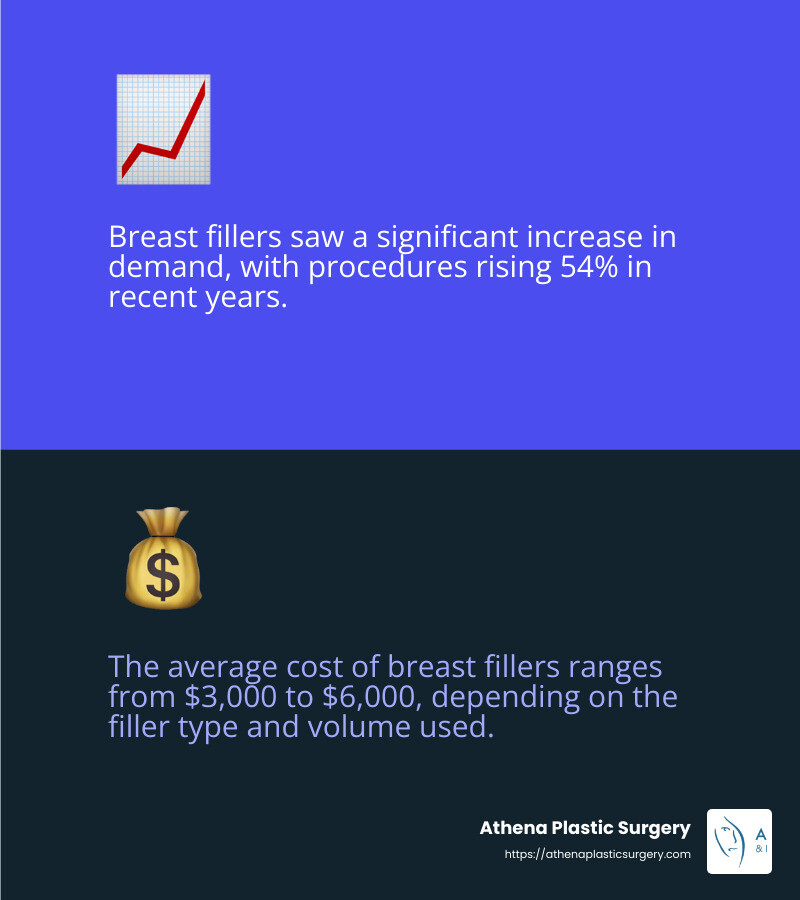
Understanding these costs can help you make an informed decision about breast fillers and plan for any ongoing expenses related to maintaining your desired results.
Factors Influencing Breast Fillers Price
When it comes to breast fillers price, several factors play a significant role in determining the overall cost. Let’s break these down to help you understand what might affect your investment.
Geographic Location
Where you live can greatly impact the cost of breast fillers. Prices tend to be higher in urban areas with a high demand for cosmetic procedures. For example, in states like California or New York, where the cost of living is higher, you might find that procedures are more expensive compared to less populated areas.
Surgeon’s Experience
The expertise of the surgeon or practitioner performing the procedure also influences the price. More experienced practitioners, especially those with a strong reputation and specialized skills, may charge higher fees. Their extensive experience can provide peace of mind, but it’s important to consider your budget and the value of the expertise offered.
Type of Filler
Different types of fillers come with varying costs. Hyaluronic Acid (HA) Fillers and Bio-Gel Fillers have different pricing structures because of their unique properties and benefits. HA fillers might be more expensive due to their longer-lasting results, while Bio-Gel fillers could be priced differently due to their specific formulation and the additional benefits they provide, like improved blood circulation and skin rejuvenation.
Procedure Complexity
The complexity of the procedure can also affect the cost. If your desired results require more filler or a more intricate application technique, you might see an increase in the overall price. Each individual’s goals and body type can influence how complex the procedure will be, and thus, how much it will cost.
All these factors combined contribute to the final breast fillers price you’ll encounter. It’s important to discuss these aspects during your consultation to get a clear understanding of what to expect financially.
Breast Fillers vs. Traditional Implants
Choosing between breast fillers and traditional implants can be a big decision. Let’s break down the differences in cost, procedure, longevity, and safety concerns to help you decide.
Cost Comparison
Breast Fillers: The cost of breast fillers can range from £650 to £3,000, depending on the type of filler used and the amount required. Maintenance costs should also be considered, as Bio-Gel fillers last around 6-12 months, while HA fillers can last 1-2 years. Regular touch-ups can add to the overall expense.
Traditional Implants: The average surgeon’s fee for breast implant surgery is around $4,294 to $4,617, according to the American Society of Plastic Surgeons and the American Society of Aesthetic Plastic Surgery. However, this does not include additional costs like anesthesia, operating room fees, and post-operative care, which can increase the total cost significantly.
Procedure Differences
Breast Fillers: This is a non-surgical procedure involving injectable substances to improve breast volume and shape. It’s less invasive, with a shorter recovery time of 3-5 days. The treatment time is typically 60-90 minutes, and there’s minimal downtime.
Traditional Implants: This surgical procedure involves placing silicone or saline implants into the breast. It requires anesthesia and has a longer recovery period, often involving several weeks of downtime. Surgical procedures are more invasive and require a hospital or surgical facility.
Longevity
Breast Fillers: The longevity of fillers varies. Bio-Gel fillers last 6-12 months, while HA fillers can last 1-2 years. Regular maintenance is necessary to keep the desired look.
Traditional Implants: Implants typically last about 10 years, though some may last longer. However, they may require future surgeries for replacement or removal, especially if complications arise or if the implants rupture.
Safety Concerns
Breast Fillers: While generally considered safe, fillers can have risks such as swelling, infection, or lumps. It’s crucial to choose a qualified practitioner to minimize these risks.
Traditional Implants: Implants carry risks like rupture, capsular contracture (scar tissue forming around the implant), and possible interference with mammograms. Regular monitoring and occasional MRI screenings are recommended to check for silent ruptures, particularly with silicone implants.
In summary, both breast fillers and traditional implants have their pros and cons. Breast fillers offer a less invasive, temporary solution with fewer upfront costs, while traditional implants provide a longer-term option but come with a higher initial investment and potential for additional surgeries. Understanding these differences can help you make an informed decision based on your personal needs and circumstances.
Safety and Risks of Breast Fillers
When considering breast fillers, understand the potential safety concerns and risks involved. Although these non-surgical procedures are generally safe, there are some complications to be aware of.
Common Complications
Pain and Swelling: After the procedure, some pain and swelling are normal. This usually subsides within a few days. However, if pain persists, it’s crucial to consult with your healthcare provider.
Infection: As with any procedure involving injections, there’s a risk of infection. Signs include redness, warmth, and fever. If you notice these symptoms, contact your practitioner immediately.
Tissue Death: In rare cases, fillers can cause tissue death due to reduced blood flow. This is more likely if the filler is injected improperly. Choosing an experienced provider can minimize this risk.
Encapsulated Lumps: Some people may develop lumps under the skin after the treatment. These lumps are usually harmless and can often be massaged out, but in some cases, they may require medical attention.
Fibrosis: Fibrosis is the formation of excess fibrous tissue, which can occur around the filler. This can lead to the area feeling firmer than expected. Regular check-ups can help monitor and manage this condition.
Minimizing Risks
To reduce the chances of complications, it’s important to follow pre-care and aftercare instructions carefully. Avoid alcohol and certain vitamins before and after the procedure, and maintain a high standard of cleanliness. Ensuring you’re well-hydrated and avoiding strenuous activities can also aid in a smooth recovery.
Choosing a qualified and experienced practitioner is key to minimizing risks associated with breast fillers. They will guide you through the process and provide personalized advice to ensure your safety and satisfaction.
How Long Do Breast Fillers Last?
When considering breast fillers, understanding their longevity can help you make an informed decision about your treatment plan. The two main types of fillers—Hyaluronic Acid (HA) fillers and Bio-Gel fillers—offer different durations and maintenance needs.
HA Fillers Duration
HA fillers are known for their longevity and volume-enhancing properties. Typically, they last between 1 to 2 years. This makes them a popular choice for those looking for significant volume improvement without frequent touch-ups. However, it’s recommended to have an annual maintenance appointment to ensure the best results and prolong the effects.
Bio-Gel Fillers Duration
Bio-Gel fillers, crafted using advanced PRP techniques, provide a more subtle improvement. They generally last 6 to 12 months. This option is ideal for individuals seeking not only volume but also skin rejuvenation benefits. Due to their shorter duration, a 6-month maintenance schedule is often advised to maintain the desired appearance.
Maintenance Recommendations
Regardless of the filler type, regular maintenance is key to sustaining your results. Here are some tips to help you plan:
Schedule Regular Check-Ups: Follow your practitioner’s advice on when to return for maintenance. This helps in adjusting the treatment based on how your body metabolizes the filler.
Follow Aftercare Instructions: Proper aftercare can extend the life of your fillers. Stay hydrated, avoid strenuous activities, and protect the treated area from extreme temperatures.
Lifestyle Considerations: Factors like smoking, sun exposure, and diet can affect filler longevity. Making healthy lifestyle choices can improve the durability of your results.
Understanding the lifespan of breast fillers and adhering to maintenance recommendations can help you achieve and maintain the improved, fuller breasts you desire.
Frequently Asked Questions about Breast Fillers Price
How much do breast fillers cost?
The breast fillers price can vary significantly based on several factors. On average, the cost ranges from £650 to £3,000. This price depends on the type of filler used, the amount needed, and the practitioner’s expertise. For instance, Hyaluronic Acid (HA) fillers are typically more expensive due to their longer-lasting effects and the volume they provide. Bio-Gel fillers might be on the lower end of the spectrum, offering a more subtle improvement.
Are breast fillers covered by insurance?
Generally, breast fillers are considered cosmetic procedures and are not covered by insurance. Insurance plans usually do not include coverage for elective cosmetic treatments like fillers. However, some clinics may offer financing options to help manage the cost. It’s best to discuss payment options with your provider before proceeding with the treatment.
What are the best fillers for breasts?
Choosing the best filler for breasts depends on your goals and preferences. HA fillers are ideal for those seeking significant volume and longer-lasting results, typically lasting 1 to 2 years. They are known for their smooth texture and the ability to improve breast shape effectively.
On the other hand, Bio-Gel fillers are suited for individuals looking for a more natural improvement with additional skin rejuvenation benefits. They last about 6 to 12 months and are crafted using advanced PRP techniques, which can improve skin health and vitality.
Consulting with a qualified practitioner will help determine which filler aligns best with your desired outcomes and lifestyle.
Conclusion
At Athena Plastic Surgery, we understand that choosing to improve your appearance is a deeply personal decision. Our commitment to aesthetic excellence and compassionate care ensures that every patient feels valued and understood throughout their journey.
Led by the esteemed Dr. Avron, who trained at Johns Hopkins, our team is dedicated to providing top-tier plastic surgery services. Dr. Avron’s expertise and attention to detail are evident in every procedure, ensuring that patients achieve their desired results safely and effectively.
Whether you’re considering breast fillers or other cosmetic improvements, you can trust us to provide guidance custom to your unique needs. We prioritize your safety and satisfaction, using the latest techniques to deliver natural-looking results that improve your confidence.
If you’re ready to explore your options, we invite you to learn more about our services by visiting our Breast Augmentation page. Here, you’ll find detailed information on how we can help you achieve your aesthetic goals with care and precision.