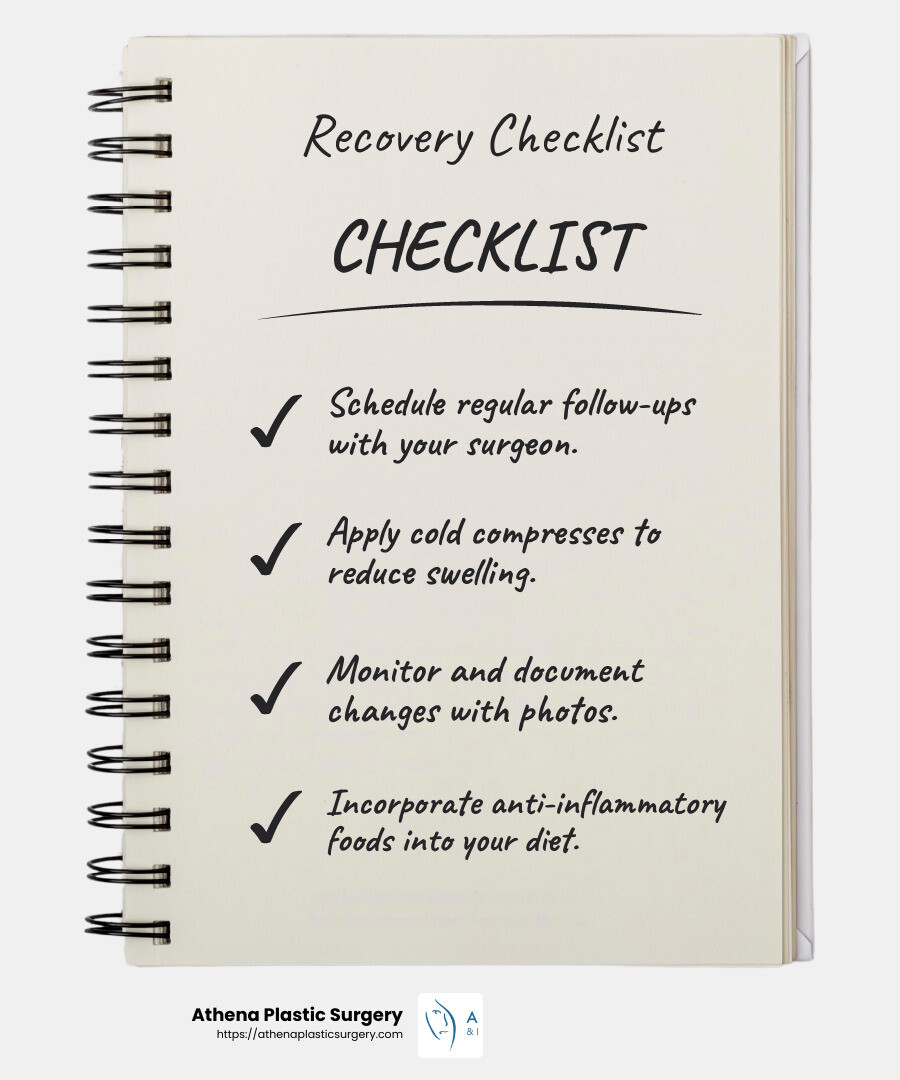
Bump after rhinoplasty is a concern many patients face as they steer the healing process. When you undergo rhinoplasty, swelling and bumps can be part of the normal recovery phase. Usually occurring as the body’s natural response to surgery, these bumps can be primarily attributed to post-surgical swelling.
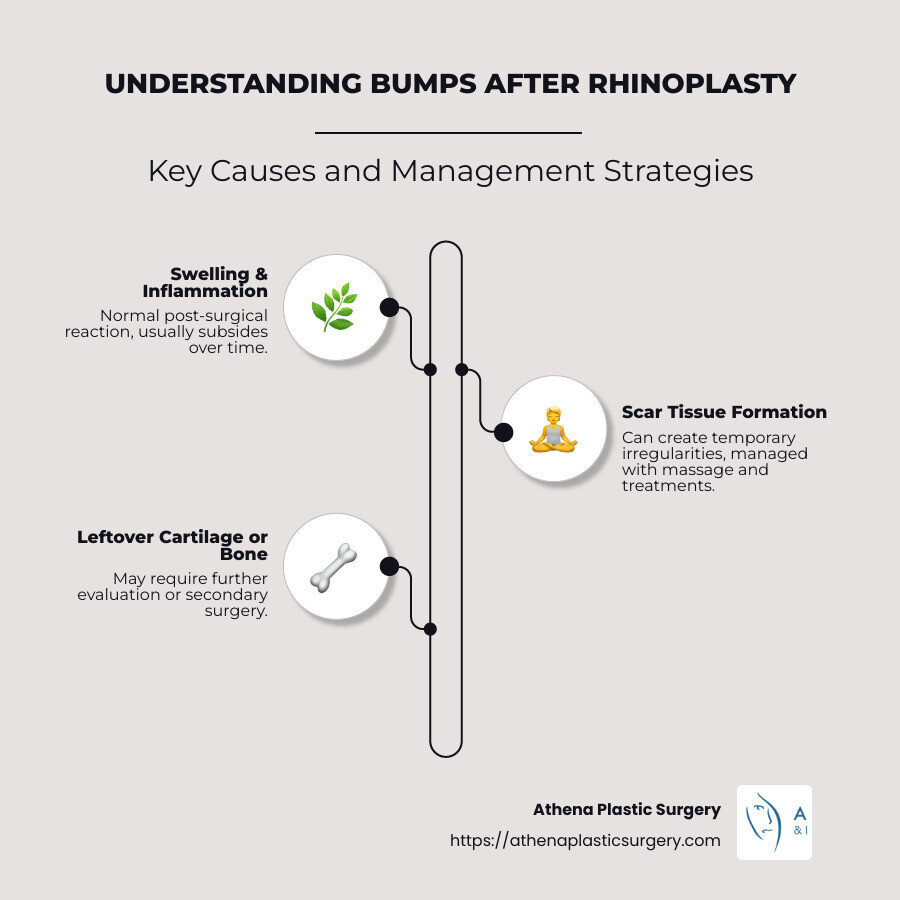
- Swelling: Common in the initial weeks, it usually subsides over time.
- Scar tissue: Can form and create temporary irregularities.
- Leftover cartilage: Could potentially lead to bumps requiring further evaluation.
These effects are not uncommon, and many of them resolve on their own as the healing progresses.
At Athena Plastic Surgery, our mission is to support you through this journey, ensuring you receive compassionate care custom to your needs. I am Dr. Avron Lipschitz, with experience in tackling bump after rhinoplasty challenges. Our practice focuses on achieving aesthetic excellence while ensuring patient safety and comfort.
Bump after rhinoplasty basics:
– upturned nose 6 months after rhinoplasty
– rhinoplasty
– nasal alar reduction
Common Causes of Bumps After Rhinoplasty
Swelling and Inflammation
Swelling is one of the most common causes of a bump after rhinoplasty. It happens because your body is healing from surgery. Swelling can make your nose look uneven or bumpy, especially in the first few weeks. But don’t worry—this is usually temporary.

To help reduce swelling:
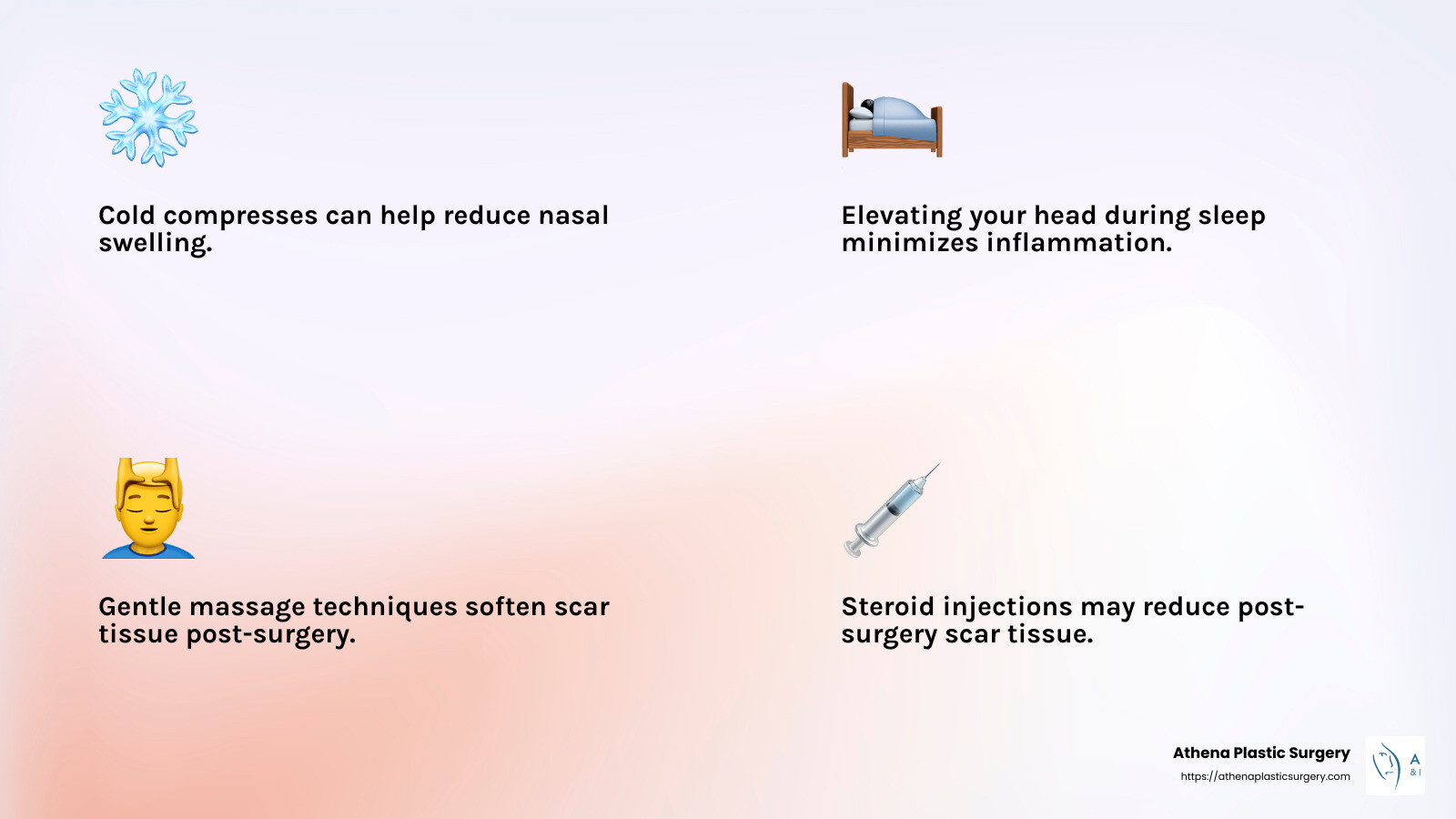
- Cold Compresses: Gently apply cold compresses to your nose. This can help reduce swelling in the early stages.
- Elevation During Sleep: Keep your head liftd while sleeping. This helps reduce inflammation and promotes healing.
Scar Tissue Formation
Scar tissue can also create bumps on your nose after surgery. When your body heals, it forms scar tissue. Sometimes, this scar tissue can make your nose look uneven.
To manage scar tissue:
- Massage Techniques: Once your surgeon gives the green light, gentle massage can help soften scar tissue.
- Steroid Injections: In some cases, your surgeon might recommend steroid injections to reduce scar tissue and smooth out bumps.
Leftover Cartilage or Bone
Sometimes, a bump after rhinoplasty might be due to leftover cartilage or bone. If these were not entirely removed or reshaped during the surgery, they can cause bumps.
In such cases, you might consider:
- Secondary Rhinoplasty: Also known as revision surgery, this can help correct any leftover issues. It involves reshaping the cartilage or bone to achieve the desired look.
- Cartilage Grafts: If additional support is needed, cartilage grafts can be used to smooth out the nose’s appearance.
Each of these causes requires different management strategies, and it’s crucial to work closely with your surgeon to determine the best approach for you. At Athena Plastic Surgery, we are committed to helping you understand and address any concerns about your bump after rhinoplasty.
Managing Post-Rhinoplasty Bumps
Early Detection and Monitoring
Keeping an eye on your nose after surgery is essential. Regular checks can help catch any issues early. Use bright lighting to inspect your nose daily. Feel for any new or larger bumps by gently pressing the area with clean hands.
Photo Documentation: Take weekly photos from different angles. This visual record helps you track changes and share progress with your surgeon.
Surgeon Consultations: If you notice persistent bumps or changes, consult your surgeon. They can evaluate your situation and recommend appropriate treatments.
Immediate Care Techniques
Right after surgery, immediate care can make a big difference in managing bumps.
Cold Compresses: Apply cold compresses to your nose for 10-minute intervals. This can help reduce swelling and soothe the skin. Remember to wrap ice packs in a soft cloth to avoid direct contact with the skin.
Elevation Strategies: Sleep with your head liftd above your heart. This position helps reduce inflammation and promotes drainage, which can minimize swelling.
Non-Invasive Measures: Techniques like gentle massage can be effective once your surgeon approves. These methods help manage swelling and scar tissue, supporting a smoother healing process.
Professional Treatments
When bumps persist, professional treatments may be necessary.
Steroid Injections: These can reduce inflammation and scar tissue, helping to smooth out bumps. Your surgeon will determine if this is a suitable option for you.
Secondary Rhinoplasty: If leftover cartilage or bone causes a bump, a secondary rhinoplasty, or revision surgery, might be needed. This procedure addresses unresolved issues from the initial surgery.
Each treatment option has its own benefits and considerations. It’s important to discuss these with your surgeon to choose the best path forward. At Athena Plastic Surgery, we are dedicated to guiding you through the process to achieve your desired results.
Frequently Asked Questions about Bumps After Rhinoplasty
Is it normal to still have a bump after rhinoplasty?
Yes, experiencing a bump after rhinoplasty is quite normal, especially in the early stages of recovery. Swelling is a natural part of the healing process and can cause temporary bumps. During the first month, swelling is often at its peak, which can lead to some unevenness.
Over the months, as swelling subsides, these bumps usually diminish. By the end of the first year, most patients see their final results, though some residual swelling might linger, especially if you have thicker skin.
If a bump remains after a year, it might be due to scar tissue or leftover cartilage, and consulting your surgeon can help determine the next steps.
What is the callus hump after rhinoplasty?
A callus hump can form during the bone healing process after rhinoplasty. When bones are reshaped, the body might respond by forming a callus, a type of bone healing response. This can result in a temporary bump on the nose, often called a callus hump.
The cartilage removal and reshaping process can also contribute to this. Over time, the callus usually smooths out as the bone heals fully. However, if the callus hump persists and affects the appearance or function of the nose, a consultation with your surgeon might be necessary to discuss potential treatments.
What to do if you accidentally bump your nose after rhinoplasty?
Accidentally bumping your nose post-surgery can be alarming, but taking quick action can help minimize any potential issues.
Cold Compresses: Immediately apply a cold compress to the area. This can help reduce any sudden swelling and soothe the skin. Ensure the compress is wrapped in a soft cloth to avoid direct contact with the skin.
Surgeon Consultation: Contact your surgeon as soon as possible. They can assess if the bump has caused any damage or shifted the nasal structures. Early intervention can prevent complications.
Swelling Reduction: Continue using elevation strategies by keeping your head liftd during sleep. This position helps minimize inflammation and supports proper drainage.
Following these steps can help manage the situation effectively. Your surgeon is your best resource for guidance and reassurance during your recovery journey.
Tips for Accelerating Recovery
Dietary Adjustments
Your diet plays a crucial role in how well you recover after rhinoplasty. To support healing and reduce swelling, incorporate anti-inflammatory foods into your meals. Think berries, nuts, and green vegetables. These foods can help fight inflammation naturally.
Omega-3s and protein are important too. They help repair tissues. Foods like fish, flaxseed, and lean meats are great sources. Also, don’t forget about vitamins C and E. They promote skin health and can be found in citrus fruits, almonds, and spinach.
Before making any big changes to your diet, it’s smart to talk to your healthcare provider. They can give you personalized advice based on your health needs.
Massage Techniques for Scar Tissue
Once your surgery site has healed, massage can be a helpful tool to manage scar tissue and reduce swelling. Here are some techniques you can try:
Circular Motions: Use your fingertips to make gentle circular motions over the scar. This can help improve blood flow and soften the tissue.
Cross-Fiber Pressure: Apply gentle pressure across the scar in a perpendicular direction. This technique can help break down denser scar tissue.
Longitudinal Gliding: Glide your fingers along the length of the scar. This can improve elasticity and further improve circulation.
Always start these techniques only after the skin has healed. If you’re unsure, consult with a professional for guidance.
Activity Restrictions
After rhinoplasty, it’s important to be mindful of your activities to protect your healing nose. Here are some key restrictions to keep in mind:
Avoid Strenuous Activity: Activities like heavy lifting or intense workouts can increase swelling and disrupt healing. Take it easy for the first few weeks.
Postpone Contact Sports: Sports that involve contact or risk of impact should be avoided for a couple of months. This helps prevent injury to the nose.
Careful Dressing: Choose clothing that doesn’t require pulling over your head. This reduces the risk of accidentally bumping your nose.
Patience is key. Following these guidelines can help ensure a smooth recovery and the best possible outcome for your rhinoplasty.
Conclusion
At Athena Plastic Surgery, we understand that every patient’s journey is unique, especially when it comes to managing bumps after rhinoplasty. Our approach is centered around providing patient-specific remedies to ensure that you achieve the best possible results.
Dr. Avron and our team are committed to offering comprehensive follow-up care to guide you through every step of the healing process. Whether you’re dealing with swelling, scar tissue, or residual cartilage issues, we are here to support you with custom solutions that fit your individual needs.
The path to recovery requires patience and attentive care. Regular follow-ups and open communication with your surgeon are crucial in addressing any concerns promptly. Our goal is to help you feel confident and satisfied with your new look.
For more information on how we can assist you in reshaping your nose, visit our Rhinoplasty Service Page. Let’s work together to achieve your aesthetic goals and improve your quality of life.