


Chemical peel for acne scars is a sought-after procedure that helps transform stubborn acne marks into smoother, refreshd skin. If you’re exploring this treatment, here’s the quick scoop:
- Reduces appearance of acne scars by removing the top skin layer.
- Boosts collagen production to fill in scars over time.
- Improves skin texture and tone for a fresher look.
When clearer skin often feels out of reach, chemical peels offer a way forward. By peeling away damaged layers, these treatments pave the path for new, healthy skin to emerge. It’s a solution acceptd by many seeking to bid farewell to lingering acne reminders.
I’m Avron Lipschitz MD, an experienced plastic surgeon dedicated to providing leading-edge cosmetic treatments. With over 15 years of expertise, my focus on procedures like chemical peel for acne scars ensures each patient achieves both effective and safe results.

Chemical peel for acne scars glossary:
– chemical peel process day by day
– do chemical peels help with acne
Understanding Acne Scars
Acne scars are reminders of past breakouts, but not all scars are the same. They fall into two main categories: atrophic scars and hypertrophic scars.

Atrophic Scars
Atrophic scars are the most common type of acne scars. These scars create depressions or indentations in the skin. They form when there’s a loss of tissue during the healing process. The skin doesn’t produce enough collagen, resulting in indents.
There are three types of atrophic scars:
Ice Pick Scars: These are deep and narrow, resembling tiny holes. They can be challenging to treat because of their depth.
Boxcar Scars: These are wider than ice pick scars and have sharp edges. They can be shallow or deep, appearing oval or round.
Rolling Scars: These scars have a wavy appearance. They create an uneven skin surface due to bands of tissue pulling the skin down.
Hypertrophic Scars
Hypertrophic scars differ from atrophic scars as they are raised above the skin surface. They occur when the body produces too much collagen during the healing process. Unlike atrophic scars, hypertrophic scars are more common on the back and chest than on the face.
For those seeking smoother skin, understanding these scar types is essential. Knowing your scar type helps in selecting the right treatment, such as a chemical peel for acne scars.
Chemical Peel for Acne Scars
Chemical peels are a popular treatment option for acne scars, offering a way to smooth out skin and improve its appearance. They work by exfoliating the skin, which means removing the outermost layer to encourage new skin cell growth. This process can improve skin texture and tone, leading to a more even complexion.
Types of Chemical Peels
Chemical peels come in three main types: light, medium, and deep. Each type targets different skin concerns and varies in intensity.
Light Peels: These are the gentlest and often use alpha hydroxy acids like glycolic acid. They are great for mild acne scars and can be done with minimal downtime. Light peels focus on exfoliating the surface layer of the skin, promoting cell turnover and giving the skin a fresh appearance.
Medium Peels: Medium peels penetrate deeper into the skin and often use trichloroacetic acid (TCA) at concentrations of 20% or higher. They are suitable for more significant acne scars, such as boxcar and rolling scars, and help stimulate collagen production. Medium peels may require some recovery time, as they reach deeper skin layers.
Deep Peels: These are the most intense and are used for severe skin issues. While effective, deep peels require longer recovery times and are typically performed by professionals under medical supervision.
Best Chemicals for Acne Scars
Choosing the right chemical for your peel depends on your skin type and the severity of your scars. Here are some of the most effective:
Salicylic Acid: Ideal for oily and acne-prone skin, salicylic acid peels penetrate deep into the pores. They help unclog pores and reduce inflammation, making them suitable for treating active acne and preventing future breakouts.
Glycolic Acid: This acid is excellent for normal to oily skin types. Glycolic acid peels are known for their ability to exfoliate the top layer of the skin, improving texture and fading mild acne scars.
Trichloroacetic Acid (TCA): TCA is often used in medium-depth peels. It’s effective for treating deeper acne scars, stimulating collagen production, and improving skin texture. However, TCA peels require careful application to avoid side effects like hyperpigmentation, especially in darker skin tones.
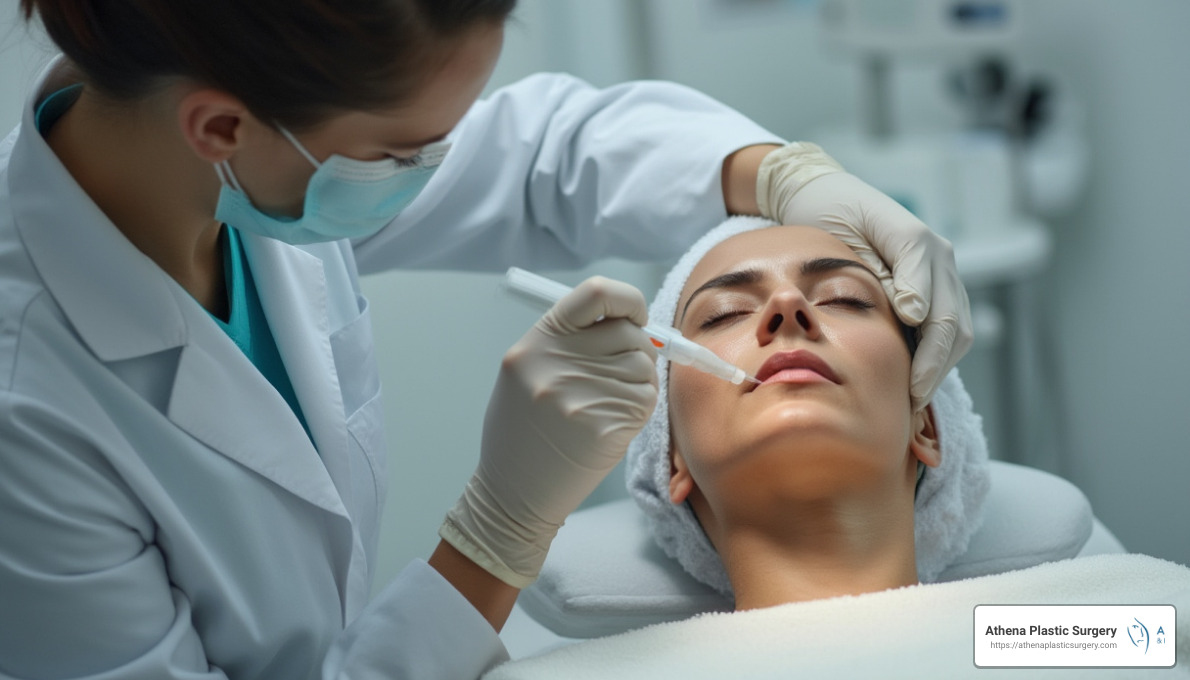
Chemical peels can be a transformative treatment for acne scars, but selecting the right peel and chemical is crucial. Always consult with a professional to ensure the best results for your skin type and scar severity.
The Procedure and What to Expect
Before the Procedure
Preparation is key for a successful chemical peel for acne scars. It starts with a thorough consultation. During this session, your doctor will review your medical history, including any medications you’ve taken or cosmetic procedures you’ve had. This helps identify any potential risks or contraindications.
Skin preparation is another important step. Your doctor might suggest using a retinoid cream or a bleaching agent like hydroquinone in the weeks leading up to your peel. These products can help improve results and reduce side effects. You’ll also need to avoid sun exposure and certain cosmetic treatments, like waxing or harsh scrubs, to prevent irritation.
During the Procedure
The procedure itself varies depending on the type of peel you choose—light, medium, or deep.
Application: For a light peel, your doctor will apply a solution, often containing glycolic or salicylic acid, using a brush or sponge. Medium peels might involve TCA, applied with a cotton-tipped applicator. Deep peels are more complex and require sedation.
Sensation: You might feel a mild stinging sensation during a light peel, while medium peels can cause more intense stinging and burning. Deep peels will require anesthesia to manage discomfort.
Neutralization: After the solution has been on your skin for the prescribed time, a neutralizing solution is applied or the area is washed to stop the chemical action.
After the Procedure
Post-procedure, the healing process begins. Expect your skin to resemble a sunburn, with redness and scaling. Light peels heal quickly, often within a week. Medium peels might cause swelling and blisters that crust and peel over two weeks. Deep peels require the most recovery time, with healing taking up to three weeks.
Sun protection is crucial during recovery. The skin is particularly sensitive post-peel, and sun exposure can lead to pigmentation issues. Use a high-quality sunscreen and avoid direct sunlight as much as possible.
Aftercare involves moisturizing with a gentle lotion and avoiding harsh skincare products. Follow your doctor’s instructions closely to ensure the best results and minimize risks like infection or scarring.
Chemical peels can dramatically improve the appearance of acne scars, but understanding the process and preparing properly is essential for a smooth experience and optimal results.
Risks and Considerations
Chemical peels for acne scars offer promising results, but they come with potential risks and side effects. Understanding these can help you make an informed decision and prepare for a safe treatment experience.
Side Effects
After a chemical peel, it’s common to experience redness, swelling, and flaking. These effects are similar to a sunburn and typically resolve within a week for light peels, but may last longer for deeper peels.
Persistent Redness: Some people may notice redness that lasts for weeks or even months. This is more common with medium and deep peels.
Temporary Pigmentation Changes: You might experience temporary darkening or lightening of the skin. This is usually due to sun exposure post-treatment or not adhering to aftercare instructions.
Skin Color Changes
A risk of chemical peels, especially for those with darker skin tones, is hyperpigmentation or hypopigmentation.
Hyperpigmentation: This is when the skin becomes darker. It can occur if the skin is exposed to the sun during the healing process.
Hypopigmentation: This is when the skin loses color. It’s less common but can be a concern with deeper peels.
Certain factors, such as a family history of pigmentation issues or hormonal changes, can increase the risk of these skin color changes. It’s crucial to follow your dermatologist’s advice on sun protection and skincare after your peel.
Infection Risk
Although rare, there’s a small risk of infection after a chemical peel. This can happen if the skin is not properly cared for during the healing process.
Signs of Infection: Look out for unusual redness, swelling, pus, or increased pain. If you notice these symptoms, contact your dermatologist immediately.
Preventive Measures: Following aftercare instructions diligently, such as keeping the skin clean and avoiding picking or scratching, can significantly reduce the risk of infection.
In some cases, especially with deep peels, antiviral medication may be prescribed to prevent the reactivation of cold sores or herpes.
Understanding these risks and considerations can help you weigh the benefits of chemical peels against potential side effects. Always consult with a qualified dermatologist to ensure the treatment is suitable for your skin type and condition.

By being aware of these factors, you can better prepare for your chemical peel journey and achieve smoother, clearer skin.
Frequently Asked Questions about Chemical Peels
Can a chemical peel remove acne scars completely?
Chemical peels can significantly improve the appearance of acne scars, but they may not remove them completely. The effectiveness depends on factors like the type and depth of the scars and the peel used. Atrophic scars, which are indented, often respond well to chemical peels, especially when combined with other treatments. However, hypertrophic or raised scars might not see as much improvement with peels alone. For best results, a dermatologist might recommend a series of peels or combine them with other treatments like laser therapy.
How often should I get a chemical peel for acne scars?
The frequency of chemical peels varies based on the type of peel and your skin’s response. Light peels can be done every two to five weeks, while medium peels might require a gap of three to nine months between sessions. Deep peels are usually a one-time treatment due to their intensity and longer recovery time. A typical regimen for acne scars might involve three to six sessions, spaced out according to the dermatologist’s advice and your skin’s healing process. Consulting with a skincare specialist is crucial to tailor the treatment plan to your specific needs.
Are chemical peels safe for all skin types?
Chemical peels can be safe for most skin types, but caution is necessary for individuals with darker skin tones. There is a higher risk of pigmentation changes, such as hyperpigmentation or hypopigmentation, especially with medium and deep peels. For those with darker skin, dermatologists often recommend milder peels like glycolic or lactic acid to minimize these risks. Always consult with a board-certified dermatologist to assess your skin type and determine the safest and most effective treatment plan.
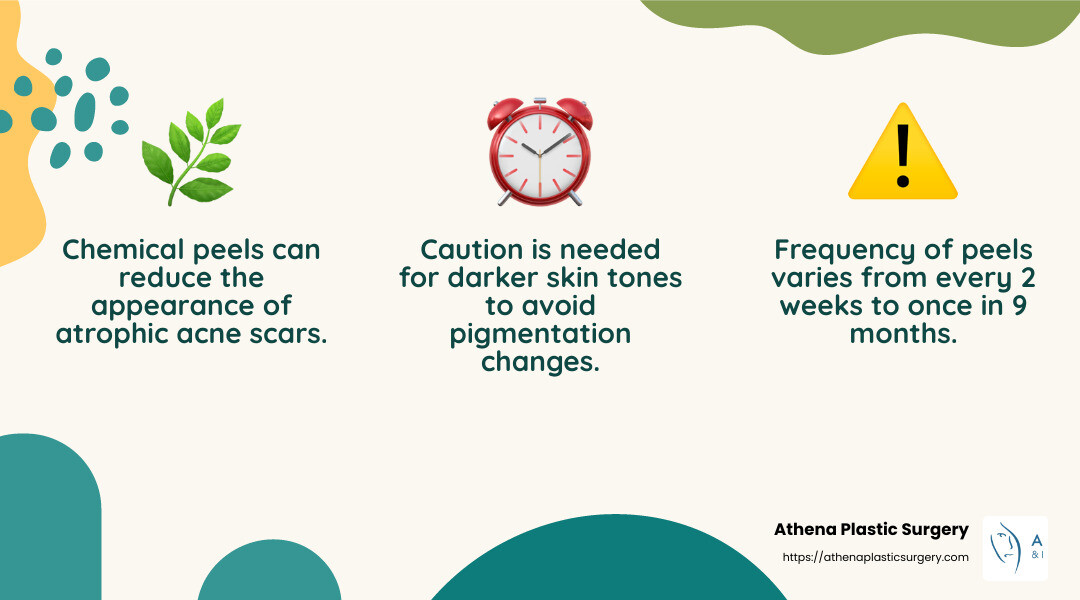
By understanding these FAQs, you can make informed decisions about using chemical peels to address acne scars and work towards achieving smoother, clearer skin.
Conclusion
At Athena Plastic Surgery, we believe in the transformative power of chemical peels for acne scars. Led by the esteemed Dr. Avron, who trained at Johns Hopkins, our practice is dedicated to providing top-notch care with a focus on aesthetic excellence. We understand that acne scars can be a source of stress and self-consciousness, and we are here to help you achieve the smoother, clearer skin you desire.
With our expertise, we tailor each treatment to the individual, ensuring that the approach is not only effective but also safe for your unique skin type. Whether you’re dealing with atrophic scars or seeking to improve overall skin texture, our team is equipped to guide you through the process with compassion and care.
Our commitment to excellence means that we don’t just stop at treating the surface. We strive to improve your overall well-being and confidence. With careful consultation and personalized treatment plans, we aim to deliver results that align with your aesthetic goals.
Ready to take the next step towards refreshd skin? Find more about our skin care services and schedule a consultation with us. Let us help you transform your skin and boost your confidence with the expertise and care you deserve.
At Athena Plastic Surgery, your journey to aesthetic excellence begins here.