


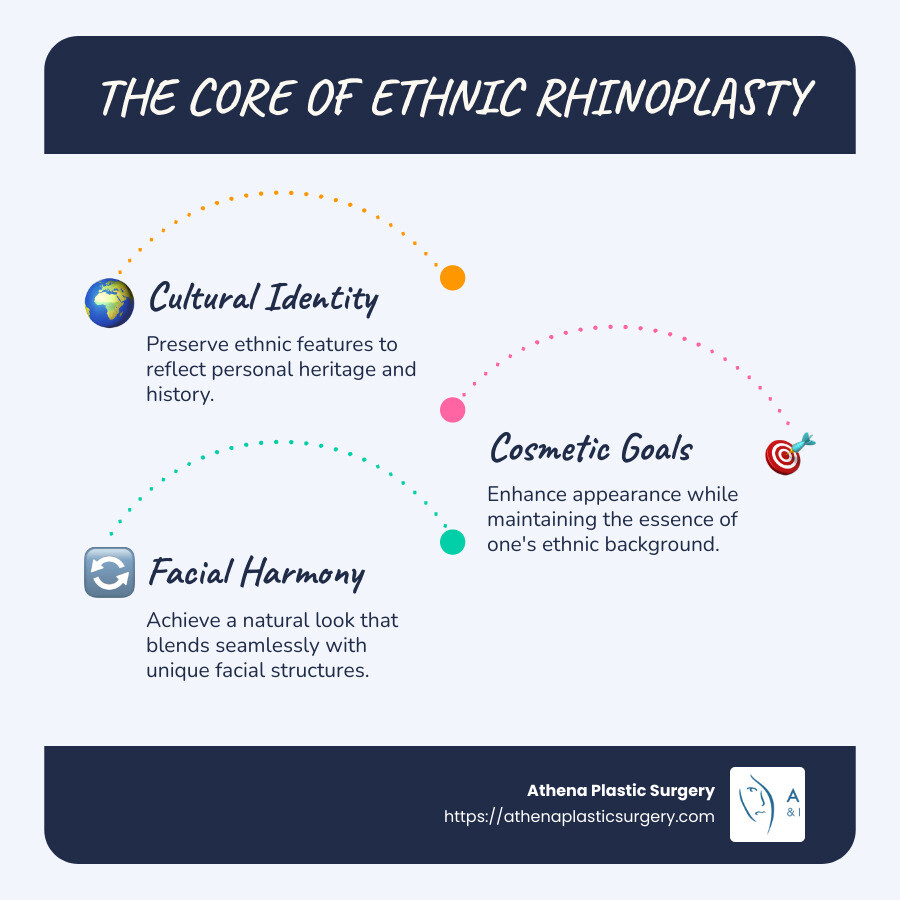
Ethnic rhinoplasty is an empowering journey for those looking to improve their facial aesthetics while maintaining their rich cultural heritage. The core of this process is about striking the right balance. It’s about blending cosmetic goals with a deep respect for cultural identity, ensuring that changes harmonize with the unique features of every face. For many, a nose procedure is not just about looking different but about achieving facial harmony — a look that feels natural and true to one’s origins.
- Cultural Identity: Preserving ethnic characteristics is a priority, ensuring that personal heritage and history remain reflected in the face.
- Cosmetic Goals: While achieving desired changes, the focus is on enhancing appearance without losing essence.
- Facial Harmony: The surgery is custom to fit seamlessly with the individual’s unique facial structure, providing a harmonious look.
As Avron Lipschitz MD, a board-certified plastic surgeon with over 15 years of experience in cosmetic and ethnic rhinoplasty, I bring a deep understanding of blending aesthetics with heritage. My work extends beyond technical precision to encompass a compassionate approach, ensuring my patients feel confident in their transformed selves.
Ethnic rhinoplasty vocab explained:
– average cost of rhinoplasty
– men’s rhinoplasty before and after
– rhinoplasty
Understanding Ethnic Rhinoplasty
Ethnic rhinoplasty is a specialized form of nose surgery that respects and preserves cultural identity while enhancing facial aesthetics. Unlike traditional rhinoplasty, which often follows a one-size-fits-all approach, ethnic rhinoplasty considers the distinct features and structures inherent to different ethnic backgrounds.
Ethnic Features
Every ethnic group has unique nasal characteristics. For instance, African-American noses might have a wider base and less defined bridge, while Asian noses often feature a flatter profile with a less prominent tip. Hispanic and Middle Eastern noses can vary greatly but sometimes share traits like a pronounced bridge or a bulbous tip.

Understanding these nuances is crucial for achieving a natural and harmonious result. It’s not just about changing the nose but enhancing it in a way that complements the individual’s overall facial features.
Surgical Techniques
The techniques used in ethnic rhinoplasty are as varied as the noses themselves. Surgeons may employ cartilage grafting to provide additional support or reshape certain areas. For example, cartilage from the septum, ear, or even rib can be used to build up the nasal bridge or refine the tip.
Dr. Dutton, a renowned expert in ethnic rhinoplasty, often uses external incisions in Asian rhinoplasty. He expertly conceals these incisions to maintain a natural appearance. The choice of technique depends on the patient’s unique features and desired outcomes.
Cultural Preservation
Preserving cultural identity is at the heart of ethnic rhinoplasty. The goal is not to erase ethnic traits but to refine them in a way that improves the patient’s natural beauty. Patients often express a desire to look like themselves, only better.
Dr. Anil Shah, featured in the Chicago Defender for his work on “ethnically responsible rhinoplasty,” emphasizes maintaining the patient’s recognizable features. This approach ensures that the surgery respects the patient’s heritage while achieving their aesthetic goals.
Ethnic rhinoplasty is about celebrating diversity and individuality. It’s a delicate balance between art and science, requiring a deep understanding of both anatomy and cultural significance. This ensures that each patient leaves with a result that feels authentic and empowering.
Types of Ethnic Rhinoplasty
Ethnic rhinoplasty is a custom approach to nose surgery, designed to improve the unique features of different ethnic groups. Let’s explore the distinct types of ethnic rhinoplasty, each crafted to maintain cultural identity while achieving aesthetic goals.
African-American Rhinoplasty
African-American rhinoplasty focuses on refining the nose while preserving its natural characteristics. Common features include a broader nasal base and a less defined bridge.
Goals: Patients often seek a more refined nasal tip and narrower nostrils without losing their inherent facial harmony.
Techniques: Surgeons typically use cartilage grafting to improve projection and definition. This helps create an optical illusion of a more balanced nose without drastically altering the skin’s thickness.

Asian Rhinoplasty
Asian rhinoplasty often involves enhancing the nose’s profile to achieve a more defined look. Many individuals of Asian descent have a flatter nasal bridge and shorter nasal bones.
Goals: A more pronounced bridge and a refined tip are common requests.
Techniques: Cartilage grafts, often from the septum or ear, are used to create a longer bridge and improve the tip. This approach ensures a natural slope from the forehead to the tip, avoiding a flat appearance.
Hispanic Rhinoplasty
Hispanic rhinoplasty must accommodate a wide range of nasal features due to the diverse backgrounds within this group.
Goals: Patients may seek to refine a bulbous tip, narrow a wide bridge, or address thick skin.
Techniques: Surgeons balance augmentation and projection techniques to harmonize the nose with the rest of the facial features. This often involves building up under-projected areas to achieve a more proportional look.
Middle Eastern Rhinoplasty
Middle Eastern noses often feature a prominent bridge and a drooping or bulbous tip. This type of rhinoplasty aims to refine these features while respecting cultural identity.
Goals: Smoothing a pronounced hump, reshaping the tip, and improving overall symmetry are typical objectives.
Techniques: A combination of augmentation and conservative reduction is used. Care is taken to avoid excessive reduction, which could lead to structural collapse and breathing difficulties.
Each type of ethnic rhinoplasty requires a thoughtful approach. Surgeons must understand the unique anatomy and cultural significance of each nose to achieve results that are both beautiful and respectful of the patient’s heritage.
The Ethnic Rhinoplasty Procedure
When it comes to ethnic rhinoplasty, the procedure is all about balancing aesthetics with heritage. It involves various techniques custom to suit the unique features of each ethnic group while preserving their cultural identity.
Nose Reshaping
At the heart of ethnic rhinoplasty is nose reshaping. This is the process of altering the nose’s structure to improve its appearance and function. Whether it’s refining the nasal tip, smoothing out a hump, or adjusting the bridge, the goal is to achieve a harmonious look that complements the patient’s facial features.
Cartilage Grafting
Cartilage grafting is a crucial component of many ethnic rhinoplasty procedures. Surgeons often use cartilage from the patient’s own body, like the septum, ear, or even ribs, to improve the nose’s structure.
Why Use Cartilage Grafts? They provide support and shape to areas that need more definition or projection. For example, in Asian rhinoplasty, cartilage grafts can create a more pronounced nasal bridge.
Benefits: Using the patient’s own tissue minimizes the risk of rejection and ensures a more natural look and feel.
Surgical Techniques
Different ethnicities require different surgical techniques to achieve the desired results. Here’s a quick overview:
Open Rhinoplasty: This technique involves a small incision at the base of the nose, allowing the surgeon to access the nasal structure more easily. It’s often used in complex cases where significant reshaping is needed.
Closed Rhinoplasty: Here, incisions are made inside the nostrils. This technique results in no visible scarring and is ideal for minor adjustments.
Augmentation vs. Reduction: Depending on the patient’s needs, the surgeon may add tissue (augmentation) or remove it (reduction). For example, African-American and Asian patients often require augmentation to improve the bridge or tip, while Middle Eastern patients might benefit from reducing a prominent hump.
Each of these techniques is chosen based on the patient’s unique anatomy and goals. The surgeon’s expertise in ethnic rhinoplasty ensures that the results are both aesthetically pleasing and respectful of the patient’s cultural heritage.
In the next section, we’ll explore the healing and recovery process, including what to expect post-surgery and tips for a smooth recovery.
Healing and Recovery
The healing process after ethnic rhinoplasty is crucial for achieving the desired results. Understanding what to expect can help make the recovery smoother and less stressful.
Bruising and Swelling
Bruising and swelling are normal parts of the recovery process. Expect noticeable swelling in the first few days, which will gradually decrease over time. Bruising, particularly around the eyes, is also common but usually subsides within two weeks.
Managing Swelling: Keep your head lifted, even while sleeping. This helps reduce swelling faster. Cold compresses can also be applied in the initial days to soothe the area.
Bruising Tips: Avoiding aspirin and ibuprofen can help minimize bruising, as these medications can increase bleeding.
Recovery Time
The timeline for recovery varies, but most people start feeling better within a week or two. However, full recovery takes longer.
First Week: Expect to have splints inside and outside your nose for support. These are usually removed after about a week, along with any external sutures.
2-4 Weeks: Most of the visible swelling and bruising will have subsided, and patients can usually return to normal activities, though strenuous activities should still be avoided.
3-6 Months: Noticeable changes in the nose shape occur as it continues to refine.
12 Months: The final shape is typically achieved, as all swelling should have resolved by this time.
Tips for a Smooth Recovery
Stay Hydrated: Drink plenty of water to help your body heal.
Light Activity: Short walks can promote circulation without putting stress on your healing nose.
Avoid Blowing Your Nose: This can disrupt the healing process. If you need to sneeze, do so with your mouth open to reduce pressure on your nose.
Follow-Up Appointments: Regular check-ups with your surgeon ensure you’re healing properly and help address any concerns.
By following these guidelines and your surgeon’s instructions, you’ll be on the path to a successful recovery. Patience is key, as the full results of your ethnic rhinoplasty will take time to manifest.
In the next section, we’ll address frequently asked questions about ethnic rhinoplasty, including costs, healing time, and the best countries for the procedure.
Frequently Asked Questions about Ethnic Rhinoplasty
Which country is best for ethnic rhinoplasty?
When considering ethnic rhinoplasty, some countries stand out due to their expertise and reputation in this specialized field. Turkey, South Korea, and Iran are often highlighted as top destinations for this procedure.
Turkey: Known for its skilled surgeons and advanced medical facilities, Turkey has become a hub for rhinoplasty. The country offers a blend of affordability and quality, attracting patients worldwide.
South Korea: Famous for its cosmetic surgery industry, South Korea excels in procedures that focus on facial aesthetics and harmony. South Korean surgeons are highly experienced in techniques that preserve ethnic features.
Iran: With a rich history in rhinoplasty, Iran is renowned for its expertise in nose surgeries. Iranian surgeons are particularly skilled in handling Middle Eastern noses, making it a preferred choice for individuals from this region.
Is ethnic rhinoplasty more expensive?
Ethnic rhinoplasty can be more costly than traditional rhinoplasty due to its complexity. Here’s why:
Complexity: The procedure often requires specialized techniques to maintain the patient’s ethnic identity while achieving the desired aesthetic outcome. This can involve intricate cartilage grafting and reshaping.
Cost Factors: The cost varies based on the surgeon’s expertise, the complexity of the procedure, and the location of the surgery. Advanced techniques and additional procedures, like cartilage grafting, can increase the overall price.
How long does ethnic rhinoplasty take to heal?
Healing from ethnic rhinoplasty is a gradual process, and understanding the timeline can help set expectations.
Bruising and Swelling: Initial bruising and swelling are common, with most of it subsiding within the first two weeks. However, some residual swelling may persist for several months.
Recovery Timeline:
- First Week: Splints and sutures are typically removed, and initial swelling begins to decrease.
- 2-4 Weeks: Most visible bruising and swelling subside, allowing for a return to regular activities, though strenuous activities should still be avoided.
- 3-6 Months: Noticeable changes in the nose shape occur as it continues to refine.
- 12 Months: The final shape is usually achieved, as all swelling should have resolved by this time.
By choosing an experienced surgeon and adhering to post-operative care instructions, patients can ensure a smoother recovery process. Patience is key to seeing the full results of your ethnic rhinoplasty.
In the next section, we’ll conclude with a focus on Athena Plastic Surgery’s commitment to aesthetic excellence and compassionate care. For more information, visit Athena Plastic Surgery.
Conclusion
At Athena Plastic Surgery, we understand that choosing to undergo ethnic rhinoplasty is a deeply personal decision. It’s not just about altering your appearance; it’s about enhancing your natural beauty while honoring your cultural heritage. Our commitment to aesthetic excellence and compassionate care ensures that every patient feels supported and informed throughout their journey.
Aesthetic Excellence
Led by Dr. Avron, a Johns Hopkins-trained surgeon, Athena Plastic Surgery is dedicated to delivering outstanding results. We use advanced techniques custom to each patient’s unique features and goals. Whether it’s reshaping the nose for better symmetry or addressing functional issues like breathing difficulties, our approach combines precision with artistry. Our goal is to create a harmonious balance that improves your overall facial structure.
Compassionate Care
We believe that each patient deserves personalized attention and care. From the initial consultation to post-surgery follow-ups, our team is here to guide you every step of the way. We provide detailed information about what to expect before, during, and after surgery, ensuring you feel confident and comfortable with your decision.
Our patients often express how their experience at Athena Plastic Surgery has positively impacted their lives. One patient shared, “The team made me feel so at ease throughout the process. I love my new nose, and it still feels like me—just better!”
If you’re considering ethnic rhinoplasty, we invite you to explore the transformative possibilities with us. Schedule your consultation today and take the first step toward achieving the confidence and facial harmony you deserve. Learn more about our rhinoplasty services here.
At Athena Plastic Surgery, a new and refreshed you is just a phone call away.




