


How Long Does Eyelid Surgery Recovery Time Actually Take?
Eyelid surgery recovery time typically follows a predictable path for most patients. Here’s a quick overview:
| Milestone | Typical Timeframe |
|---|---|
| Peak swelling and bruising | 48-72 hours after surgery |
| Stitches removed | 5-10 days post-op |
| Comfortable going out in public | 10-14 days |
| Return to work (most patients) | 7-14 days |
| Makeup and contact lenses | 2-3 weeks |
| Strenuous exercise | 3-4 weeks |
| Final results visible | 2-3 months |
So the short answer: most people are through the hardest part within two weeks. Full healing, including the fading of subtle swelling and scars, takes a few months — but you won’t look like you just had surgery for nearly that long.
That said, recovery isn’t one-size-fits-all. Whether you’re having upper eyelid surgery, lower eyelid surgery, or both affects how quickly you bounce back. Your age, skin condition, and how closely you follow post-op instructions all play a role too.
I’m Dr. Avron Lipschitz, MD, a Board-Certified Plastic Surgeon with over 15 years of experience performing advanced cosmetic procedures, including blepharoplasty — and guiding patients through every stage of eyelid surgery recovery time. In this guide, I’ll walk you through exactly what to expect, week by week, so you can plan confidently and heal well.
Understanding the Eyelid Surgery Recovery Time
When we talk about what is blepharoplasty?, we are describing a procedure that removes excess skin, muscle, and sometimes fat from the upper or lower eyelids. Because the skin around your eyes is the thinnest on your entire body, it reacts quickly to surgery. This means you’ll see swelling and bruising almost immediately, but it also means the tissue tends to heal faster than thicker skin elsewhere.
The eyelid surgery recovery time varies significantly depending on the scope of your procedure. At Athena Plastic Surgery, we often perform upper blepharoplasty, lower blepharoplasty, or a combination of both to achieve a complete facial rejuvenation.
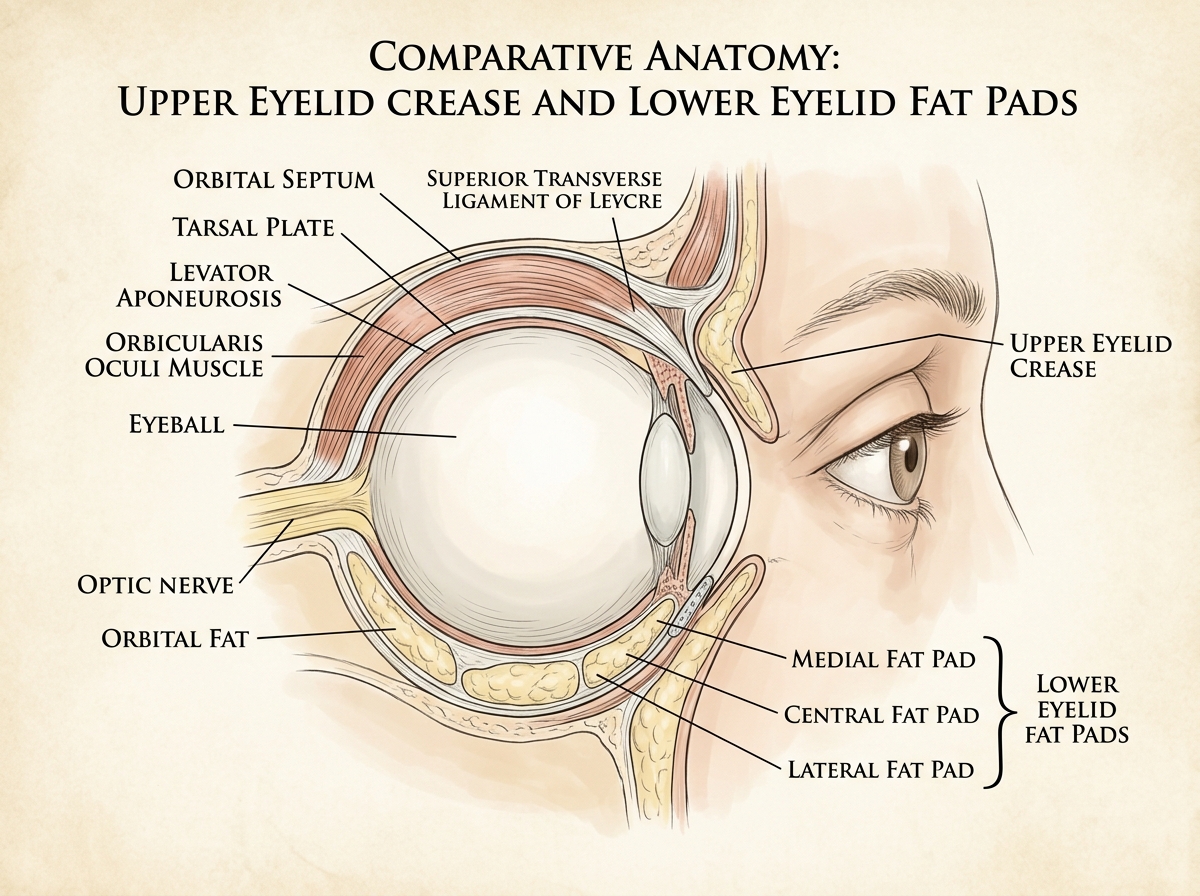
Upper vs. Lower Blepharoplasty Recovery
It is a common observation in our Stuart and West Palm Beach offices that how upper and lower eyelid surgery are different extends into the recovery phase.
- Upper Eyelid Surgery: This is often a quicker recovery. Because the incision is hidden in the natural crease of the lid, the “social downtime” is usually about 7 to 10 days. Many patients feel ready for a Zoom call or a trip to the grocery store within a week.
- Lower Eyelid Surgery: This can be slightly more involved. If we are repositioning fat to eliminate bags or tightening the muscle, the internal tissue needs more time to settle. You might experience more significant swelling or “chemosis” (a jelly-like appearance on the white of the eye) compared to upper lid surgery.
- Combined Surgery: If you opt for both, expect the timeline to lean toward the 14-day mark for feeling “public ready.”
| Recovery Milestone | Upper Blepharoplasty | Lower Blepharoplasty |
|---|---|---|
| Return to sedentary work | 5–7 days | 7–10 days |
| Visible bruising fades | 7–10 days | 10–14 days |
| Residual morning swelling | 2–3 weeks | 4–6 weeks |
Factors Influencing Eyelid Surgery Recovery Time
Every patient heals at their own pace, but several key factors can speed up or slow down your eyelid surgery recovery time:
- Age and Skin Elasticity: Younger patients with high skin elasticity often see swelling resolve faster. However, mature patients often see the most dramatic “refresh” in their appearance, making the slightly longer wait well worth it.
- Surgical Technique: We utilize precise, tension-free closure techniques to minimize trauma. If we use a transconjunctival approach (incision inside the lower lid), there is no external scar, which can sometimes make the external healing look faster.
- Medical History: Conditions like dry eye syndrome or thyroid issues can prolong the “gummy” or irritated feeling in the eyes. It’s vital to review these during your consultation. You can learn more about this in our guide on things to know about eyelid lifts before the procedure.
- Adherence to Aftercare: This is the big one. Patients who diligently use cold compresses and keep their heads elevated almost always heal faster than those who try to “power through” without rest. For more clinical details, you can also refer to the blepharoplasty details and recovery resources provided by major medical institutions.
Long-Term Eyelid Surgery Recovery Time and Final Results
While you will look great at the two-week mark, your eyelid surgery recovery time actually continues for several months.
- Weeks 4-8: This is the “fine-tuning” phase. You might notice that your eyelids look a little puffy first thing in the morning, but the swelling drains as you move around during the day.
- Months 3-6: The internal tissues have fully healed, and the incisions have matured. This is when you truly look years younger with an eyelid lift.
- One Year: The scars, which were initially pink, will have faded to a nearly invisible white line.
One of the best things about this procedure is its longevity. While we continue to age, the results of an upper blepharoplasty can last 7 to 15 years—and for many, a lifetime. Lower blepharoplasty rarely needs to be repeated. By taking the time to improve drooping eyelids with surgery, you are making a long-term investment in your confidence.
The First 14 Days: A Week-by-Week Timeline
The first two weeks are when the most visible changes occur. Understanding this timeline helps reduce anxiety when you look in the mirror on Day 2!
Week 1: The “Hibernation” Phase
- Days 1–3: This is the peak of swelling and bruising. Your eyelids may feel tight, sore, or heavy. Your vision might be a bit blurry due to the lubricating ointment we apply during surgery. This is the time to stay home, binge-watch a podcast (since reading or watching TV might tire your eyes), and keep those cold compresses going.
- Days 4–6: Bruising may turn from purple/blue to yellow/green. The initial tightness starts to subside. You’ll likely feel much better, but don’t overdo it!
- Day 7: For many patients, this is the big day—stitch removal. Once the sutures are out, the “pulling” sensation disappears, and healing accelerates. We often see patients who when to consider blepharoplasty find this to be the turning point where they start to see their “new” eyes.
Week 2: The “Social Ready” Phase
- Days 8–10: Most of the dark bruising has faded. You can usually cover any lingering yellowish tints with a bit of concealer (if cleared by us).
- Days 11–14: You are likely “public ready.” While you might still have some minor swelling, strangers on the street won’t know you had surgery. You’ll just look like you had a very long, restful vacation. For a broader look at the medical standards for this phase, see the Eyelid Surgery Recovery Guide from the ASPS.
Immediate Post-Operative Care
To ensure your eyelid surgery recovery time is as short as possible, we provide a specific post-op kit.
- Ophthalmic Ointment: We will have you apply a topical antibiotic ointment to your incisions several times a day. This keeps the area moist, which prevents thick scabs from forming and helps the scars heal flatter and thinner.
- Cold Compresses: For the first 48 hours, ice is your best friend. Use a clean cloth or sterile gauze soaked in ice water (or a bag of frozen peas wrapped in a towel) for 10–15 minutes every hour you are awake.
- Saline Rinses: If your eyes feel “gummy” or crusty, a gentle saline rinse can help clear the debris without you having to rub the sensitive incision line. This is a key step to eliminate your tired appearance safely.
Managing Side Effects and Incision Care
It is perfectly normal to experience a few side effects during your eyelid surgery recovery time. Here is how to handle them:
- Blurry Vision: This is usually caused by the thick ointment we use to protect your eyes. It typically clears up within a few days as you transition to lighter drops.
- Dry or Watery Eyes: Paradoxically, surgery can make your eyes feel both dry and excessively watery. We recommend preservative-free “artificial tears” to keep the surface of the eye comfortable.
- Light Sensitivity: Your eyes may be sensitive to bright lights or sunlight for a week or two. Keep the shades drawn and wear dark sunglasses if you have to step outside.
- “Gummy” Eyes: Overnight, secretions can build up. Never rub your eyes to clear this. Instead, use a cotton swab dipped in sterile saline to gently dab the area.
Proper care at this stage is essential when correcting puffy eyes and bags. If we performed blepharoplasty to correct tired-looking eyes, protecting the delicate new contours of the lid is our top priority.
Resuming Your Routine: Makeup, Contacts, and Exercise
One of the most frequent questions we get in our South Florida offices is, “When can I go back to the gym?” or “When can I wear my contacts?”
Driving and Daily Chores
You should not drive as long as you are taking prescription pain medication or if your vision is at all blurry. Most patients are back behind the wheel within 5 to 7 days. Light household chores are fine after day 3, but avoid anything that involves bending over at the waist, as this increases blood pressure in the face and can cause “rebound” swelling.
Contact Lenses and Makeup
- Contacts: You must switch to glasses for at least two weeks. Inserting and removing contacts requires pulling on the eyelid skin, which can stress your healing incisions.
- Makeup: Wait at least 10 to 14 days before applying eye makeup. When you do start again, we recommend buying fresh mascara and eyeliner to avoid any risk of bacterial infection.
Exercise and Sports
- Week 1: Only gentle walking around the house to maintain circulation.
- Week 2: Light walking outdoors (with sun protection).
- Week 4: You can usually resume your full gym routine, including heavy lifting and cardio.
- Swimming: Avoid pools, hot tubs, and the ocean for at least 4 weeks to prevent infection and irritation from chlorine or salt.
Determining if you are ready to return to these activities is part of the process of deciding, am I a good candidate for eyelid surgery?. If you have an active lifestyle in Palm Beach Gardens or Stuart, you’ll need to plan for this brief hiatus. Most find that they can benefit from an eyelid lift far more than they mind the temporary break from the gym.
Tips to Speed Up Your Healing Process
While we can’t “cheat” biology, we can certainly give it a helping hand. Here are our top tips for a smooth eyelid surgery recovery time:
- Sleep Elevated: Use two or three pillows to keep your head above your heart for at least the first week. This allows gravity to help drain fluid away from your eyes.
- Hydration and Nutrition: Drink plenty of water and eat a low-sodium diet. Salt causes your body to retain fluid, which will show up immediately as puffiness in your eyelids.
- Sun Protection is Non-Negotiable: UV rays can permanently darken a healing scar. Wear “celebrity-style” dark sunglasses every time you go outside for the first few months.
- Avoid Blood Thinners: Stay away from aspirin, ibuprofen (Advil/Motrin), and certain herbal supplements (like Ginkgo or high-dose Vitamin E) for two weeks after surgery, as these can increase bruising. Stick to acetaminophen (Tylenol) for discomfort.
- No Smoking: Smoking constricts blood vessels and significantly slows down healing. We ask our patients to quit at least a month before and after surgery.
Following these steps ensures you are reaping the benefits of an eyelid lift to the fullest. When you consider the 5 benefits of getting an eyelid lift, from improved vision to a more youthful glow, a few weeks of diligent care is a small price to pay.
Frequently Asked Questions about Eyelid Surgery Recovery Time
How long does swelling and bruising last?
The most intense inflammation peaks between 48 and 72 hours. Most visible bruising resolves within 1 to 3 weeks. However, “micro-swelling” can linger for several months. You might notice your eyes look slightly different from morning to evening as this residual fluid shifts. This is a normal part of how we reduce the effects of aging.
When can I return to work after blepharoplasty?
Most of our patients feel “public ready” and return to work within 10 to 14 days. If you work remotely and don’t mind your colleagues seeing you with some swelling on camera, you could potentially return in 5 to 7 days. If your job involves heavy physical labor, you should wait at least 3 weeks. If you are still wondering when should I consider getting eyelid surgery?, timing it around a two-week vacation is usually the perfect strategy.
What are the signs of complications or infection?
While complications are rare, you should contact us immediately if you experience:
- Severe pain that isn’t relieved by medication.
- Sudden vision loss or significant changes in vision.
- Pus or foul-smelling discharge from the incisions.
- A fever over 101°F.
- Excessive bleeding that doesn’t stop with light pressure.
We take every precaution to ensure your safety when you are seeking an eyelid lift at our practice.
Conclusion
The journey through eyelid surgery recovery time is one of transformation. While the first few days require patience and plenty of ice packs, the result is a refreshed, more alert, and youthful version of yourself. At Athena Plastic Surgery, Dr. Avron and our entire team are dedicated to providing the Stuart and West Palm Beach communities with aesthetic excellence and compassionate care.
We don’t just want you to look better; we want you to feel supported throughout your entire healing process. If you’re ready to say goodbye to tired-looking eyes and hello to a brighter gaze, we invite you to take the next step.
Schedule your consultation for blepharoplasty eyelid surgery today and let us help you get “camera ready” for years to come.




