


Understanding Hypertrophic Scars: A Path to Restored Confidence
Hypertrophic scar treatment offers hope for those dealing with raised, thick scars that cause physical discomfort and emotional distress. Effective options include silicone gels, corticosteroid injections, laser therapy, pressure therapy, and surgical revision, often used in combination for the best results.
Hypertrophic scars are thick, raised scars that stay within the original wound boundaries. Unlike keloids, they may improve over time but can cause itching, pain, and restricted movement. These scars are common after burns, surgery, or deep injuries, affecting up to 91% of burn patients.
The good news is that multiple effective treatments exist, and with proper care, most hypertrophic scars can be significantly improved.
As Dr. Avron Lipschitz, a Board-Certified Plastic Surgeon with over 15 years of experience, I have helped many patients achieve remarkable improvements through advanced hypertrophic scar treatment techniques. My expertise in reconstructive and aesthetic surgery allows me to address both the functional and cosmetic concerns these scars create.
Key terms for hypertrophic scar treatment:
Understanding Hypertrophic Scars: What They Are and Why They Form
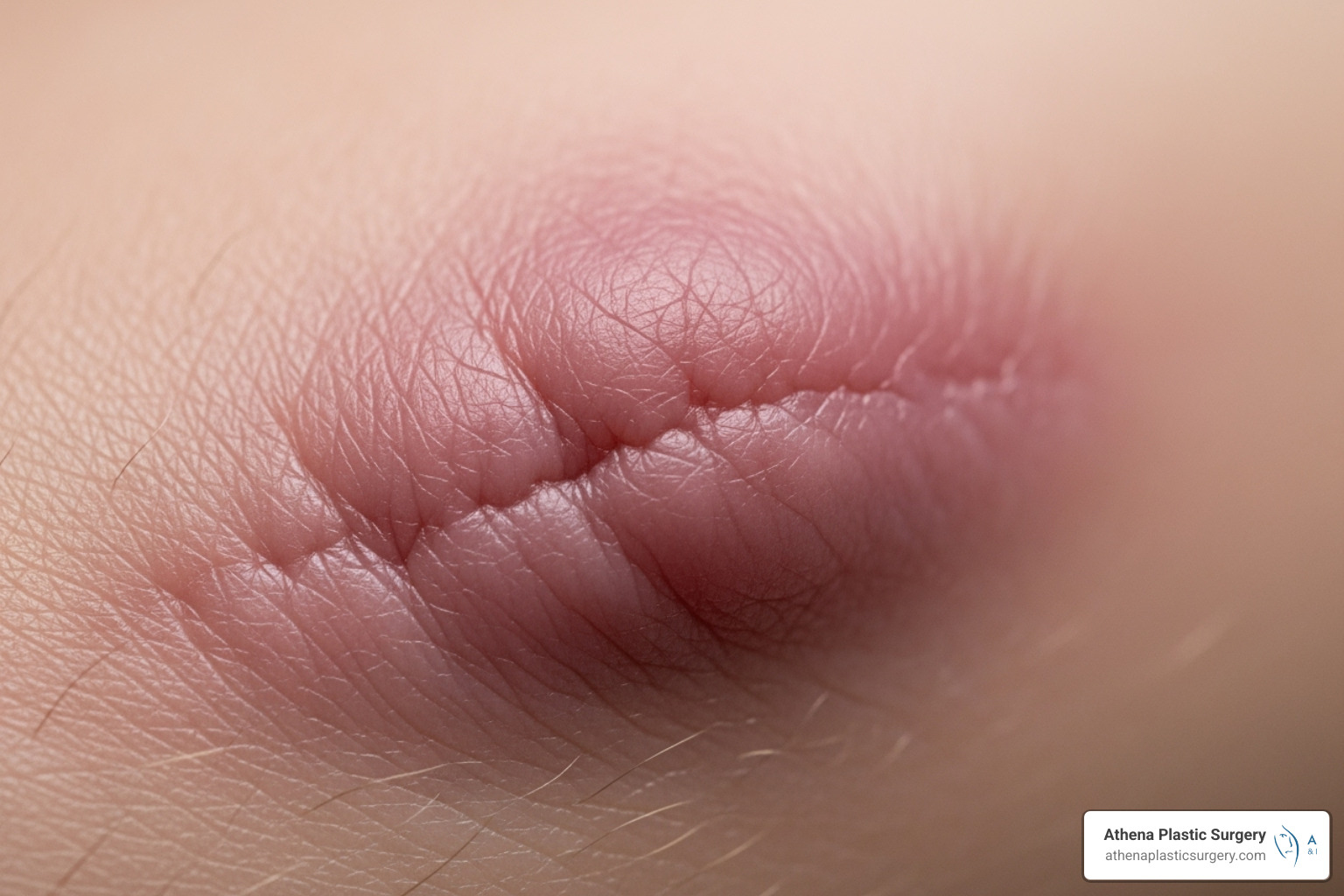
Hypertrophic scars form when the body’s healing process goes into overdrive. To repair a wound, the body produces collagen, but sometimes it creates too much. This excess collagen builds up within the original wound boundaries, forming a raised, firm scar. Factors like prolonged inflammation or tension on the healing skin can trigger this overproduction. While they can cause discomfort or self-consciousness, hypertrophic scars are common and very manageable.
What is a Hypertrophic Scar vs. a Keloid?
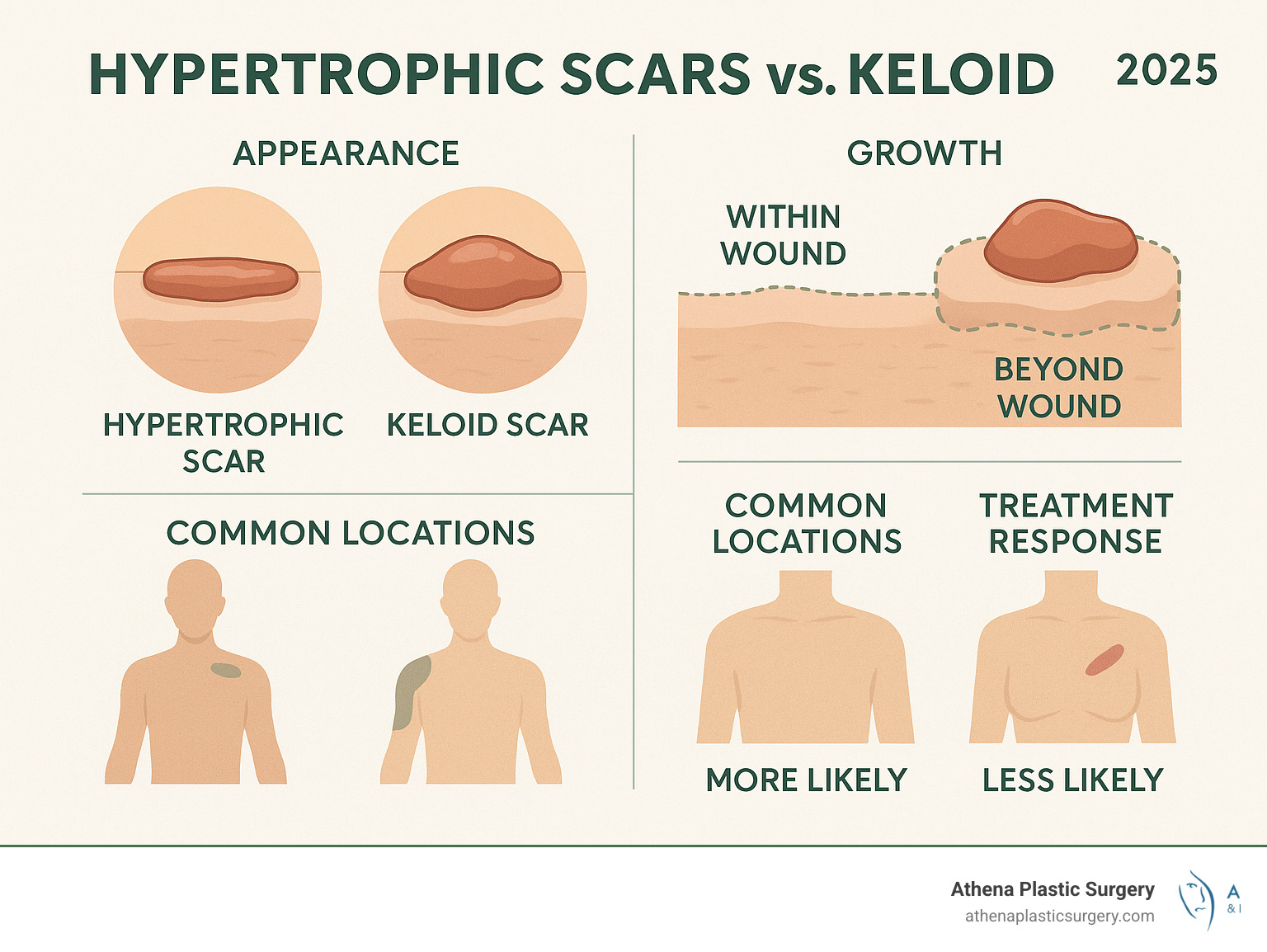
It is common to confuse hypertrophic scars with keloids, as both appear as raised, reddish scars due to excess collagen. However, their growth patterns are different, which is a key factor in determining the best hypertrophic scar treatment plan.
Hypertrophic Scar Definition: A hypertrophic scar is a thick, raised scar that always stays within the original boundaries of the injury. These scars typically appear within a month or two of the injury and may grow for about six months. While they can be red, itchy, or painful, many will naturally flatten and fade over a year or two as the body remodels the collagen.
Keloid Scar Definition: A keloid scar aggressively grows beyond the original wound site, invading the surrounding healthy skin. Keloids are often larger and darker (red to purple) and can continue to grow for years. Unlike hypertrophic scars, keloids rarely shrink on their own and can be difficult to treat.
Understanding this distinction is vital because the treatment approach is quite different for each.
| Feature | Hypertrophic Scar | Keloid Scar |
|---|---|---|
| Appearance | Raised, red, often firm; rarely more than 4mm above skin | Raised, red-purple, firm, shiny, often irregular shape; can be much larger |
| Growth | Stays within original wound boundaries; may grow for ~6 months | Extends beyond original wound boundaries; can continue to grow for years |
| Location | Can occur anywhere, common in areas of skin tension (chest, shoulders, joints) | Can occur anywhere, but more common on chest, shoulders, earlobes, back, face |
| Regression | May become less noticeable or regress over 1-2 years | Rarely regresses spontaneously; persists indefinitely without treatment |
Causes and Risk Factors for Hypertrophic Scars
Certain factors can trigger the overproduction of collagen that leads to hypertrophic scars.
One major factor is prolonged inflammation. If a wound remains inflamed for too long, the body continues to produce excess collagen. Another common cause is excessive skin tension, especially over joints or on the chest and shoulders, where constant movement stresses the healing wound.
The depth of the injury also matters; deeper wounds that damage the dermal layer of skin have a higher risk. Burns, particularly second and third-degree burns, are a major risk factor due to extensive tissue damage and prolonged healing. Surgical incisions also carry a risk, especially if there is tension on the closure. Even minor trauma like body piercings or severe acne can trigger hypertrophic scars if infection or irritation occurs.
Other risk factors include a genetic tendency, age (individuals between 10 and 30 are more prone), and darker skin tones, which have a statistically higher chance of developing both hypertrophic scars and keloids. Understanding these factors helps in creating effective prevention and hypertrophic scar treatment plans. For more medical insights, you can read this academic paper: Update on hypertrophic scar treatment11).
Symptoms and Diagnosis
Diagnosing a hypertrophic scar is usually straightforward based on its distinct characteristics. While not dangerous, the symptoms can affect your confidence and comfort.
Common signs include a scar that is noticeably raised and firm to the touch with a distinct red or pink color from extra blood vessels. Many people experience significant itching (pruritus), and the scar can also be painful or tender. If a scar forms over a joint, its rigid nature can restrict movement. A plastic surgeon or dermatologist can typically diagnose a hypertrophic scar by visual examination. A biopsy is rarely needed unless the scar has unusual features that suggest other skin conditions.
Professional Hypertrophic Scar Treatment Options
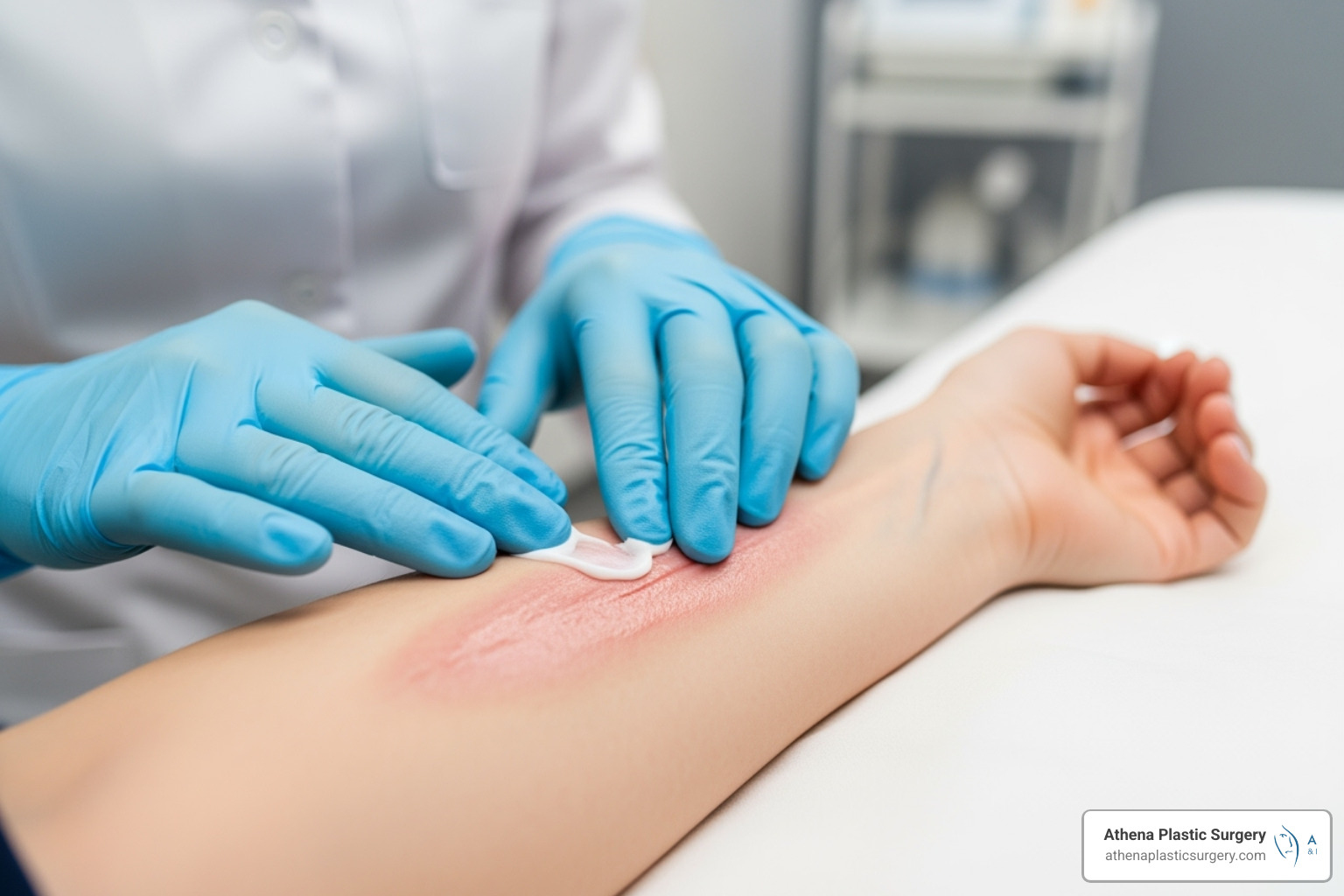
At Athena Plastic Surgery, the best approach for hypertrophic scar treatment often involves a personalized combination of therapies. While a single treatment may work for some, combining methods usually yields superior results. Our goal is to flatten the scar, improve its color and texture, increase flexibility, and relieve symptoms like itching or pain. While complete scar removal is rare, significant improvement is almost always achievable. The first step is a consultation with one of our specialists.
Non-Invasive and Minimally Invasive Therapies
For many hypertrophic scars, especially newer ones, we begin with gentle yet effective non-invasive treatments.
Silicone gel sheets and gels are a first-line therapy, available over the counter. For best results, they should be applied for 12 to 24 hours a day for at least two to three months, starting as soon as the skin has healed. Silicone is believed to work by hydrating the scar, creating a barrier that helps normalize collagen production.
Pressure therapy involves applying steady pressure to the scar using elastic bandages or custom garments. This is particularly helpful for large scars, such as those from burns. The pressure reduces blood flow, which can calm inflammation and slow collagen overproduction. This treatment may require wearing pressure dressings for six to twelve months.
Corticosteroid injections are another excellent first-line hypertrophic scar treatment. A medication like triamcinolone acetonide is injected directly into the scar to break down excess collagen fibers. As powerful anti-inflammatories, these injections also reduce swelling, redness, itching, and pain. The injections are typically administered in our office every four to six weeks for about five sessions. These injections can flatten 50-100% of hypertrophic scars, though potential side effects like skin thinning or lightening will be discussed with you.
To recap, first-line non-invasive treatments include:
- Silicone gel sheets or topical silicone gel
- Pressure garments or dressings
- Intralesional corticosteroid injections
Advanced Hypertrophic Scar Treatment Procedures
For more stubborn scars, we may recommend advanced procedures to achieve a significant difference in the scar’s appearance and feel.
Laser therapy is a versatile tool for hypertrophic scar treatment, effective on both new and older scars.
- The Pulsed-Dye Laser (PDL) targets blood vessels to reduce redness and can also help flatten and soften the scar.
- Fractional Lasers (e.g., CO2, Erbium) create microscopic channels in the skin, triggering a natural healing response that remodels scar tissue. This improves texture, softness, and the efficacy of topical or injected medications. Lasers can make a scar less noticeable by improving its color, texture, and height.
Cryotherapy (cryosurgery) uses liquid nitrogen to freeze and break down scar tissue. This safe method helps flatten and soften hypertrophic scars. Studies show a significant reduction in scar size after just one session. You can learn more here: Successful cryotherapy results in small studies.
Dermabrasion is a procedure that uses a rotating tool to gently remove the top layers of scar tissue. This helps soften the scar’s edges and blend its texture with the surrounding skin. It is often a good choice for larger hypertrophic scars but is not typically recommended for keloids. The skin generally needs 10 to 14 days to heal, with smoother results noticeable after about two months.
Surgical Scar Revision
In some cases, surgical scar revision is the best option, especially if a scar limits movement (contracture) or causes significant distress.
Surgical methods include scar excision (removing the scar tissue) and specialized techniques like Z-plasty and W-plasty. These techniques reshape the scar to reduce skin tension and help it blend more naturally with the skin’s folds.
Surgery might be suggested for contractures or if other treatments have not achieved the desired cosmetic result. However, surgically removing a hypertrophic scar carries a risk of recurrence, which is especially high for keloids. For this reason, we almost always combine surgical revision with other treatments like corticosteroid injections, silicone sheets, or radiation therapy afterward. This comprehensive approach significantly lowers the chance of recurrence and is central to our scar revision surgery expertise.
Emerging and Experimental Therapies
The field of hypertrophic scar treatment is constantly evolving with new experimental therapies for difficult scars.
- 5-Fluorouracil (5-FU) injections: This medication can slow the growth of scar-forming cells and reduce collagen production.
- Bleomycin injections: This is another powerful agent that has shown great results by interfering with scar cell growth. One study noted an 84% scar reduction. More details can be found here: Promising results with Bleomycin.
- Other Therapies: Other options being explored include Interferon therapy to slow collagen production and Botulinum Toxin (Botox) injections to reduce skin tension. Researchers are also investigating mesenchymal stem cell (MSC) therapy and fat grafting to reduce inflammation and prevent excessive scarring.
The future of hypertrophic scar treatment is focused on developing more personalized treatment plans for every patient.
Prevention and At-Home Scar Management
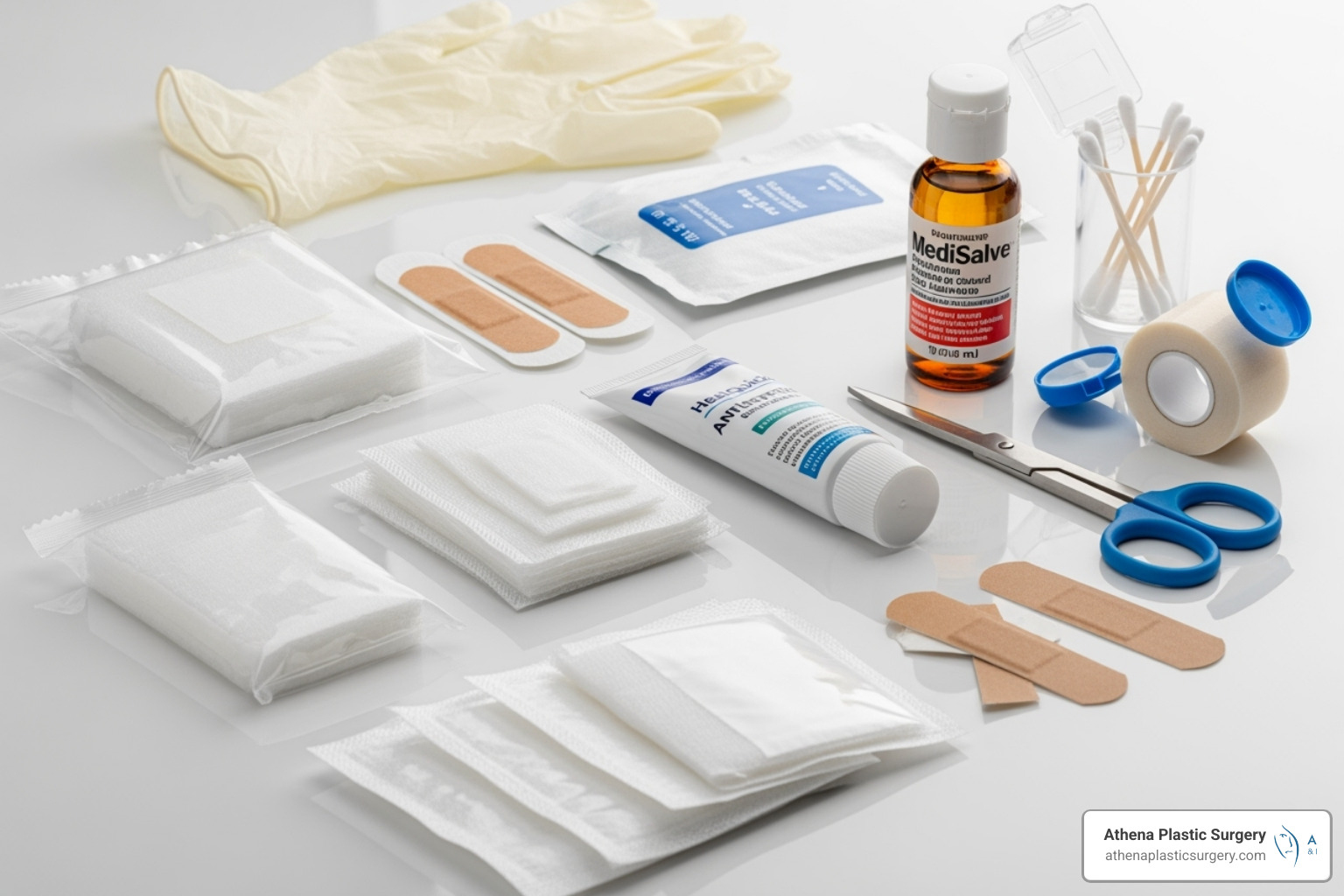
The best hypertrophic scar treatment can be prevention. While not all injuries are avoidable, how a wound is cared for in the first few weeks can make a significant difference in the final appearance of the scar. Proper wound care can guide the body’s natural healing process and reduce the chances of developing a problematic scar.
How to Prevent Hypertrophic Scars After an Injury
For a fresh wound or surgical incision, the initial healing period is critical for preventing a raised scar.
- Proper wound cleaning: Gently clean the wound with mild soap and water as directed by your doctor to prevent infection, a key cause of inflammation that leads to hypertrophic scarring.
- Keeping your wound moist: Wounds heal better in a moist, not wet, environment. Use appropriate dressings to maintain hydration and prevent cells from drying out.
- Applying gentle pressure: Using paper tape or medical tape along an incision can reduce tension on the wound edges. This pressure limits blood flow and decreases inflammatory signals that trigger excess collagen production.
- Sun protection: New scars are highly vulnerable to UV damage, which can cause permanent darkening. Use a broad-spectrum sunscreen with SPF 30 or higher on healing skin, and cover the area with clothing when possible.
- Minimizing tension: Avoid movements that stretch or pull on the healing area. Constant tension signals the body to produce more collagen to reinforce the site, leading to a thicker scar.
Can Home Remedies Help with Hypertrophic Scar Treatment?
For an existing hypertrophic scar, some at-home remedies can be helpful, but it’s important to have realistic expectations.
Over-the-counter silicone sheets and gels are the gold standard for at-home care. They work by hydrating the scar and normalizing collagen production. For results, they must be worn for 12 to 24 hours daily for at least two to three months.
Onion extract gels like Mederma are widely available, but clinical evidence for their effectiveness is disappointing. Studies show they offer minimal improvement in scar height, redness, or itching.
Massaging the scar can be beneficial once the wound is fully healed. Gentle, firm massage helps break down rigid collagen, improve circulation, and make the scar more pliable, which can also reduce pain and itching. Massaging two to three times daily is recommended.
Home remedies work best as part of a comprehensive plan. While they can offer some improvement, significant hypertrophic scar treatment usually requires professional intervention to achieve the best results.
Frequently Asked Questions about Hypertrophic Scars
Here are answers to some of the most common questions patients have about hypertrophic scars and their treatment.
How long does it take to see results from treatments?
Patience is essential for hypertrophic scar treatment, as your body needs time to remodel the scar tissue. The timeline depends on the treatment:
- Silicone sheets/gels: Noticeable changes typically take two to four months of consistent daily use.
- Corticosteroid injections: Scars often become flatter and softer within several weeks to a few months, with injections scheduled every four to six weeks.
- Laser therapy: While redness may improve after a few sessions, full benefits unfold over several months.
- Surgical revision: The final results can take up to a full year to become apparent as the new scar matures.
Your individual healing response, age, genetics, and skin type also influence the timeline. Consistency with your treatment plan is the most important factor for success.
When should I see a doctor for a hypertrophic scar?
While some mild scars improve on their own, you should seek professional evaluation in certain situations:
- The scar causes persistent pain or severe itching.
- The scar restricts your movement, especially if it is over a joint.
- The scar is causing significant emotional distress or affecting your quality of life.
- The scar continues to grow six months or more after the initial injury.
- You want a confirmed diagnosis to distinguish it from a keloid and ensure you get the most effective treatment plan.
Can hypertrophic scars go away on their own?
Unlike keloids, hypertrophic scars can improve on their own over time. Many will naturally flatten and fade over one to two years as the body remodels the scar tissue.
However, this natural improvement is not guaranteed and is often incomplete. The scar may still leave behind noticeable discoloration or texture changes. Professional hypertrophic scar treatment can accelerate the improvement process and often achieves better results than waiting for the scar to resolve on its own. Treatment helps reduce redness, soften texture, and relieve symptoms like itching and pain more effectively.
Reclaim Your Confidence with Professional Scar Care
Hypertrophic scars are raised, often red areas that form within the boundaries of an original wound. While not dangerous, they can impact confidence and even restrict movement. Fortunately, you don’t have to live with them.
Effective hypertrophic scar treatment is available, ranging from silicone sheets and corticosteroid injections to advanced options like laser therapy and surgical revision. The best results often come from a personalized plan that combines different treatments to suit your unique scar.
At Athena Plastic Surgery, led by Johns Hopkins-trained Dr. Avron, we understand the physical and emotional impact of hypertrophic scars. Our approach blends aesthetic excellence with compassionate care, offering expert evaluations and advanced scar revision techniques to help you feel comfortable in your skin again. Our team will support you throughout your hypertrophic scar treatment journey with personalized care.
Don’t let hypertrophic scars hold you back. Taking the first step by scheduling a consultation is key to understanding your options and reclaiming your confidence.
For more details on our scar revision services and to set up your consultation, please visit our website: More info about our scar revision services. We are proud to serve our communities in West Palm Beach and Stuart.




