


Nose bump removal cost might be on your mind if you’re considering a smoother profile without the dorsal hump that can make some feel self-conscious. While the idea of altering something as central as your nose may feel daunting, many find it’s a worthwhile revision to improve facial harmony. Here’s a quick breakdown:
- Average Cost: $4,500 to $5,500
- Factors Affecting Cost: Surgeon’s experience, complexity of the procedure, and geographic location
- Insurance: Generally not covered unless medically necessary
The size and position of a nose bump, also known as a dorsal hump, can affect one’s confidence and overall appearance. Whether due to genetics or injury, many seek removal to achieve a balanced and harmonious look that aligns with their facial features. This common cosmetic procedure isn’t just about aesthetics—it’s about feeling comfortable in your skin.
My name is Avron Lipschitz, MD, and with over 15 years of expertise in aesthetic procedures, I can guide you through understanding how nose bump removal cost plays a role in achieving your desired look. By leveraging my experience in advanced surgical techniques, I help patients improve their natural beauty with safe and effective solutions.

Similar topics to nose bump removal cost:
– bump after rhinoplasty
– rhinoplasty
– upturned nose rhinoplasty
What is a Dorsal Hump?
A dorsal hump is a bump that appears on the bridge of the nose. It’s mainly visible from the side or profile view. This bump consists of both bone and cartilage. For many, it can be a source of self-consciousness because it affects the symmetry and balance of the face.

Causes of Dorsal Humps
Understanding what causes a dorsal hump is essential for those considering removal. Here are the main causes:
Genetics: Most dorsal humps are inherited. If your family members have a noticeable bump on their nose, you might have one too. This genetic trait often becomes more pronounced as you age.
Injury or Trauma: Sometimes, a dorsal hump can form after an injury to the nose. When the bone or cartilage heals unevenly, it can create a bump. This can happen even if the injury didn’t break any bones.
Uneven Healing: After an injury, the nose might heal in a way that creates a hump. This is more common if the injury affected the cartilage or bone structure.
In summary, whether due to genetics or an injury, a dorsal hump is a common feature that many people seek to change. It’s important to have a clear understanding of the causes if you’re considering surgical or non-surgical options for removal.
Surgical Options for Nose Bump Removal
When it comes to removing a nose bump, or dorsal hump, there are two primary surgical options: open rhinoplasty and closed rhinoplasty. Each method has its own benefits and considerations, so understanding these can help you make an informed decision.
Open vs. Closed Rhinoplasty
Open Rhinoplasty involves making an incision across the columella, the strip of skin separating the nostrils. This allows the surgeon to lift the skin and gain a clear view of the nasal structure. The main advantage of open rhinoplasty is precision. Surgeons can make more accurate adjustments to the bone and cartilage, which is particularly beneficial for complex cases.
However, open rhinoplasty is more invasive and often results in a longer recovery time. Swelling and bruising are typically more pronounced, and the final results can take up to a year to fully materialize.
In contrast, Closed Rhinoplasty involves incisions made inside the nostrils. This method leaves no visible scars and generally leads to a quicker recovery. It’s ideal for patients requiring minor adjustments. The downside is that the surgeon has less visibility and access to the nasal structure, which can limit the complexity of changes.
Procedure Details
The surgical methods for nose bump removal focus on reshaping the bone and cartilage to create a straight nasal bridge and improve facial harmony. During the procedure, the surgeon carefully removes or reshapes the bone and cartilage that form the dorsal hump. This is a delicate process, as even small changes can significantly impact the nose’s appearance and function.
A key goal is to achieve a smooth and natural-looking result that complements the patient’s facial features. Surgeons often emphasize the importance of maintaining nasal function while enhancing cosmetic appearance.
Recovery Process
Recovery from rhinoplasty varies, but most patients can expect some swelling and bruising around the eyes and nose. Typically, the initial recovery period lasts about 7-10 days, during which time patients should rest and avoid strenuous activities.
Swelling is a normal part of the healing process, and while it decreases significantly after the first few weeks, minor swelling can persist for several months. To manage swelling, patients are advised to keep their head liftd and avoid direct sunlight.
The final results of rhinoplasty can take up to a year to fully develop, as the nose continues to refine and settle into its new shape. Patience is crucial, as the gradual changes will eventually reveal the desired outcome.
Surgeons often recommend follow-up visits to monitor healing and ensure optimal results. These visits provide an opportunity to address any concerns and discuss further care if needed.
Whether you choose open or closed rhinoplasty, consulting with a skilled surgeon is essential. They can provide personalized advice and help you weigh the pros and cons of each method based on your specific needs and goals.
Non-Surgical Options for Nose Bump Removal
For those hesitant about surgery, non-surgical options offer a temporary solution to smooth out nose bumps. These methods mainly involve the use of dermal fillers, which can camouflage small bumps without the need for invasive procedures.
Benefits and Limitations
Dermal Fillers are injectable substances, like collagen or hyaluronic acid, that can fill in depressions around the nasal bump. This creates the illusion of a straighter, more even nose bridge. The process is quick, often taking less than 10 minutes, and involves little to no downtime, making it an appealing choice for those with busy lifestyles.

Benefits of using dermal fillers include:
- Immediate Results: You can see changes instantly after the procedure.
- No Downtime: Unlike surgery, you can return to normal activities right away.
- Temporary Solution: Ideal for those not ready to commit to permanent changes.
However, there are limitations to consider:
- Temporary Effects: Fillers typically last between six months to two years, requiring regular touch-ups to maintain results.
- Limited to Small Bumps: This method is best suited for minor adjustments. Large dorsal humps may not be effectively camouflaged with fillers alone.
- Supportive Bridge: While fillers can create a supportive bridge, they do not alter the size or structure of the nose.
For those with small dorsal humps, non-surgical options can provide a simple and effective way to achieve a more balanced nose appearance without the commitment of surgery. However, have realistic expectations and understand that these results are not permanent. Regular consultations with a skilled practitioner can ensure you maintain the desired look over time.
Cost of Removing a Nose Bump
When considering nose bump removal, understanding the cost is crucial. The average cost for this procedure typically ranges between $4,500 and $5,500. However, several factors can influence this price.
Factors Influencing Cost
Surgeon’s Experience: A surgeon with extensive experience and a high level of expertise may charge more. Their reputation and success rate can justify higher fees, as they often deliver superior results.
Location: The geographic location of the clinic plays a significant role in determining the cost. For instance, procedures in large metropolitan areas or areas with a high cost of living tend to be more expensive.
Complexity of the Procedure: The complexity of your specific case can also affect the price. If the nose bump involves both bone and cartilage removal, the procedure might be more intricate and costly.
Additional Procedures: Sometimes, patients opt for additional procedures during rhinoplasty to improve overall facial symmetry. These additional surgeries can increase the total cost.
Insurance and Financing Options
Insurance Coverage: Generally, insurance does not cover cosmetic procedures like nose bump removal. However, if the procedure is deemed medically necessary—such as correcting a nasal deformity that impairs breathing—insurance might cover part of the cost. It’s essential to check with your insurance provider to understand what might be covered.
Financing Plans: Many clinics offer financing plans to help manage the financial burden. These plans can break down the cost into manageable monthly payments, making the procedure more accessible. It’s wise to discuss these options with your surgeon’s office to find a plan that suits your budget.
Understanding these factors and options can help you plan financially for your nose bump removal, ensuring that you can achieve your desired results without unexpected expenses.
Frequently Asked Questions about Nose Bump Removal Cost
How much does it cost to remove a nasal hump?
The cost to remove a nasal hump can vary, but on average, it ranges from $4,500 to $5,500. This price can be influenced by several factors, like the surgeon’s experience, the complexity of the procedure, and the clinic’s location. For a more precise estimate, it’s best to consult with a facial plastic surgeon who can assess your unique needs and provide a customized treatment plan.
Can nose bumps be removed without surgery?
Yes, nose bumps can be addressed without surgery using non-surgical methods. One popular option is dermal fillers, which can camouflage small dorsal humps. This procedure involves injecting fillers into the depression above the nose hump to create a straighter nasal bridge. However, these results are temporary and typically last from six months to a couple of years. Non-surgical options are ideal for minor adjustments and those looking for a quick solution without downtime.
How long does recovery take after rhinoplasty?
Recovery after rhinoplasty, a common surgical method for nose bump removal, typically takes 7-10 days for the initial phase. During this time, you might experience swelling and bruising, which gradually subsides. While most visible swelling decreases within the first few weeks, the full healing process can take several months. Final results are usually visible six months to a year post-surgery, once all residual swelling has resolved.
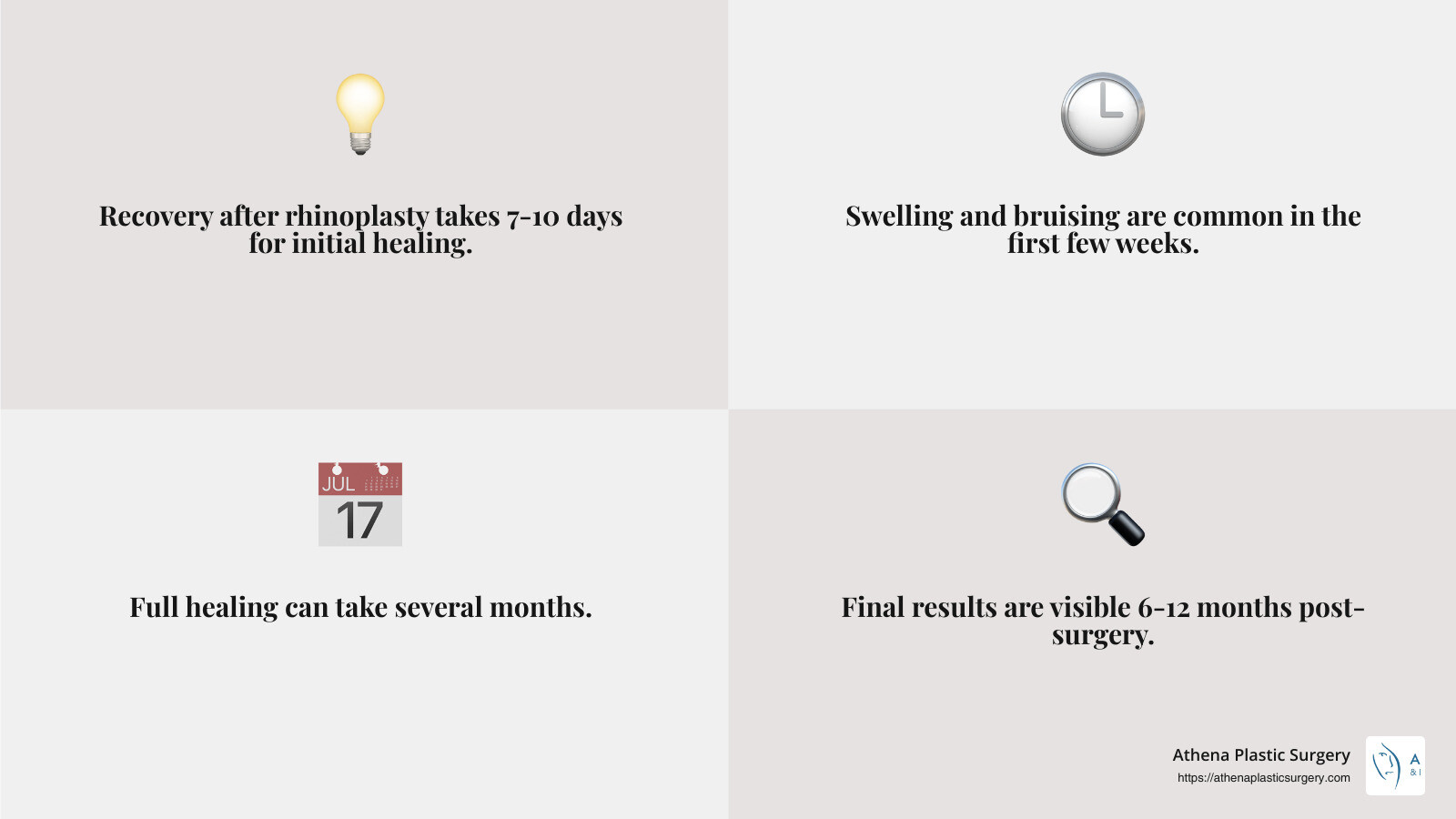
Understanding the recovery timeline helps set realistic expectations and ensures a smoother healing journey.
Conclusion
At Athena Plastic Surgery, we are committed to helping you achieve your aesthetic goals with personalized treatment and a focus on aesthetic excellence. Led by the highly skilled Dr. Avron, a Johns Hopkins-trained expert, our team offers compassionate care custom to meet the unique needs of each patient.
Whether you’re considering surgical or non-surgical options for nose bump removal, our clinic provides a thorough consultation process to understand your desires and concerns. We believe in creating a harmonious balance that complements your natural beauty, enhancing your confidence and facial symmetry.
Dr. Avron and our dedicated team guide you through every step of the journey, from the initial consultation to the recovery phase. Our approach ensures you feel informed, supported, and comfortable throughout your experience with us.
If you’re ready to explore the possibilities of nose bump removal and how it can transform your appearance, we invite you to schedule a consultation with us. Find how Athena Plastic Surgery can help you achieve the facial harmony you deserve with our expert care and cutting-edge techniques.
Learn more about reshaping your nose with rhinoplasty at Athena Plastic Surgery.
Your journey to a new, confident you begins with a simple step—reach out to us today!