


Nose bump surgery is a popular choice for individuals looking to achieve a smoother nasal profile by removing the dorsal hump, commonly known as a nose bump. Whether for cosmetic or functional reasons, treatments vary widely, offering both surgical and non-surgical options. Here’s what you need to know:
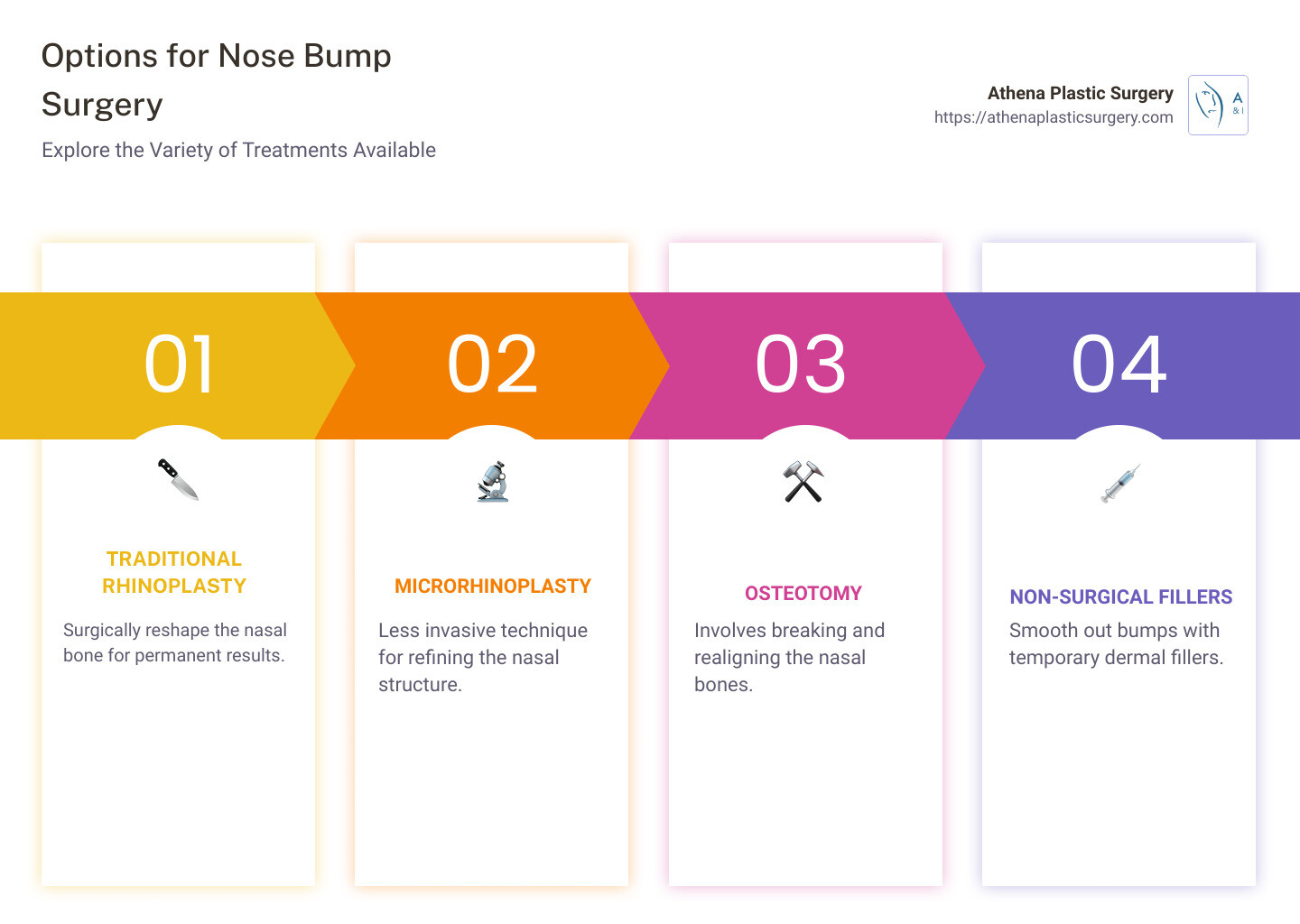
- Surgical Options: Involves traditional rhinoplasty, which may require breaking and reshaping the nasal bone.
- Non-Surgical Options: Use fillers to smooth out the nose without invasive procedures.
- Recovery: Surgical approaches usually demand a longer recovery time, while non-surgical methods allow quicker return to daily life.
As Dr. Avron Lipschitz, I bring over 15 years of expertise in nose bump surgery, focused on delivering outstanding aesthetic results with advanced and safe techniques.
Terms related to nose bump surgery:
– rhinoplasty
– nose bump removal cost
– bump after rhinoplasty
What is Nose Bump Surgery?
Nose bump surgery is a procedure designed to address the dorsal hump, a common feature that can make the nose look uneven from the side. This bump consists of excess bone or cartilage on the nasal bridge. Many people seek to remove or reduce this bump for a smoother nose profile.
Rhinoplasty: The Surgical Route
Rhinoplasty, often referred to as a “nose job,” is the traditional surgical method for removing a dorsal hump. This procedure involves reshaping the bone and cartilage to create a more balanced appearance. Depending on the size of the bump, the surgery might require breaking the nasal bones, a process known as an osteotomy.

- Procedure: Conducted under general anesthesia, rhinoplasty can take several hours. The surgeon makes precise incisions to access the bone and cartilage.
- Recovery: Expect swelling and bruising, which typically subside within a few weeks. Full recovery may take up to a year to reveal the final results.
Non-Surgical Rhinoplasty: A Temporary Solution
For those hesitant about surgery, non-surgical rhinoplasty offers a less invasive option. This involves using dermal fillers to smooth out the nasal contour. It’s a quick procedure with minimal downtime.
- Procedure: Fillers like hyaluronic acid are injected to fill in the areas around the bump, creating an illusion of a straight nose.
- Duration: This is not a permanent fix. Results usually last between six months to a year, requiring repeat treatments to maintain the effect.
Choosing the Right Option
The choice between surgical and non-surgical options depends on several factors:
- Size of the Bump: Larger bumps may require surgical intervention for optimal results.
- Desired Permanence: Surgery offers a permanent solution, while fillers are temporary.
- Recovery Time: Non-surgical options have minimal recovery time, making them appealing for those with busy schedules.

Quick Fact: According to the American Society of Plastic Surgeons, over 200,000 rhinoplasties are performed annually in the U.S., making it one of the most popular cosmetic surgeries.
Understanding these options can help you make an informed decision about which path to take for your nose bump concerns.
Types of Nose Bump Surgery
When it comes to addressing a nose bump, also known as a dorsal hump, there are both surgical and non-surgical options available. Each has its own set of benefits and considerations, so it’s important to understand the differences to make an informed decision.
Surgical Options
Rhinoplasty is the most common surgical method for removing a dorsal hump. This procedure involves reshaping the bone and cartilage of the nose to create a smoother profile.
Osteotomy: This is a technique often used during rhinoplasty for significant humps. It involves breaking and resetting the nasal bones to achieve the desired shape. While effective, it requires general anesthesia and a longer recovery period. Swelling and bruising are common, with full recovery taking several weeks to months.
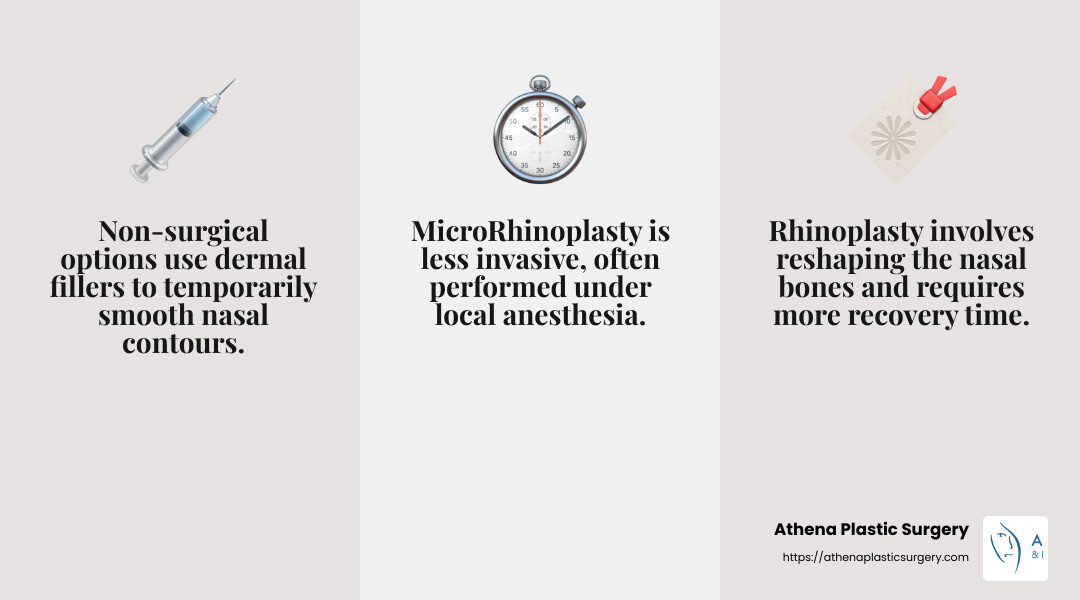
MicroRhinoplasty: A less invasive surgical option, MicroRhinoplasty uses an air-powered microrasp to shave down the hump without breaking the bones. This can often be done under local anesthesia, leading to reduced recovery time. Patients typically resume normal activities within a few days.
Non-Surgical Options
For those seeking a less invasive route, non-surgical rhinoplasty provides an alternative. This method uses dermal fillers to temporarily smooth out the nasal contour.
Procedure: Fillers like hyaluronic acid are injected around the bump to create a straightened appearance. This is a quick, outpatient procedure with minimal discomfort.
Temporary Results: Unlike surgical options, the effects of dermal fillers are not permanent. Results last from six months to a year, requiring maintenance treatments for sustained effect.
Minimal Recovery: Patients can return to their daily activities almost immediately, making this option appealing for those with busy schedules or who are hesitant about surgery.
Choosing the Right Option
Your choice between surgical and non-surgical options will depend on several factors:
- Severity of the Bump: Larger or more pronounced bumps may require surgical intervention for the best results.
- Desired Outcome: Consider whether you want a permanent solution or are comfortable with periodic treatments.
- Recovery Considerations: Evaluate how much recovery time you can accommodate in your schedule.
Understanding these options allows you to weigh the benefits and limitations of each approach, ensuring that you choose the best path for your specific needs and goals.
Costs of Nose Bump Surgery
When considering nose bump surgery, costs can vary significantly based on the type of procedure chosen—whether surgical or non-surgical—and other factors such as location and surgeon expertise.
Average Costs
The average cost of rhinoplasty, which is a common surgical method for removing a dorsal hump, generally ranges from $5,000 to $15,000. This wide range reflects differences in surgeon fees, facility costs, and anesthesia charges.
Surgical Rhinoplasty Costs
Rhinoplasty: As a more comprehensive surgical approach, rhinoplasty is on the higher end of the cost spectrum. This procedure not only addresses the hump but can also refine other aspects of the nose. The involvement of general anesthesia and a longer recovery period contributes to its higher cost.
MicroRhinoplasty: This less invasive surgical option might be slightly less expensive than traditional rhinoplasty. Since it often uses local anesthesia and involves a quicker recovery, it can be a cost-effective choice for suitable candidates.
Non-Surgical Rhinoplasty Costs
Non-surgical options like dermal fillers offer a more budget-friendly alternative for smoothing out a dorsal hump. The cost for non-surgical rhinoplasty typically ranges from $600 to $1,500 per session.
- Dermal Fillers: The price depends on the type and amount of filler used. While more affordable upfront, fillers are not permanent and require repeat sessions every 6 to 12 months to maintain results.
Consultation Fees
Before proceeding with any type of nose bump surgery, a consultation with a specialist is essential. Consultation fees can range from $100 to $500, depending on the surgeon and the complexity of the case. Some clinics might deduct this fee from the total cost if you choose to proceed with the surgery there.
Factors Influencing Cost
Several factors can influence the overall cost of nose bump surgery:
- Surgeon Experience: Highly experienced surgeons may charge more for their expertise.
- Geographic Location: Surgery costs can vary widely based on the location of the practice, with urban centers generally being more expensive.
- Facility Fees: The type of facility where the surgery is performed (hospital vs. private clinic) can affect costs.
Understanding these costs and factors can help you plan financially for your procedure, ensuring that you select the best option that fits both your needs and your budget.
Recovery Process
Surgical Recovery
Recovering from nose bump surgery that involves a surgical approach like rhinoplasty requires careful attention to post-operative care. Initially, you can expect some swelling and bruising around your nose and eyes. This is normal and should gradually subside within a few weeks.
Swelling and Bruising Management:
- Swelling: Keep your head elevated, especially when sleeping, to help reduce swelling. Applying cold compresses can also be beneficial in the early stages.
- Bruising: Bruising is typically most noticeable in the first week but fades over time.
Pain Management:
- Pain is generally mild to moderate. Your surgeon will prescribe pain medications to manage any discomfort. Avoid aspirin or ibuprofen, as they can increase bleeding.
Activity Limitations:
- Avoid strenuous activities and contact sports for at least 4-6 weeks. This helps prevent injury to your healing nose.
Follow-Up Appointments:
- Regular follow-up visits with your surgeon are crucial. These appointments help monitor your recovery progress and address any concerns. Typically, external sutures are removed 4-5 days after surgery, while internal sutures dissolve on their own.
Non-Surgical Recovery
For those opting for non-surgical options like dermal fillers, the recovery process is much quicker and less involved.
Minimal Swelling and Quick Recovery:
- Swelling: There might be minimal swelling, which usually resolves within a few days.
- Recovery Time: Many patients can resume normal activities almost immediately, with only minor restrictions.
Follow-Up Appointments:
- While non-surgical procedures involve less downtime, follow-up appointments are still important to assess the results and plan for any future treatments if needed.
Both surgical and non-surgical recovery paths require adherence to your surgeon’s instructions to ensure optimal results. Understanding these processes can help set expectations and facilitate a smoother recovery journey.
Benefits of Nose Bump Surgery
Nose bump surgery offers a range of benefits, from enhancing facial aesthetics to improving breathing function. Let’s explore these advantages in more detail.
Aesthetic Improvements
One of the primary reasons individuals opt for nose bump surgery is to achieve a more balanced and harmonious facial appearance. By removing or reducing the dorsal hump, the nose can align more naturally with other facial features. This can lead to a smoother, more streamlined profile, significantly enhancing overall facial symmetry.
Functional Improvements
Beyond aesthetics, nose bump surgery can address functional issues that might be affecting your quality of life. A pronounced dorsal hump can sometimes cause nasal blockages, making breathing difficult. By correcting these structural issues, the surgery can facilitate easier breathing and ensure an unobstructed airway. This improvement can be particularly beneficial for those suffering from conditions like sleep apnea, where better airflow can lead to improved sleep quality.
Self-Esteem Boost
The changes brought about by nose bump surgery often extend beyond physical appearance. Many patients experience a significant boost in self-esteem and confidence post-surgery. Feeling more comfortable with how you look can positively impact various aspects of life, from social interactions to professional opportunities.
Breathing Improvements
For those dealing with breathing difficulties, nose bump surgery can be life-changing. By addressing nasal obstructions and improving airflow, patients often report improved respiratory health. This can lead to better sleep, increased energy levels, and an overall improvement in well-being.
Nose bump surgery is a comprehensive solution that addresses both aesthetic desires and functional needs. Whether you’re looking to improve your facial harmony or alleviate breathing difficulties, this procedure offers a pathway to achieving these goals.
Risks and Complications
While nose bump surgery can offer significant benefits, it’s important to be aware of potential risks and complications associated with the procedure. Understanding these will help you make an informed decision.
Infection
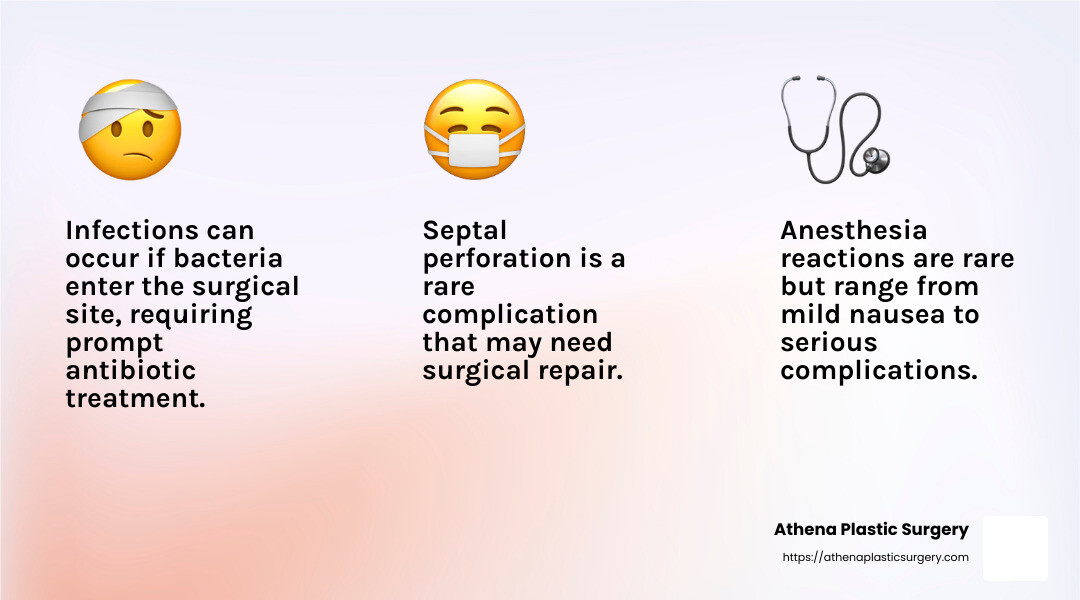
Infections are a risk with any surgical procedure, including rhinoplasty. Although rare, infections can occur if bacteria enter the surgical site. Symptoms may include redness, swelling, and pain. Prompt treatment with antibiotics is often effective, but severe cases might require additional surgical intervention to address the issue.
Anesthesia Reactions
Reactions to anesthesia are uncommon but possible. They can range from mild nausea to more serious complications. An experienced anesthesiologist will closely monitor you during the procedure to manage any adverse reactions swiftly.
Scarring
Scarring is generally minimal in nose bump surgery, especially with closed rhinoplasty techniques where incisions are made inside the nose. However, some patients may experience visible scarring, particularly with open rhinoplasty. Over time, scars typically fade and become less noticeable.
Breathing Difficulties
Paradoxically, while the surgery aims to improve breathing, structural changes can occasionally lead to breathing difficulties if too much nasal tissue is altered. This issue can often be corrected with revision surgery, but it underscores the importance of choosing a skilled surgeon.
Septal Perforation
A septal perforation, or a hole in the nasal septum, is a rare but serious complication. It can lead to issues such as chronic nosebleeds, crusting, and breathing challenges. Surgical repair is often necessary to correct this condition.
Understanding these potential risks and complications is crucial in preparing for nose bump surgery. A thorough consultation with a qualified surgeon will help mitigate these risks and set realistic expectations for the outcome.
Frequently Asked Questions about Nose Bump Surgery
How much does it cost to remove a bump on your nose?
The cost of nose bump surgery can vary widely depending on several factors, including the complexity of the procedure, the surgeon’s expertise, and the location of the clinic. On average, rhinoplasty can range from $5,000 to $15,000. This typically includes the surgeon’s fee, anesthesia costs, and facility fees.
For those considering non-surgical options, such as dermal fillers, the cost is significantly lower, usually between $600 and $1,500 per session. However, fillers are temporary and require repeat treatments to maintain results.
Can I fix a bump in my nose without surgery?
Yes, it is possible to address a small nose bump without surgery using non-surgical rhinoplasty, also known as a “liquid nose job.” This involves injecting dermal fillers to smooth out the nasal profile. This approach is ideal for minor adjustments and offers immediate results with minimal recovery time.
However, it’s important to note that this is not a permanent solution. Fillers typically last between 6 to 18 months, depending on the type used and individual factors. For a long-lasting change, surgical options are recommended.
How painful is dorsal hump removal?
Pain levels after dorsal hump removal can vary from person to person. During the procedure, you won’t feel any pain due to anesthesia. Post-surgery, it’s common to experience some discomfort, swelling, and bruising. Most patients describe the pain as mild to moderate and manageable with prescribed pain medication.
For non-surgical options like dermal fillers, the pain is minimal. Some patients compare it to a slight pinching sensation during the injection. Any discomfort usually subsides quickly, and over-the-counter pain relievers are often sufficient.
It’s crucial to follow your surgeon’s post-operative care instructions to manage pain effectively and ensure a smooth recovery.
Conclusion
At Athena Plastic Surgery, we understand that deciding to undergo nose bump surgery is a significant step toward enhancing your appearance and boosting your confidence. Led by the highly skilled Dr. Avron, a Johns Hopkins-trained surgeon, our team is committed to providing advanced plastic surgery services with a focus on aesthetic excellence and compassionate care.
Whether you reside in the heart of Stuart or the surrounding communities, our clinic offers a welcoming environment where your needs and goals are our top priority. We believe that every patient is unique, and as such, we provide personalized treatment plans custom to your specific desires and anatomical considerations.
Booking a consultation with Dr. Avron is the first step on your journey to achieving the look you desire. During this consultation, you will have the opportunity to discuss your concerns, explore both surgical and non-surgical options, and receive expert advice on the best course of action for your situation.
Our dedicated team is here to support you every step of the way, ensuring you feel informed, comfortable, and confident throughout the entire process. We invite you to learn more about reshaping your nose with rhinoplasty and find how we can help you achieve your aesthetic goals.
Experience the transformative power of expert care at Athena Plastic Surgery, where your journey to a more confident you begins.




