


Why Proper Recovery Is Essential for Plastic Surgery Success
Effective plastic surgery recovery tips are key to achieving your dream results while avoiding complications. Recovery is an active process where your choices directly impact the final outcome.
Essential plastic surgery recovery tips for optimal healing:
- Follow all post-operative instructions to the letter
- Prioritize rest – your body needs energy to heal
- Stay hydrated – drink plenty of water to flush toxins
- Eat nutrient-rich foods – protein, vitamin C, and zinc support healing
- Take prescribed medications on schedule, especially antibiotics
- Keep incisions clean and dry for the first 2-4 weeks
- Use cold compresses to reduce swelling in the first 48 hours
- Walk regularly to prevent blood clots and improve circulation
- Avoid smoking and alcohol – they severely impair healing
- Protect scars from sun exposure to prevent discoloration
As one patient shared, “The most important part of a successful breast augmentation surgery happens after the operation has been completed.” This highlights a crucial truth: your recovery is just as important as the surgery itself.
While recovery involves some discomfort, modern advancements mean significant pain is not expected. The key is being prepared and following strategies that support your body’s natural healing. Bruising may take three weeks or more to fade, while swelling may take as long as a year to fully disappear. Understanding this timeline helps set realistic expectations.
I’m Dr. Avron Lipschitz, a Board-Certified Plastic Surgeon with over 15 years of experience. In my career performing thousands of cosmetic surgeries, I’ve seen how following the right plastic surgery recovery tips dramatically improves healing and final results.

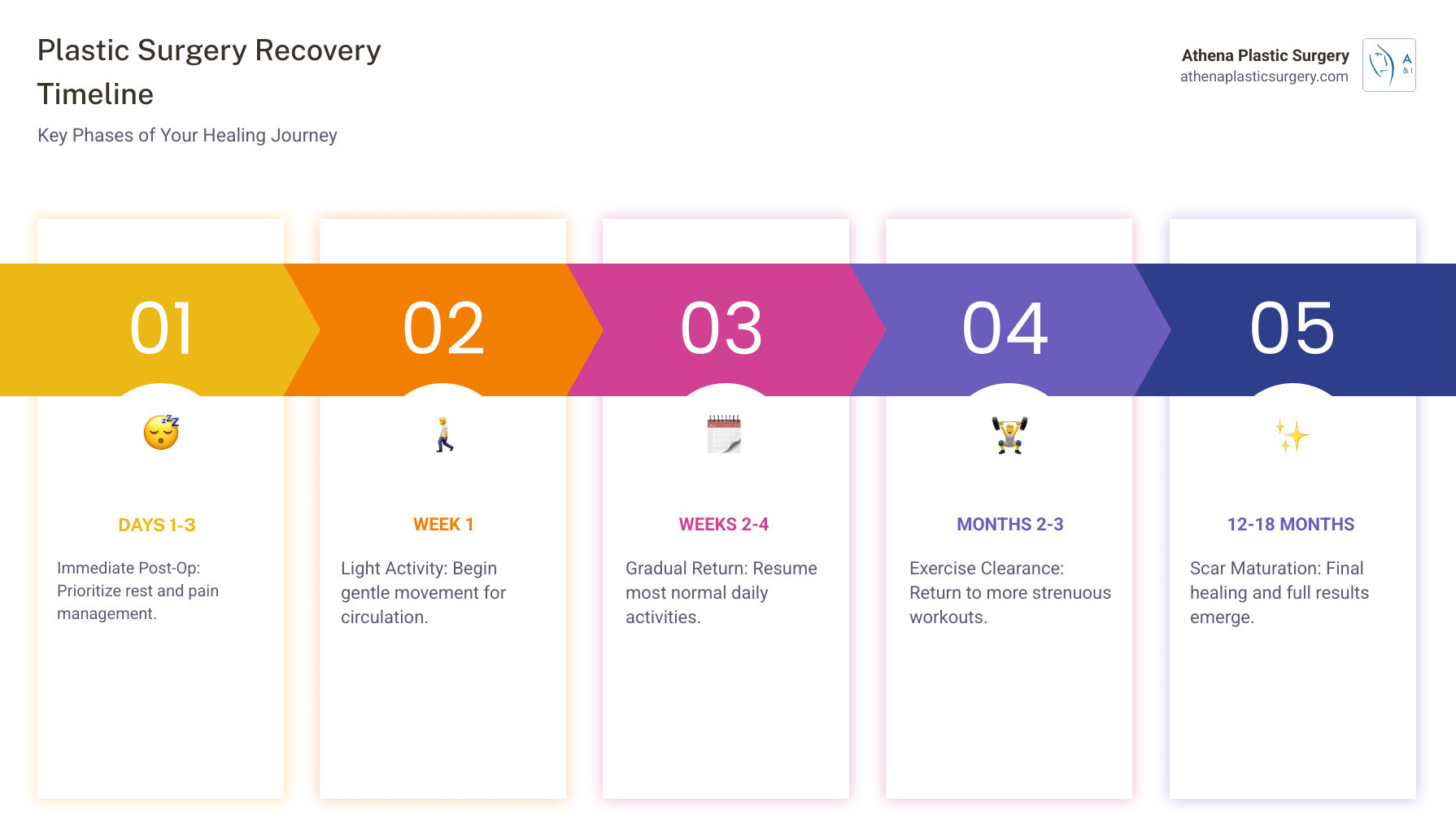
Glossary for plastic surgery recovery tips:
Preparing for a Smooth Recovery: Before Your Surgery
The work you put in before your surgery can make the difference between a smooth healing journey and a bumpy one. Proper preparation is one of the most important plastic surgery recovery tips we share with our patients, as it involves setting up your entire support system for success.
First, arrange for a reliable caregiver for the critical first 48-72 hours. You will need help with medications, meals, and other tasks. “Don’t be a hero!” Accepting help is crucial, as patients who try to go it alone often experience more stress and slower healing.
Mental and emotional preparation is also key. Recovery has normal emotional ups and downs. Knowing this beforehand helps you manage these moments with less panic. Be patient with yourself—your final results are worth the wait.
Your Pre-Surgery Checklist
Create a “recovery nest” with everything you need within arm’s reach. Here’s what to include in your recovery toolkit:
Comfortable pillows are essential for both sleep and propping up surgical areas to reduce swelling, whether it’s supporting your chest after breast surgery or elevating your head after a facelift.
Loose, comfortable clothing is crucial. Think button-down shirts, zip-up tops, and loose pants with elastic waistbands—anything that doesn’t require lifting your arms over your head.
Fill prescriptions before surgery day. Have pain relievers, antibiotics, and any other medications ready. A pill organizer can be a lifesaver when you’re managing multiple medications.
Stock up on easy, healthy foods. Your appetite might be low, so have bland options like crackers and soups. Don’t forget electrolyte drinks. One patient pre-opened all her beverage caps because her arm mobility was limited—small details make a big difference!
Keep a large water bottle nearby to stay hydrated, which helps flush toxins and supports healing. Have entertainment options like books and charged devices to help pass the time.
Get stool softeners or fiber supplements. Pain medications often cause constipation, and this simple step can prevent additional discomfort.
Finally, read all pre-operative materials from our office. The more you know, the less anxious you’ll feel.
Nine tips from a plastic surgeon and patient for a smoother recovery
What to Avoid Before Your Procedure
Just as important as what you should do is what you shouldn’t. Certain substances can interfere with your body’s ability to heal.
Smoking is a major risk. It reduces oxygen in your blood, which is vital for healing, and promotes bruising. We strongly recommend quitting at least two weeks before surgery.
Alcohol also impairs healing, increases bruising, and suppresses your immune system. Avoid it for at least a week before surgery and do not mix it with pain medications afterward.
Blood-thinning medications and supplements must be avoided. This includes Aspirin, ibuprofen (Advil, Motrin), and naproxen (Aleve) for at least a week before surgery. Stick with Tylenol if you need pain relief.
Certain supplements like fish oil, Vitamin E, ginkgo biloba, and garlic also have blood-thinning effects. It’s critical to disclose every medication and supplement you’re taking to your surgeon.
Following these plastic surgery recovery tips before your procedure sets you up for the smoothest possible healing experience.
What to expect after breast augmentation surgery
The First 48-72 Hours: Immediate Post-Op Care
The first few days post-surgery are crucial. Your body is channeling all its energy into healing, and following the right plastic surgery recovery tips now will significantly impact your comfort and final results.

Rest is your full-time job. Your body is doing marathon-level work repairing tissues and managing inflammation. The normal grogginess from anesthesia is your body’s signal to slow down.
Sleep position and elevation are incredibly important. For most procedures, especially on the face or breasts, keeping the treated area liftd above heart level helps reduce swelling. This might mean sleeping in a recliner or using a fortress of pillows in bed. After a facelift, an liftd head helps fluid drain. For breast surgery patients, a slightly upright position is often more comfortable and reduces swelling.
Managing Pain, Swelling, and Bruising
Pain, swelling, and bruising are normal responses to surgery. The good news is that we have excellent ways to manage them.
Properly managing pain is one of the most vital plastic surgery recovery tips. Don’t try to tough it out; stay ahead of the pain. Uncontrolled pain can increase blood pressure, leading to more bruising. Take your medication exactly as prescribed, always with food to prevent nausea. We typically start you on prescription pain medication and encourage switching to Tylenol as you improve.
Cold compresses are your best friend for the first 48 hours. Apply them for 15-20 minutes at a time with a thin cloth between the pack and your skin to prevent frostbite. The cold helps numb the area and reduces swelling.
If we’ve provided compression garments, wear them as directed. They reduce swelling, minimize bruising, and support healing tissues. For procedures like liposuction, they are typically worn 23 hours a day for at least the first week.
You might look worse before you look better. Swelling and bruising are part of the healing process. While some swelling subsides quickly, it can take up to a year to fully resolve. Bruising typically lasts for three weeks or more. This is all normal.
When to Call Your Doctor
While discomfort is expected, certain warning signs need immediate attention. Knowing when to call us is a critical safety tip.
Please contact our office right away if you experience:
- Fever over 101°F (could indicate infection)
- Pain not controlled by your prescribed medication
- Heavy bleeding that soaks through dressings
- Increasing swelling, redness, or warmth around incisions
- Signs of infection like foul-smelling drainage or pus
- Difficulty breathing or shortness of breath
- Inability to urinate for several hours after surgery
- Persistent nausea and vomiting
Don’t hesitate to call. We would much rather reassure you that everything is normal than have you worry. Your peace of mind is part of the healing process.
General post-operative recovery information
Essential Plastic Surgery Recovery Tips for the First Few Weeks
After the first few days, you enter a new healing phase where your body rebuilds and repairs. Your choices during these weeks significantly impact your final results. As you transition from bed rest to light activity, patience is still your best friend.
Following your surgeon’s instructions is crucial, even as you feel better. These guidelines exist for a reason. Your follow-up appointments are our chance to monitor your progress, remove sutures or drains, and ensure everything is healing correctly.

Nutrition and Hydration: Essential plastic surgery recovery tips
What you eat and drink during recovery is as important as any medication. Your body needs the right fuel to repair itself effectively.

Staying hydrated is crucial. Water helps flush out toxins, maintain fluid balance, and keep skin healthy. Aim for at least eight glasses of water daily.
Your body needs extra protein for tissue repair (lean meats, fish, eggs, beans), Vitamin C for collagen formation (citrus fruits, berries, leafy greens), and Zinc for wound healing (nuts, seeds, whole grains).
Pineapple contains bromelain, an enzyme that may help reduce swelling and bruising. Anti-inflammatory foods like turmeric and ginger can also support healing.
On the other hand, avoid high-sodium foods, which cause water retention and more swelling. Sugary drinks and processed foods lack nutrients and can promote inflammation.
Activity and Movement: More plastic surgery recovery tips
While rest is vital, gentle movement is equally important. It’s about finding the balance between doing too much and too little.
Light walking should begin as soon as possible, even just around the house. It improves circulation and helps prevent serious complications like blood clots. When you walk, you help your lymphatic system clear out waste and excess fluid.
However, you must avoid strenuous activities, heavy lifting, or vigorous exercise until cleared by your surgeon. Pushing too hard can cause bleeding, swelling, or damage to the surgical site. For example, core exercises are typically restricted for six weeks after a tummy tuck.
The best plastic surgery recovery tip for activity is to listen to your body. If something causes pain, stop. Gradually increase your activity level as you feel comfortable and as we advise.
5 Tips to Smooth Breast Augmentation Recovery
Incision Care and Lymphatic Massage
Caring for your incisions is straightforward. The key is keeping them clean and dry for the first two to four weeks. Always wash your hands before touching your incisions to prevent infection.
We’ll provide specific showering instructions. Baths, hot tubs, and swimming are off-limits for several weeks to prevent infection.
Lymphatic massage is a specialized technique that can make a remarkable difference in your healing. After procedures like liposuction or tummy tucks, it helps reduce swelling by moving excess fluid. It also improves circulation, which can speed up recovery. We often recommend starting these massages soon after your procedure. Always work with a certified lymphatic therapist who understands post-surgical care.
Post-Procedure Skin Care Instructions for Ablative Resurfacing Treatments
Long-Term Healing: Scar Management and Final Results
Patience is a key part of any plastic surgery journey. While you’ll be eager to see your new look, true healing is a gradual process that unfolds over many months.
Your scars will change over time. Scars take 12 to 18 months to fully mature, so what you see at two weeks is not the final result. Think of it like a Polaroid photo developing—the true image appears over time.
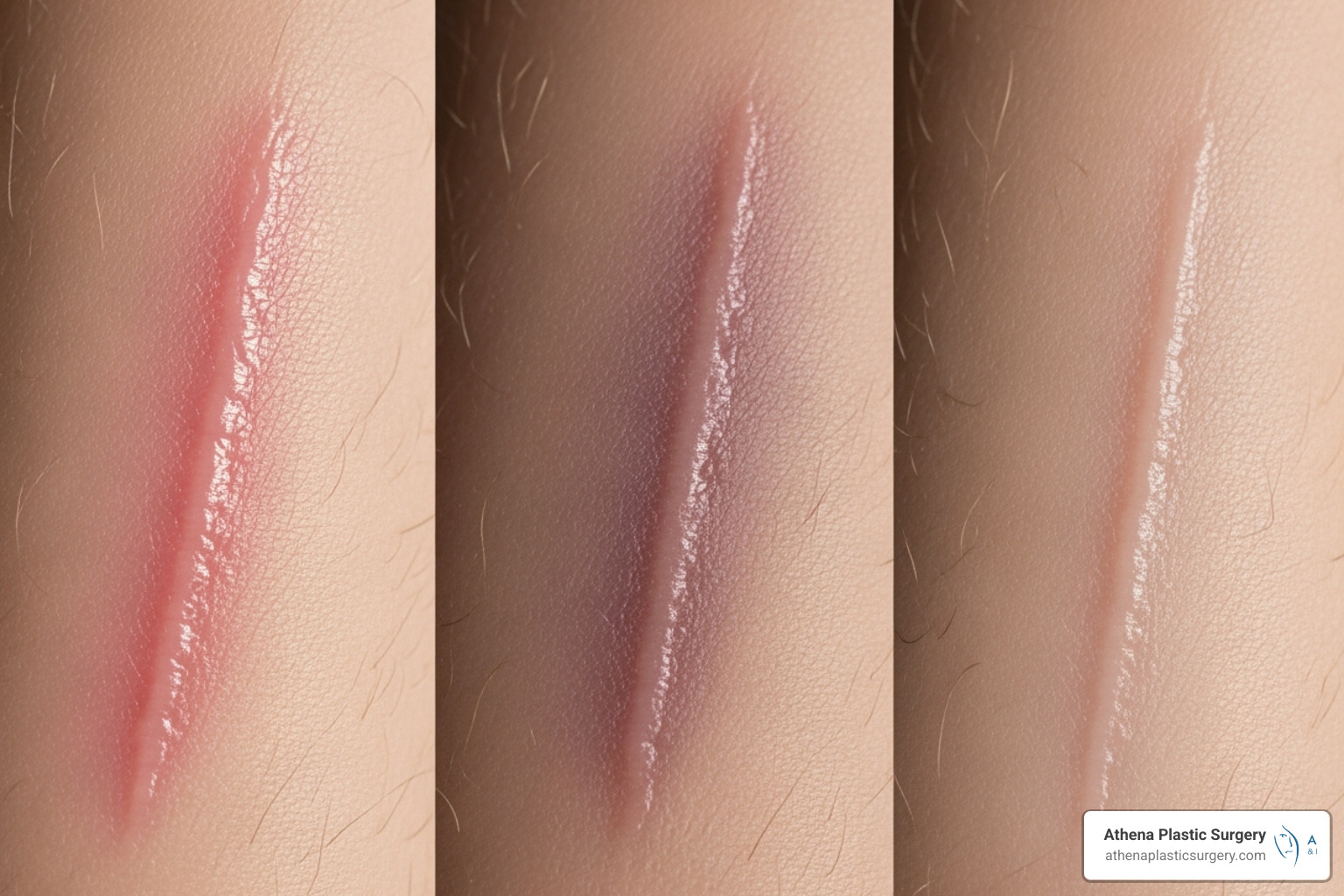
Initially, scars may look pink, red, or slightly raised. This is normal. Over the coming months, they will gradually flatten and fade, eventually becoming thin, white lines.
How to Minimize Scarring
You can actively improve how your scars heal with proven plastic surgery recovery tips.
Silicone sheets or gels are highly effective once incisions are fully closed (usually around two weeks post-op). Medical-grade silicone keeps the tissue hydrated and helps regulate collagen production, creating an ideal healing environment.
Scar massage, once approved by us, helps break down collagen fibers that can form thick scars. We will teach you the proper gentle technique.
Sun protection is absolutely crucial. UV rays can darken scars, making them more noticeable. For at least 12-18 months, protect your scars with SPF 30 or higher, wear protective clothing, or keep them covered outdoors. This single step can make a huge difference in the final appearance of your scar.
Supporting Your Emotional Well-being
The emotional side of recovery is significant. The “post-op blues” are real and normal, and experiencing them doesn’t mean you made the wrong decision.
Emotional fluctuations are normal during recovery. You might feel anxious, frustrated, or sad. These feelings often peak a few days post-surgery but can surface weeks later as your body heals and hormones adjust.
Body image adjustments also take time. It’s natural to feel uncertain when looking in the mirror at swelling and bruising. This is not your final outcome.
Leaning on your support system is essential. Talk to trusted friends or family about how you’re feeling. Voicing your concerns can provide tremendous relief.
Focusing on the final outcome helps maintain perspective. Remind yourself why you chose this journey and trust the process. If feelings of sadness or anxiety persist, please reach out to us or a mental health professional for support.
How to recover emotionally from cosmetic surgery
Frequently Asked Questions about Plastic Surgery Recovery
Over the years, I’ve noticed that patients often have similar concerns about their recovery. Here are answers to the most common questions, along with some plastic surgery recovery tips to ease your mind.
How long does plastic surgery recovery take?
This is the most common question, but the answer varies. Your recovery timeline depends on the procedure, your overall health, your age, and how well you follow post-operative instructions.
Here are some general timelines for returning to light/social activities:
- Rhinoplasty: 1-2 weeks, with final results taking up to a year to refine.
- Breast Augmentation: 1 week, but avoid upper body workouts for about six weeks.
- Tummy Tucks: 2-4 weeks for comfortable movement, with final results in several months.
- Liposuction: 1-2 weeks for basic activities.
- Facelifts: 2-3 weeks, though subtle swelling can persist for months.
- Breast Reductions: 2-3 months for full recovery, though initial relief is often immediate.
Recovery has two phases: the initial return to daily activities, and the long-term phase where all swelling resolves and scars mature, which can take six months to over a year.
What is the hardest plastic surgery to recover from?
Some procedures are more challenging. Body contouring surgeries often have the most demanding recoveries.
Tummy tucks are often considered the most challenging because they involve tightening the abdominal muscles. This makes movements like sitting up or coughing uncomfortable for a few weeks.
Body lifts after massive weight loss are also intensive because they involve multiple surgical sites healing simultaneously, which extends the recovery period.
Combination procedures, like mommy makeovers, can be demanding as you’re dealing with restrictions on both your upper and lower body movements.
Even so, these procedures are manageable with proper preparation and modern pain management.
How can I speed up my recovery after plastic surgery?
You can’t actually speed up healing, but you can certainly optimize it. Think of it as creating the best possible conditions for your body to do its job efficiently.
- Follow all instructions. This is the most important thing you can do. Your post-op instructions are a roadmap to the best outcome.
- Prioritize nutrition and hydration. Feed your body the building blocks it needs to repair itself, like protein and vitamins. Water is essential for flushing toxins.
- Get adequate rest. Your body does its most intensive repair work while you sleep. Rest is productive, not lazy.
- Engage in gentle movement. Short walks get your blood flowing and prevent complications.
- Avoid smoking and alcohol. These substances are like throwing sand in the gears of your healing machine; they impair oxygen delivery and immune function.
There are no magic tricks, but by being a patient partner in your healing, you give yourself the best chance at a smooth, successful recovery.
Conclusion
Your plastic surgery recovery is where the results take shape. We hope these plastic surgery recovery tips provide a confident roadmap for this important chapter.
While every journey is unique, the fundamentals are universal: follow your surgeon’s instructions, prioritize rest and nutrition, manage discomfort, and be emotionally patient. Active participation in your recovery is an investment in your final results.
Healing is a process, not a race. Your body is doing incredible work. Trust that process, even when progress feels slow. The most successful recoveries come from patients who accept the journey rather than rush it.
At Athena Plastic Surgery, led by Johns Hopkins-trained Dr. Avron, we’re committed to supporting you through every step. We provide advanced plastic surgery services with a focus on aesthetic excellence and compassionate care in West Palm Beach and Stuart, FL, along with the guidance you need along the way.
Trust the process, trust your body, and trust your surgical team. We’re here to guide you toward the results you’ve envisioned.
Learn more about your plastic surgery options in West Palm Beach




