

Understanding the Impact of Acne Scars and Your Path to Clearer Skin
Skin care treatments for acne scars range from professional procedures to at-home solutions, each targeting different scar types and severity levels:
Professional Treatments:
- Chemical Peels – Remove damaged skin layers to stimulate new growth
- Laser Resurfacing – Use focused light to rebuild collagen and smooth texture
- Microneedling – Create controlled micro-injuries to trigger healing
- Radiofrequency Microneedling – Combine needling with heat for deeper remodeling
- Dermal Fillers – Instantly lift depressed scars by restoring volume
At-Home Support:
- Retinoids for cell turnover
- Vitamin C serums for brightening
- Sunscreen to prevent darkening
- Niacinamide for skin barrier repair
Acne’s marks can linger. Approximately 80-90% of people who experience acne develop some degree of scarring. These scars form when inflammation damages collagen during healing, leaving textural changes that over-the-counter creams can’t fully address.
The good news: modern, proven treatments can stimulate your skin’s repair, resurface damaged tissue, and rebuild lost volume for a smoother look.

As Avron Lipschitz MD, I’ve spent over 15 years helping patients achieve more confident skin through advanced skin care treatments for acne scars. My focus is personalized plans that match your scar type, skin tone, and goals.

First, Understand Your Scars
Acne scars form when your skin tries to heal after severe inflammation. When a deep pimple clears, the body’s repair process doesn’t always go as planned. The inflammation from that angry breakout may have damaged the collagen and elastin fibers that give your skin its smooth structure. Your body does its best to patch things up, but the result can be either too little tissue (creating depressions) or too much (creating raised bumps).
Here’s something that might surprise you: not every pimple leaves a scar. The ones that do are typically the deeper, more inflamed lesions that penetrate beyond the skin’s surface layer. When inflammation reaches the dermis—the deeper layer of skin—that’s when lasting damage can occur.
We’ve all been tempted to squeeze or pick at a stubborn pimple. (I get it—it’s incredibly hard to resist.) But this is actually one of the biggest culprits behind scarring. When you pick at acne, you’re not just attacking the pimple; you’re pushing bacteria deeper into your skin, ramping up inflammation, and disrupting your skin’s natural healing process. All of this makes scarring significantly more likely.
Your genes also play a role here. If your parents or siblings have acne scars, you’re more likely to develop them too. It’s not fair, but it’s one of those things we inherit along with eye color and whether we can roll our tongues.
Understanding why and how acne scars form is your first step toward finding the right skin care treatments for acne scars. Once you know what you’re dealing with, you can work with a professional to create a targeted plan. For more detailed information on scar causes, you can check out resources from the American Academy of Dermatology.
The Different Types of Acne Scars
Before we talk about treatments, let’s get specific about what type of scars you’re dealing with. Not all acne scars are the same, and different scars respond best to different treatments. A precise diagnosis is essential for creating an effective plan that actually works for your skin.

Acne scars generally fall into two main camps: atrophic scars (the depressed kind) and hypertrophic scars (the raised kind).
Atrophic scars are by far the most common, affecting 80-90% of people with acne scarring. These scars happen when your skin loses tissue during healing, creating little valleys or depressions. They come in three distinct varieties:
Ice pick scars are exactly what they sound like—narrow, deep, V-shaped pits that look like someone took a tiny ice pick to your skin. They’re usually less than 2mm wide but can extend deep into the dermis, making them some of the trickiest scars to treat.
Boxcar scars are wider than ice picks, with a U-shaped appearance and sharp, well-defined edges. Think of them as little boxes pressed into your skin. They can be shallow or deep and often look similar to chickenpox scars.
Rolling scars create that wavy, uneven texture you might notice across your cheeks. These broad depressions have rounded, sloping edges rather than sharp ones. They form when fibrous bands of tissue develop under your skin, literally pulling the surface down and creating that rolling appearance.
On the flip side, hypertrophic scars are raised rather than depressed. These form when your body goes a bit overboard with collagen production during healing, creating firm, raised lesions. The good news is they stay within the boundaries of the original pimple. You’ll see these most often on the chest, back, and shoulders.
Keloid scars are hypertrophic scars’ more aggressive cousins. They not only rise above the skin’s surface but also grow beyond the original acne lesion’s boundaries. They can appear red or dark and sometimes continue expanding over time. Keloids are particularly challenging to treat and have a tendency to come back even after removal.
One more thing worth mentioning: true scars are different from dark spots. You might have post-inflammatory hyperpigmentation (PIH)—those brown, black, or grey spots—or post-inflammatory erythema (PIE)—the red or pink marks. These are discolorations, not textural changes. They often fade on their own over several months, though treatments can speed things along. True acne scars, however, involve actual changes to your skin’s structure and won’t disappear without intervention.
Top Professional Skin Care Treatments for Acne Scars
When it comes to achieving real, lasting improvement in acne scars, professional treatment is often your best path forward. As Dr. Lipschitz, I’ve seen how the right approach can transform not just skin, but confidence too. The key is working with a dermatologist or plastic surgeon who can create a plan custom to your unique situation—your specific scar type, skin tone, and overall goals.
Modern skin care treatments for acne scars have come a long way. We now have non-surgical methods that can target different types of scars with remarkable precision. These treatments work by stimulating your skin’s natural collagen production and resurfacing damaged tissue to reveal smoother, healthier skin underneath.
How Chemical Peels Provide Effective Skin Care Treatments for Acne Scars
Chemical peels are one of my go-to recommendations for patients looking to improve texture, reduce shallow scars, and fade discoloration. The concept is straightforward: we apply a chemical solution to your skin that exfoliates the damaged outer layers. This controlled removal encourages fresh skin growth, boosts collagen production, and helps smooth out those uneven scar edges.
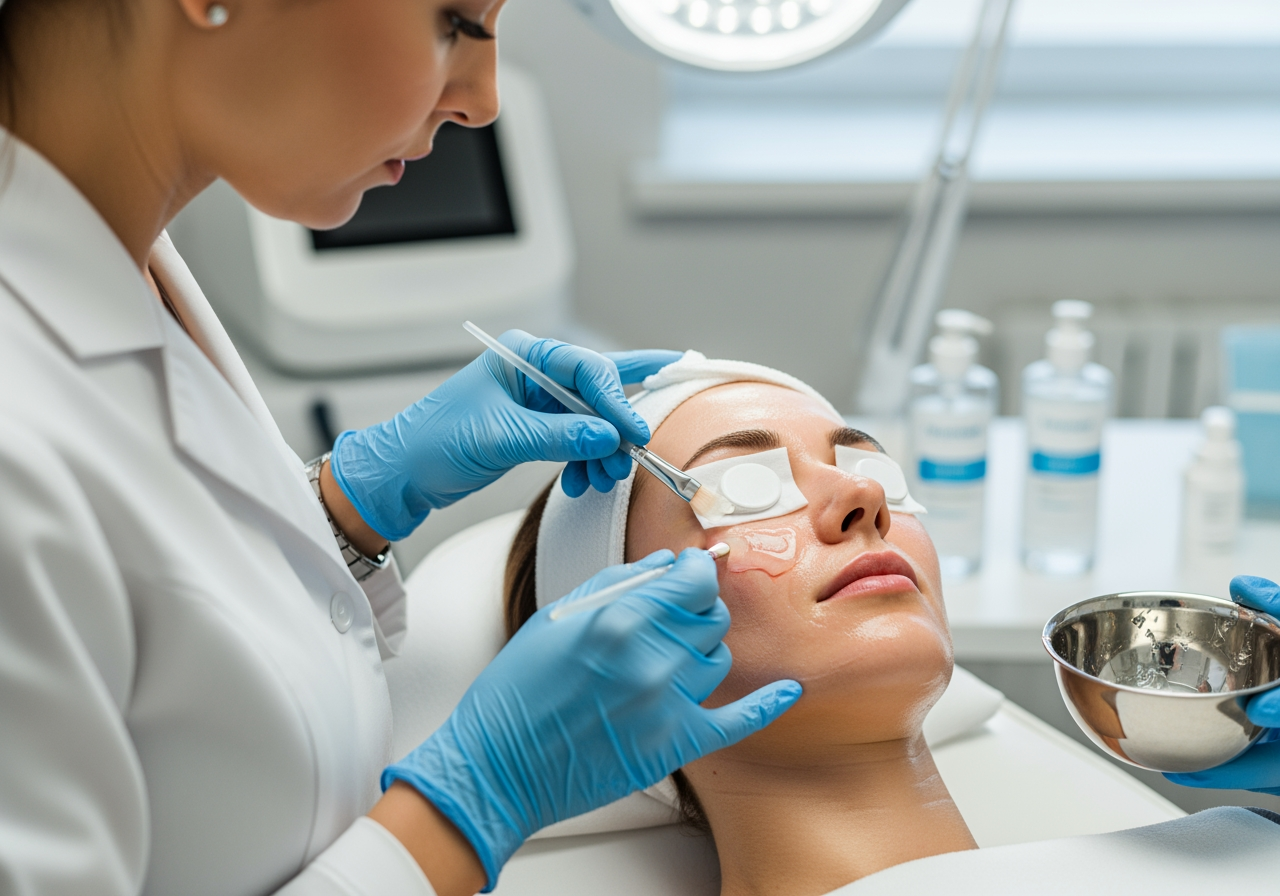
The type of peel we choose depends on your scars and skin type. Glycolic acid and salicylic acid peels are lighter options that work beautifully for improving overall texture and fading superficial discoloration. They’re also excellent for preventing future breakouts while treating existing marks.
For more pronounced scarring, TCA (Trichloroacetic Acid) peels are medium-depth treatments that penetrate deeper into the skin. These are particularly effective for atrophic scars like boxcar and ice pick scars because they stimulate significant collagen remodeling. The results can be quite dramatic—improved texture, reduced scar depth, clearer pores, and a more even skin tone.
One thing that helps maximize results is pre-peel priming. We typically have patients use specific skincare products for 2-4 weeks before the peel to prepare the skin and minimize any side effects. You can explore more about how these treatments work on our Chemical Peel for Acne Scars page, and learn about the Benefits of TCA Chemical Peels.
Laser Skin Resurfacing
If you’re looking for dramatic improvement, laser skin resurfacing is one of the most powerful tools we have for treating acne scars. These treatments use focused light energy to either remove damaged skin layers or stimulate deep collagen production, essentially jumpstarting your skin’s natural healing process.
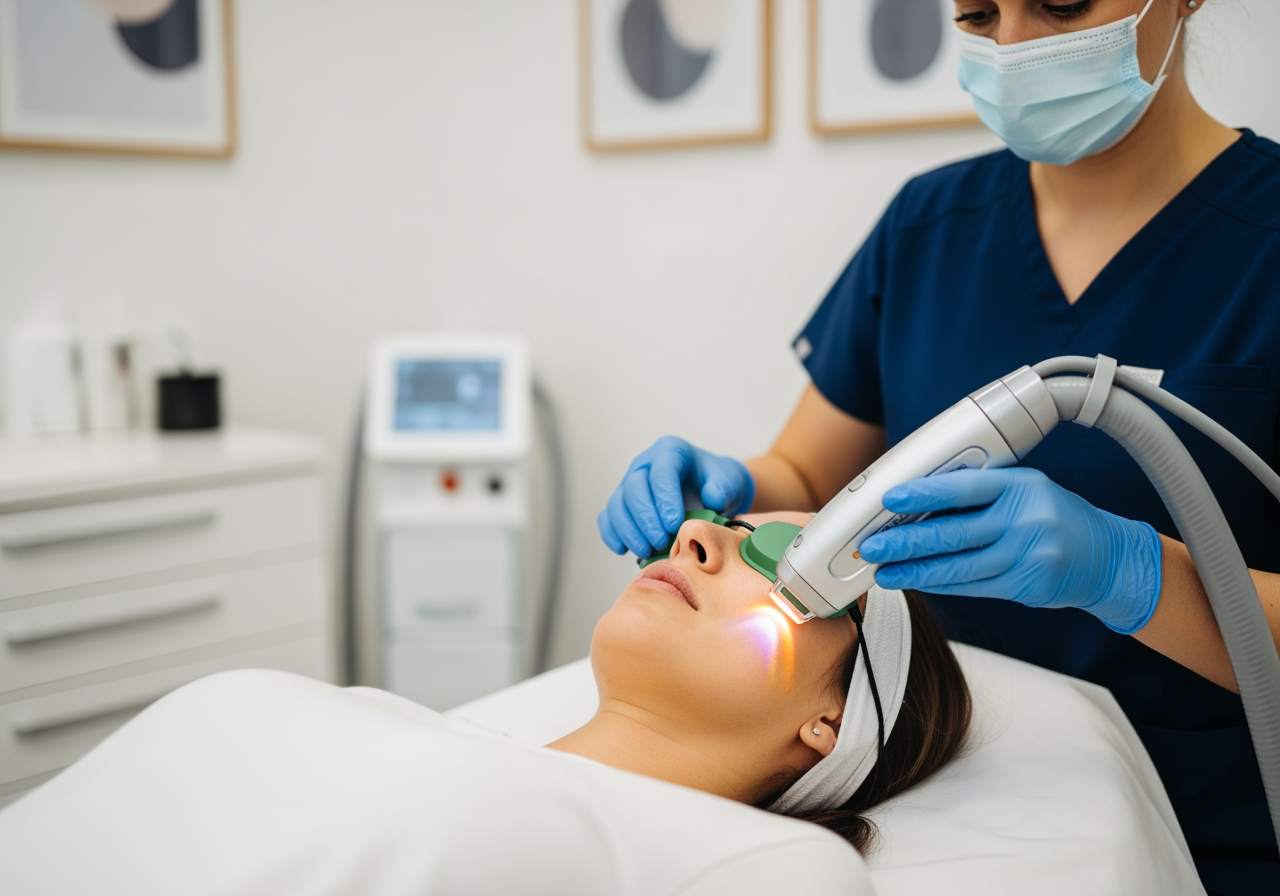
We have two main categories of lasers, each with distinct benefits. Ablative lasers, including CO2 and Er:YAG lasers, remove the outermost layers of damaged skin, allowing fresh, healthier skin to form in its place. CO2 lasers are exceptional for deeper scars and significant texture issues—they stimulate intense collagen remodeling that can truly transform the skin’s surface. Er:YAG lasers offer more precision with generally less downtime. Both types effectively fill in depressed scars and smooth uneven texture.
Non-ablative lasers take a gentler approach. They heat the underlying tissue without damaging the surface, stimulating collagen production gradually over time. This means minimal downtime but more gradual results.
Laser resurfacing works particularly well for boxcar and rolling scars, and it dramatically improves overall skin tone and texture. However, I always have an honest conversation with patients about their skin type. For individuals with darker skin tones or a history of keloids, certain laser treatments can carry an increased risk of side effects like color changes. A thorough consultation helps us determine the safest, most effective approach for your unique skin. Learn more about how this technology can help you on our Laser Skin Rejuvenation and CO2 Laser Treatments pages.
Microneedling (Collagen Induction Therapy)
Microneedling, also called Collagen Induction Therapy, might sound intimidating, but it’s actually a minimally invasive treatment that delivers impressive results. The procedure uses a device with tiny, sterile needles to create controlled micro-injuries across your skin’s surface. Your body responds to these micro-injuries exactly as it should—by ramping up production of collagen and elastin, the proteins that give skin its structure and bounce.
This treatment shines when it comes to rolling and boxcar scars. By rebuilding the skin’s foundation from within, microneedling leads to smoother texture, reduced scar depth, and more even tone. One of the biggest advantages is the minimal downtime and its safety profile for various skin types.
Collagen production is a gradual process, so we typically recommend a series of treatments spaced several weeks apart to achieve optimal results. But the wait is worth it—patients consistently tell me how much smoother and more confident their skin looks after completing their treatment plan. You can learn more about this innovative approach on our Collagen Induction Therapy page, and see how we use it for broader applications in Treating Traumatic Scars with Micro-Needling.
Radiofrequency (RF) Microneedling
Think of RF microneedling as microneedling’s more powerful sibling. This advanced treatment combines traditional microneedling with radiofrequency energy for even better results. As the tiny needles penetrate your skin, they deliver RF energy deep into the dermis. This controlled heat creates a thermal injury zone that dramatically boosts collagen and elastin production beyond what needling alone can achieve.
The combination of micro-injuries and heat leads to more intensive collagen remodeling and noticeable skin tightening. RF microneedling is exceptionally effective for various atrophic scars—including rolling and boxcar types—and it also improves overall skin laxity and texture. Many patients find they achieve their desired results in fewer treatments compared to traditional microneedling, making it a more comprehensive solution for deeper tissue concerns.
Our Micro-needling with Endymed Intensif page offers more details about this powerful treatment option.
Dermal Fillers
Sometimes the most neat solution is the simplest one. For depressed acne scars, dermal fillers offer immediate, visible improvement by literally lifting those sunken areas to match the surrounding skin. This non-surgical approach involves injecting a gel-like substance—most commonly hyaluronic acid—directly beneath the scar.
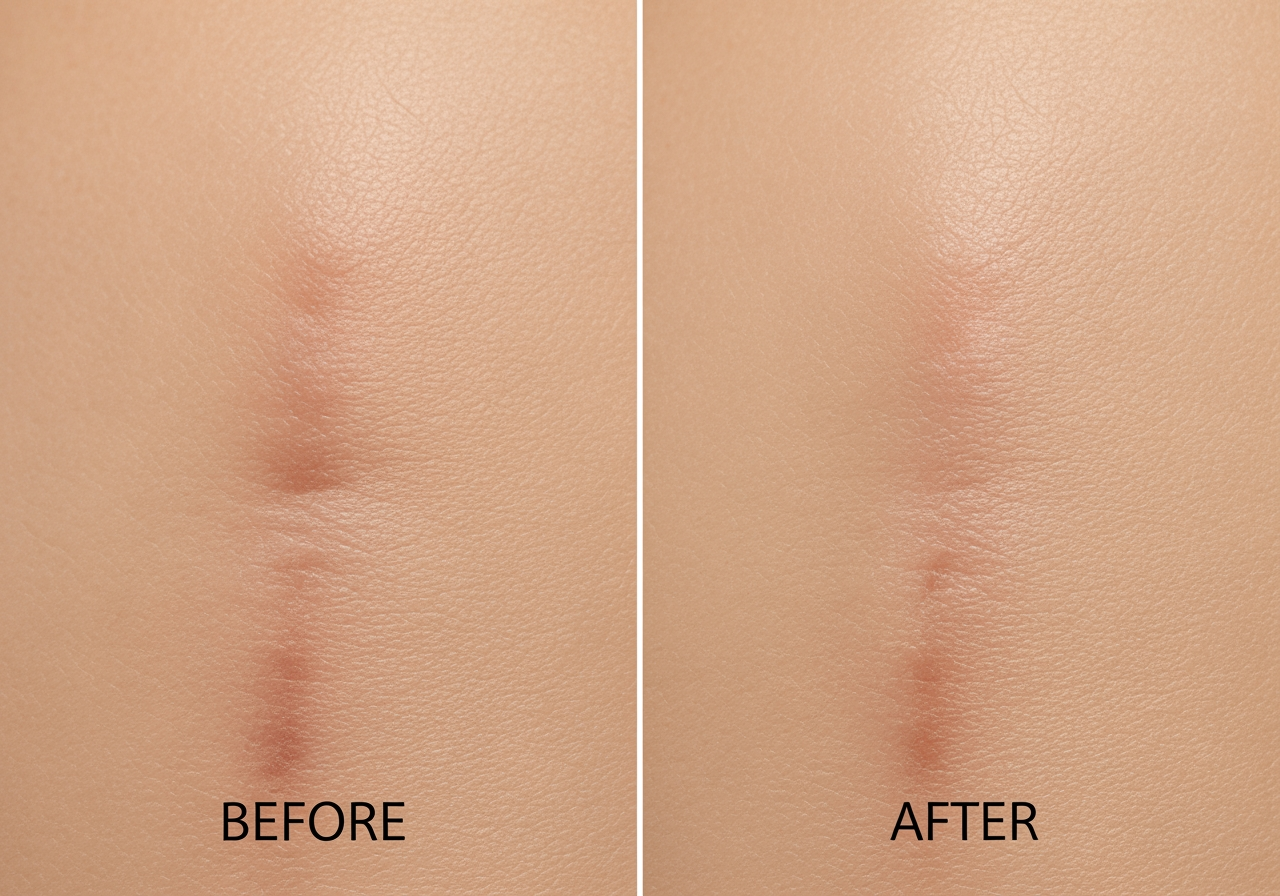
The filler adds volume under the scar, pushing the skin upward and creating a smoother, more even surface. This works particularly well for boxcar and rolling scars where there’s significant loss of underlying tissue. Some fillers even stimulate your body’s natural collagen production over time, offering benefits beyond the immediate lift.
I love dermal fillers for patients who want to see results right away—the improvement is instant and can be quite dramatic. The trade-off is that they’re temporary. Hyaluronic acid fillers typically last six to twelve months, though some semi-permanent options last longer. You’ll need repeat treatments to maintain the effect, but for many patients, that instant gratification and confidence boost makes it absolutely worthwhile.
Crafting Your Personalized Treatment Plan
Here’s the truth about skin care treatments for acne scars: what works beautifully for your friend might not be the right solution for you. Your scars tell their own story—shaped by your skin type, the depth and type of scarring, and even your genetics. That’s why cookie-cutter approaches simply don’t work.
When you come see us at Athena Plastic Surgery in Stuart or West Palm Beach, we start with a conversation, not a sales pitch. We’ll examine your skin closely, looking at the specific types of scars you have—are they ice pick, boxcar, or rolling? How deep do they go? We’ll also talk about your medical history, what you’re hoping to achieve, and practical considerations like your budget and how much recovery time you can realistically manage.
The Mayo Clinic experts put it perfectly: “Acne scars are stubborn, and no single treatment is best for everyone.” That’s not discouraging news—it’s actually empowering. It means we can tailor a plan specifically for you, rather than trying to force a one-size-fits-all solution.
In my experience, the most dramatic improvements come from combining different treatments. Think of it like a symphony—each instrument plays its part, but together they create something far more beautiful than any single note. We might pair laser resurfacing with chemical peels to address both texture and discoloration, or combine microneedling with dermal fillers to lift and smooth stubborn scars. The goal is always the same: helping you look in the mirror and feel genuinely confident in your skin.
Why Multiple Sessions Are Often Necessary
While you’re eager to see results, it’s important to understand that your skin doesn’t transform overnight. The most effective skin care treatments for acne scars work with your body’s natural healing processes, and those processes simply take time.
Your body produces collagen on its own schedule, not ours. When we use treatments like lasers, microneedling, or chemical peels, we’re essentially telling your skin to start rebuilding itself. That signal triggers collagen production, but the full development of new, healthy collagen can take weeks or even months. Each treatment session builds on the progress from the last one, gradually improving your skin’s texture and appearance.
Think of it this way: you can’t paint a masterpiece in one brushstroke. Treating multiple skin layers requires a gradual approach. A single treatment can only safely address so much depth or surface area without risking excessive damage or prolonged downtime. By spacing treatments appropriately, we can go deeper and achieve more comprehensive results while keeping your skin safe and healthy.
The healing time between sessions isn’t wasted time—it’s when the real magic happens. Your skin needs that recovery period to regenerate, strengthen, and show you the full benefits of each procedure. Rush the process, and you risk compromising both safety and results.
I often tell patients it’s like training for a marathon. You don’t run 26 miles on your first day; you build up gradually, giving your body time to adapt and strengthen. The same principle applies to your skin.
At-Home Skin Care Treatments for Acne Scars: Supporting Professional Results
The work we do in our office is just one part of the equation. What you do at home every single day can make the difference between good results and truly outstanding ones. Your at-home skincare routine supports the professional treatments, helps prevent new breakouts, and protects your healing skin.
Let’s start with the absolute non-negotiable: sunscreen. I can’t stress this enough. Every single day, rain or shine, you need a broad-spectrum, water-resistant sunscreen with SPF 30 or higher. The sun can darken treated areas and make scars more noticeable, essentially undoing all the progress we’ve made together. As board-certified dermatologist Dr. Mary Ramirez puts it, “The use of a broad-spectrum sunscreen is the most important daily step to help prevent and treat post-inflammatory erythema (red), post-inflammatory hyperpigmentation (dark), and post-inflammatory hypopigmentation (light) changes to the skin.”
Retinoids are your next best friend. Whether you’re using adapalene gel, retinol, or prescription tretinoin, these ingredients accelerate cell turnover and boost collagen production. They help even out your skin tone and texture while preventing new acne from forming—which means preventing new scars before they start.
Alpha-hydroxy acids (AHAs) like glycolic acid and lactic acid gently exfoliate your skin’s surface, revealing fresher, smoother skin underneath. Meanwhile, Vitamin C serums work as powerful antioxidants, brightening your complexion and supporting the collagen your skin is working hard to produce.
Niacinamide (also called Vitamin B3) is wonderfully versatile—it strengthens your skin barrier, calms inflammation, reduces redness, and helps fade dark spots. And if you’re dealing with stubborn hyperpigmentation, tranexamic acid has become increasingly popular for its ability to target those persistent dark areas.
During your consultation, we’ll help you build a routine that makes sense for your skin and complements your in-office treatments. The key is consistency and patience—and absolutely, positively resisting the urge to pick or squeeze breakouts. I know it’s tempting, but that’s the fastest way to create new scars that we’ll need to treat down the road.
Frequently Asked Questions about Acne Scar Treatment
We know you probably have questions about skin care treatments for acne scars—you’re not alone. During consultations at our Stuart and West Palm Beach offices, patients ask us these same things all the time. Let’s tackle the most common concerns together.
How long does it take for acne scars to fade with treatment?
Here’s the honest answer: it depends on what we’re treating and how we’re treating it. The timeline for seeing results varies based on your specific scar type, the severity of scarring, which treatments we choose, and how your own skin responds to treatment.
Think of it this way—some treatments offer quick gratification while others play the long game. Dermal fillers can instantly lift depressed scars, giving you immediate visible improvement. But most resurfacing and collagen-stimulating treatments? They’re building a better foundation from within, which simply takes time.
For procedures like microneedling or laser resurfacing, which work by triggering your body’s natural collagen production, you’ll typically start noticing improvements within a few weeks. But the full, beautiful results often take 3-6 months to fully develop. Your body needs time to build that new collagen and remodel the skin tissue.
The key to success? Consistency. Stick with your treatment plan, maintain your at-home skincare routine, and give your skin the time it needs to heal and regenerate. We’ll be with you every step of the way, monitoring your progress and adjusting the plan as needed.
Can you ever completely get rid of acne scars?
I wish I could promise you that we can erase every trace of scarring, but I’d rather be straight with you. Complete removal of all acne scars is rare. However—and this is important—significant improvement is absolutely possible.
Our goal at Athena Plastic Surgery isn’t perfection; it’s change. We focus on achieving a smoother, more even skin texture that dramatically boosts your confidence and makes those scars far less noticeable. We work to blend scars with the surrounding skin, minimize their depth, soften their edges, and improve any discoloration that makes them stand out.
Many of our patients tell us that after treatment, they finally feel comfortable going makeup-free or no longer fixate on their scars when they look in the mirror. That’s the real win—getting you back to feeling like yourself again.
During your consultation, we’ll have an honest conversation about what outcomes you can realistically expect for your specific situation. Expert answers on treatment selection emphasize this personalized approach. Managing expectations from the start means you’ll be informed, comfortable, and excited about your treatment journey rather than disappointed by unrealistic hopes.
Are professional acne scar treatments painful?
The short answer is that discomfort levels vary by procedure, but we prioritize keeping you comfortable throughout every treatment. Most patients are pleasantly surprised that these treatments are much more tolerable than they expected.
For procedures like microneedling, RF microneedling, and many laser treatments, we apply a topical numbing cream to your skin about 30-45 minutes before we begin. This makes a huge difference, reducing sensations to what most people describe as mild pressure, tingling, or warmth rather than actual pain.
Chemical peels create a temporary stinging or warming sensation as they work, but this subsides once we neutralize or remove the peel solution. It’s brief and manageable. Dermal filler injections use very fine needles, and most fillers contain lidocaine (a numbing agent) right in the product, which helps minimize discomfort during and after the injection.
After treatment, you might experience some sensitivity, redness, or mild swelling—think of it like a mild sunburn. This is completely normal and usually manageable with over-the-counter pain relievers and following your aftercare instructions carefully.
During your personalized consultation, we’ll walk you through exactly what to expect regarding discomfort and recovery time for each treatment we recommend. No surprises, just honest information so you can make confident decisions about your care.
Your Journey to Smoother, More Confident Skin
Living with acne scars can feel like carrying a constant reminder of difficult skin days that have already passed. But here’s what I want you to know: those marks don’t have to define your reflection forever. Smoother, more confident skin isn’t just a hopeful wish—it’s an achievable reality with the right guidance and treatment approach.
Throughout this guide, we’ve walked through the landscape of skin care treatments for acne scars together, from understanding the different types of scars that might be affecting your skin to exploring powerful professional treatments like chemical peels, laser resurfacing, microneedling, RF microneedling, and dermal fillers. Each of these options offers unique benefits, and the beauty lies in how they can be combined to create something truly transformative for your specific situation.
The most important takeaway? There’s no universal solution that works for everyone. Your scars are as individual as you are, which is why a personalized approach makes all the difference. At Athena Plastic Surgery, Dr. Avron Lipschitz and our dedicated team understand that your journey toward clearer skin is deeply personal. We’re committed to walking alongside you, bringing together our expertise, state-of-the-art technology, and genuine care to craft a treatment plan that addresses your unique concerns.
Yes, achieving optimal results takes time, consistency, and patience. Multiple sessions are often necessary, and your at-home skincare routine plays a supporting role in your success. But with realistic expectations and a committed partnership, the change can be remarkable. We’ve seen it happen countless times in our Stuart and West Palm Beach offices—patients who walked in feeling self-conscious about their scars and walked out months later with renewed confidence and smoother skin.
Your skin has already been through its healing journey once. Now it’s time to guide it toward the best possible outcome. We’re here to help you do exactly that.
Ready to explore your options for smoother skin? Learn more about our advanced skin care services.