
Upturned nose 6 months after rhinoplasty is a common concern among patients as they progress through the healing process. Adjustments in nasal shape can take time, and up to a year is sometimes necessary to see final results. However, at the six-month mark, some key points may help address concerns:
- The upturned appearance could be due to residual swelling and the natural healing process.
- If the angle remains higher than desired, evaluate with your surgeon.
- Options exist, both surgical and non-surgical, if change is necessary.
Rhinoplasty is a complex procedure, and understanding each stage of the healing is crucial for those experiencing an upturned nose 6 months after rhinoplasty. The journey from surgery to a fully healed, natural-looking nose requires patience, as the nasal tissues continue to refine. Subtle changes will occur over time, gradually revealing the intended shape.
I’m Dr. Avron Lipschitz, an experienced Board-Certified Plastic Surgeon with years of expertise in addressing challenges like the upturned nose 6 months after rhinoplasty. My training includes advanced surgical techniques to achieve optimal aesthetic outcomes. Join me as we dig further into this topic.

Upturned nose 6 months after rhinoplasty word list:
– men’s rhinoplasty before and after
– rhinoplasty
Understanding the Upturned Nose After Rhinoplasty
When it comes to rhinoplasty, one common concern is the development of an upturned nose or “piggy nose.” This is when the nasal tip points upwards more than desired, making the nostrils more visible from the front. While it can be a natural result of the healing process, understanding why it happens and what you can do about it is key.

Why Does the Nasal Tip Turn Up?
The nasal tip’s position can be influenced by several factors during the healing process:
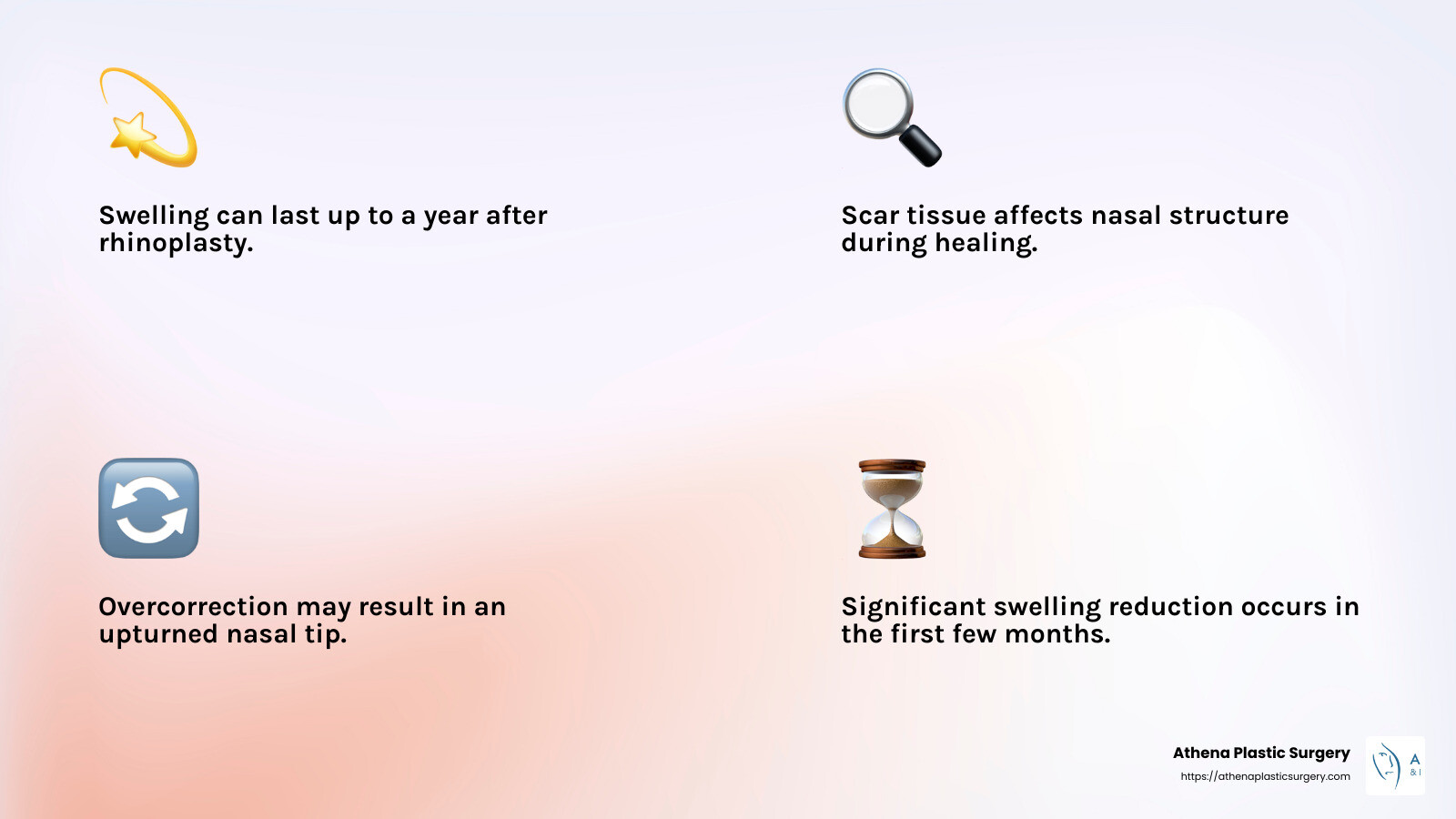
Swelling: Post-surgery swelling can temporarily alter the shape of your nose. This swelling can push the nasal tip upwards, making it appear more upturned than it will be once healing is complete.
Healing Process: As your body heals, scar tissue forms and can affect the nasal structure. This might contribute to the upturned appearance, especially if the healing is uneven.
Surgical Technique: Sometimes, the initial surgery may have involved an overcorrection where the nasal tip was intentionally lifted too much.
The Role of Swelling
Swelling is a natural part of any surgery, including rhinoplasty. It can last several months, with the most significant reduction happening in the first few months. However, minor swelling may persist up to a year. This extended swelling period means that the final shape of your nose, including the nasal tip, may not be fully apparent until then.
Monitoring Your Healing
It’s important to keep track of how your nose changes over time. At the 6-month mark, some swelling should have subsided, but the nasal tip might still appear more liftd than desired. Here are a few things to monitor:
- Nasal Angle: Is the angle between your upper lip and nasal tip decreasing over time?
- Nostril Visibility: Are your nostrils less visible as swelling reduces?
- Facial Harmony: Does your nose seem to fit better with your other facial features as healing progresses?
If you notice that your nose still appears upturned at this stage, it’s wise to consult with your surgeon. They can evaluate whether this is a temporary aspect of healing or if further intervention might be needed.
While patience is essential, understanding these factors can help manage expectations and provide peace of mind as you await the final results.
Causes of an Upturned Nose 6 Months After Rhinoplasty
At six months post-rhinoplasty, an upturned nose might still be a concern for some patients. Several factors can contribute to this, and understanding them can help you steer your recovery more confidently.
Swelling
Swelling is a major player in the healing process. While most swelling decreases significantly in the first few months after surgery, some residual swelling can persist for up to a year. This can temporarily push the nasal tip upwards, making the nose appear more upturned. It’s crucial to be patient and give your body the time it needs to heal fully.
Scar Tissue
Scar tissue formation is a natural part of healing. However, if it develops unevenly or excessively, it can affect the nasal structure. This tissue can contract and pull on the nasal tip, contributing to an upturned appearance. Regular follow-ups with your surgeon can help monitor scar tissue development and address any issues early on.
Overcorrection
Sometimes during surgery, the nasal tip might be lifted more than necessary, either intentionally or unintentionally. This overcorrection can result in a more upturned nose. If this is the case, it might require further surgical intervention to adjust the nasal tip position.
Nasal Structure
The underlying nasal structure, including cartilage and bone, plays a significant role in the nose’s final appearance. If the structure was altered significantly during surgery, it might take time for the new shape to settle. Cartilage grafts or other techniques might have been used to support the nose, and these need time to integrate fully with the existing tissue.
Understanding these causes can help you gauge whether the appearance of your upturned nose 6 months after rhinoplasty is part of the normal healing process or if it might require further evaluation. Always maintain open communication with your surgeon to ensure the best outcomes for your rhinoplasty journey.
Assessing Your Nose 6 Months Post-Op
At the six-month mark after rhinoplasty, it’s time to take a closer look at your nose. This self-assessment can help determine if your nose is healing as expected or if further action might be necessary.
Self-Assessment Tips
Nasal Angle: Check the angle between your upper lip and the nasal tip. A balanced angle contributes to a harmonious facial profile. If your nose seems overly rotated, making your nostrils more visible, you might be dealing with an upturned nasal tip.
Nostril Visibility: Stand in front of a mirror and observe the nostril visibility from a frontal view. Ideally, the nostrils should not be overly exposed. If they are, this might indicate an upturned nose.
Facial Harmony: Consider how your nose fits with your other facial features. A well-proportioned nose improves overall facial harmony. An upturned nose can disrupt this balance, affecting how you perceive your appearance.
Document Changes: Take photos from various angles to track changes over time. Comparing these can help you notice subtle improvements or persistent concerns.
What to Look For
Residual Swelling: Some swelling might still be present at six months. This can affect nasal shape, so patience is key.
Scar Tissue: Feel for any irregularities or tightness that might suggest scar tissue development. This can impact the nasal tip’s position.
Nasal Function: Ensure your nose functions well. Breathing difficulties can signal structural issues that might need attention.
If you’re still concerned about an upturned nose 6 months after rhinoplasty, consider discussing your findings with your surgeon. They can provide professional insights and suggest the best course of action. Your journey to achieving your desired nose shape is unique, and your surgeon is there to support you every step of the way.
Non-Surgical Solutions for an Upturned Nose
If you’re noticing an upturned nose 6 months after rhinoplasty and prefer to explore non-surgical options, you’re in luck. There are several temporary solutions available that can address cosmetic concerns without the need for another surgery.
Dermal Fillers
Dermal fillers are a popular choice for those wanting to tweak their nasal appearance without going under the knife. These gel-like substances can be injected into specific areas of the nose to add volume and alter its shape. For an upturned nose, fillers can be strategically placed to smooth out the contour and reduce the appearance of an over-rotated tip.
- Quick Results: Changes are visible immediately after the procedure.
- Minimal Downtime: Most patients can return to their daily activities right away.
- Temporary Fix: Effects usually last between 6 to 18 months, making it a good option for those testing changes before committing to a surgical revision.
Botox
Botox isn’t just for wrinkles; it can also help with nasal aesthetics. By relaxing certain muscles around the nose, Botox can slightly adjust the nasal tip’s position. This can be particularly useful if your upturned nose is due to muscle tension.
- Non-Invasive: A simple injection with no need for recovery time.
- Temporary Solution: Effects last a few months, offering a short-term fix.
Non-Surgical Rhinoplasty
Non-surgical rhinoplasty, often referred to as a “liquid nose job,” involves using dermal fillers to reshape the nose. While it can’t reduce the size of the nose, it can address minor imperfections and create a more balanced profile.
- Immediate Results: You’ll see changes right away, and there’s no waiting for swelling to subside.
- Reversible: If you’re unhappy with the results, some fillers can be dissolved.
Temporary Solutions: Pros and Cons
While non-surgical options provide a quick fix, they are not permanent. Here’s a quick breakdown:
| Pros | Cons |
|---|---|
| Quick and minimally invasive | Temporary, requiring regular maintenance |
| No significant downtime | Limited to minor adjustments |
| Immediate results | Not suitable for significant structural changes |
If you’re considering these options, it’s crucial to consult with a skilled practitioner. They can ensure that any changes made are both aesthetically pleasing and safe, preserving the essential function of your nose.
For more detailed information on non-surgical rhinoplasty, explore Athena Plastic Surgery’s offerings. They provide expert guidance custom to your unique needs, helping you achieve your desired look with precision and care.
Surgical Solutions for Correcting an Upturned Nose
If non-surgical options aren’t providing the desired results, surgical solutions might be necessary to address an upturned nose 6 months after rhinoplasty. Let’s explore the various surgical techniques that can help correct this issue.
Revision Rhinoplasty
Revision rhinoplasty is a surgical procedure designed to correct or improve the results of a previous nose surgery. This can be a complex process, as it involves working with scar tissue and potentially compromised nasal structures. The goal is to create a more balanced and natural-looking nose that aligns with the patient’s aesthetic desires and facial harmony.
- Specialized Expertise: Choosing a surgeon with experience in revision rhinoplasty is crucial, as these procedures are more complicated than primary rhinoplasty.
- Patient-Specific Approach: Each surgery is custom to the individual’s unique nasal structure and previous surgical outcomes.
Cartilage Grafts
Cartilage grafts are often used in revision rhinoplasty to provide additional support and reshape the nose. The cartilage can be sourced from different parts of the body, such as the septum, ear, or even rib, depending on the amount and type needed.
Caudal Septal Extension Grafts: These grafts help lengthen the nose and counteract the upturned tip by extending the nasal septum. This provides a stable foundation for repositioning the nasal tip.
Extended Spreader Grafts: These are used to widen the nasal bridge and support the nasal tip, allowing for a more downward position.
Nasal Support
Adequate nasal support is essential for maintaining the new shape of the nose. The surgeon may use various techniques to ensure that the nose remains in the desired position after surgery.
Structural Reinforcement: Strengthening the nasal framework with grafts or sutures to prevent the tip from rotating upwards again.
Balancing Aesthetics and Functionality: Ensuring that the changes not only look good but also allow for proper nasal function and breathing.
Surgical Techniques
Correcting an upturned nose involves precise surgical techniques. The surgeon may need to release scar tissue, adjust cartilage, and reposition the nasal tip to achieve the desired outcome.
Open Rhinoplasty: This approach involves making an incision across the columella (the tissue between the nostrils) to gain full access to the nasal structures. It allows for greater precision in reshaping the nose.
Closed Rhinoplasty: In some cases, adjustments can be made through incisions inside the nostrils, avoiding external scars.
Each of these surgical solutions requires careful planning and execution by a skilled surgeon. For more information on revision rhinoplasty and surgical techniques, consider exploring Athena Plastic Surgery’s expertise, where patient care and aesthetic excellence are prioritized.
Recovery and Healing Process
Recovery after rhinoplasty is a journey that involves patience and proper care. Here’s what you can expect in terms of healing timeline, swelling reduction, post-op care, and patient expectations.
Healing Timeline
The healing process after rhinoplasty is gradual. Initially, you might feel discomfort and notice significant swelling and bruising. Here’s a breakdown of the typical healing stages:
- First Week: Splint and stitches are usually removed. You might still see noticeable swelling.
- 2-4 Weeks: Most swelling and bruising subside. You can resume light activities.
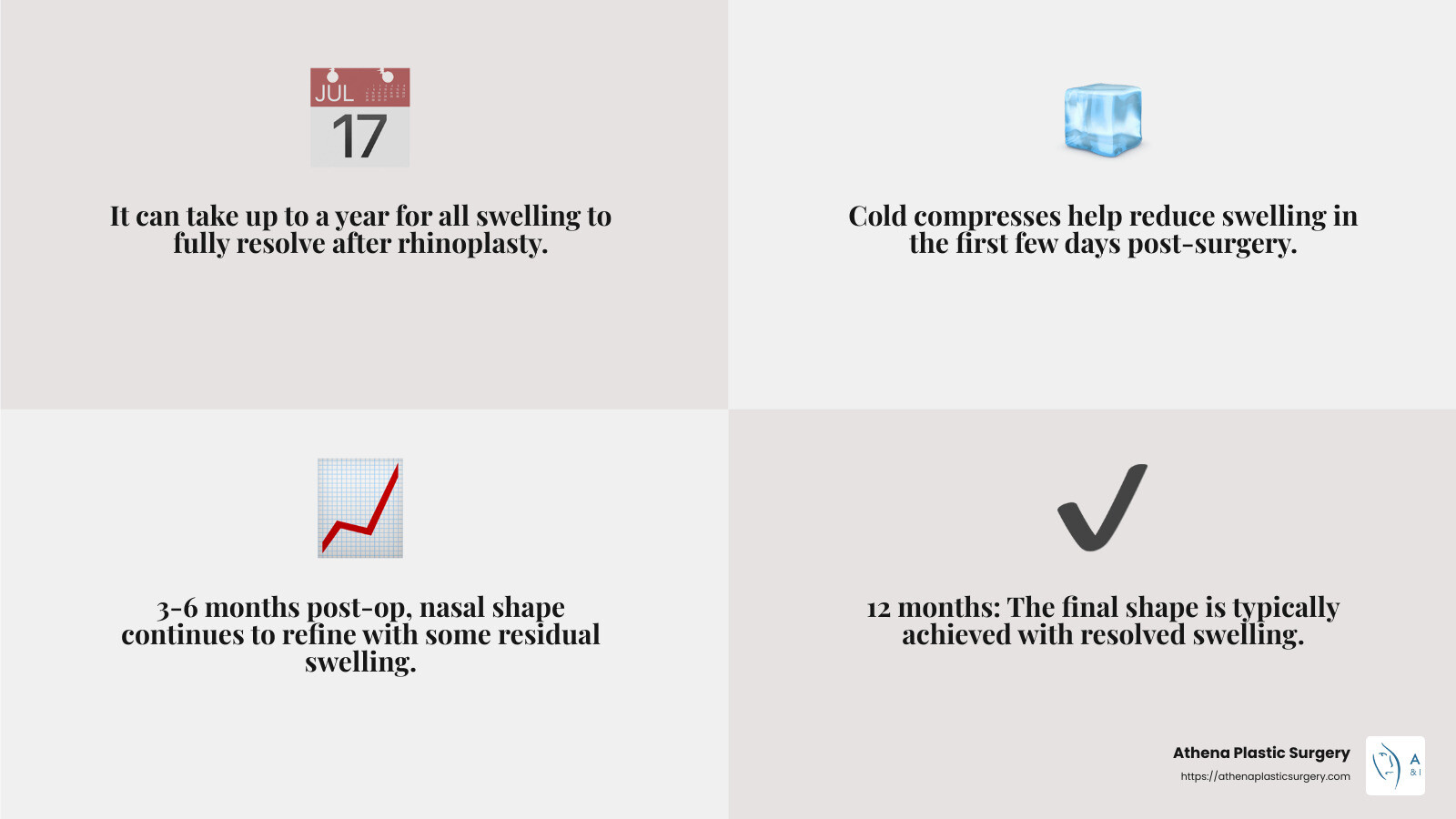
- 3-6 Months: The nasal shape continues to refine, but some residual swelling may persist.
- 12 Months: The final shape is typically achieved, and all swelling should have resolved.
Fact: It can take up to a year for all swelling to fully resolve, allowing the final shape of the nose to emerge.
Swelling Reduction
Swelling is a natural part of the healing process, but there are ways to manage it effectively:
- Cold Compresses: Applying cold compresses can help reduce swelling in the first few days post-surgery.
- Lift Your Head: Keeping your head liftd, especially while sleeping, can minimize swelling.
- Avoid Strenuous Activities: Activities that increase blood flow to the face can worsen swelling, so it’s best to avoid them for several weeks.
Post-Op Care
Following your surgeon’s post-op care instructions is crucial for a smooth recovery:
- Avoid Blowing Your Nose: This can disrupt the healing process.
- Use Saline Sprays: To keep nasal passages clear without irritation.
- Sneezing: Sneeze through your mouth to avoid pressure on the nose.
- Avoid Glasses: Switch to contact lenses if possible to prevent pressure on the nasal bridge.
Quote: “Taking care of your nose post-surgery is essential for achieving the best possible outcome.”
Patient Expectations
Understanding what to expect can help manage your expectations and reduce anxiety:
- Initial Appearance: The nose may look different from the expected result due to swelling and healing.
- Patience is Key: The body heals at its own pace. It may take several months to see the final results.
- Check-Ins with Your Surgeon: Regular follow-ups are important to monitor progress and address any concerns.
Example: A patient noticed initial improvements in nose shape within the first month. However, it took almost a year for the nose to achieve its final, refined appearance.
Transitioning into the next section, let’s explore some frequently asked questions about an upturned nose 6 months after rhinoplasty, including common concerns and what to expect as you continue to heal.
Frequently Asked Questions about Upturned Nose 6 Months After Rhinoplasty
How long does it take for an upturned nose to settle after rhinoplasty?
The journey to a fully healed nose after rhinoplasty is a long one. Swelling can persist for several months, often taking up to a year to completely subside. At around 6 months, your nose is still in the healing phase. While much of the swelling will have decreased, some residual swelling might still be present, particularly around the nasal tip. This means the final shape of your nose is still evolving.
Fact: According to experts, patience is crucial, as the nose continues to refine and settle over time.
Why is my nose tip upturned after rhinoplasty?
An upturned nose or “piggy nose” appearance 6 months after surgery can be attributed to several factors. Swelling is a primary reason, as it can temporarily distort the shape. In some cases, overcorrection during the surgery might lead to an overly rotated nasal tip.
Quote: “Residual swelling can mask the nuances of the surgery, making the nose appear different from the expected result.”
If you’re concerned about the degree of upturn, it’s important to discuss this with your surgeon, as they can provide insights into whether it’s a temporary issue or if further intervention might be needed.
What should I expect 6 months after rhinoplasty?
At the 6-month mark, the healing process is well underway, but not yet complete. You should expect:
- Residual Swelling: While most swelling has subsided, some may linger, affecting the nasal shape.
- Nasal Shape Refinement: The nose continues to refine, with changes becoming more subtle and closer to the final result.
- Healing Progress: The tissues are still settling, and the nose’s appearance will continue to improve over the coming months.
Example: Many patients report that their nose feels more natural and integrated with their face as they approach the one-year mark.
Understanding these aspects can help manage expectations and guide you through the healing journey.
Conclusion
At Athena Plastic Surgery, we understand that your journey to achieving the perfect nose is deeply personal and requires expert guidance. Led by the esteemed Dr. Avron, a Johns Hopkins-trained surgeon, our practice is committed to providing aesthetic excellence and compassionate care to all our patients.
If you’re experiencing concerns about an upturned nose 6 months after rhinoplasty, rest assured that our team is here to support you. We believe in a patient-centered approach, ensuring that each individual receives custom care that aligns with their unique needs and aesthetic goals.
Consultation is Key: We invite you to schedule a consultation with us to discuss any concerns and explore the best options for your situation. Our focus is not just on correcting aesthetic issues but also on enhancing your overall facial harmony and confidence.
Our commitment to excellence means that we use the most advanced techniques and technologies in rhinoplasty. Whether you’re considering a non-surgical approach or contemplating revision surgery, our team is equipped to provide the best possible outcomes.
Take the first step towards achieving your dream nose by reaching out to us. At Athena Plastic Surgery, we are dedicated to helping you realize the beauty and balance you deserve.
Explore our rhinoplasty services and schedule your consultation today.