
Upturned nose rhinoplasty is a specialized surgical procedure aimed at reshaping the nasal tip to improve facial harmony and improve a patient’s overall profile. For those who find their upturned nose—often referred to as a “piggy nose” due to its upward tilt and visible nostrils—out of balance with their facial features, this specific type of rhinoplasty offers a targeted solution. Here’s what you need to know:
- Purpose: Adjust the nasal tip for improved aesthetics and function
- Techniques: Involves cartilage restructuring and careful shaping
- Outcome: A natural-looking nose complemented by balanced facial features
With multiple techniques available, upturned nose rhinoplasty requires the expertise of a skilled plastic surgeon to achieve the desired results.
My name is Avron Lipschitz MD. I am an award-winning Board-Certified Plastic Surgeon with more than 15 years of experience, particularly in procedures like upturned nose rhinoplasty. My training at Johns Hopkins Hospital and Manhattan Eye and Ear Hospital equipped me with the skills necessary to provide expert care and exceptional outcomes in facial surgeries.
Basic upturned nose rhinoplasty terms:
What is an Upturned Nose?
An upturned nose, sometimes referred to as a “piggy nose,” is a specific nose shape where the tip tilts upwards. This upward tilt often makes the nose appear shorter while making the nostrils more visible. It’s a unique feature that can either add character to a face or, for some, feel out of balance with other facial features.
Characteristics of an Upturned Nose
- Nasal Tip: The tip of the nose points upward, creating a distinctive angle.
- Nostrils: More visible from the front view, which can be a point of concern for some people.
- Facial Features: The upturned angle can make the nose seem shorter and may not align with the overall facial harmony.
Perceptions of an Upturned Nose
For many, an upturned nose is a charming feature that adds to their individuality. However, others may feel self-conscious about it, seeing it as out of proportion with their other facial features. This perception varies widely from person to person, and whether it’s seen as desirable or not can depend on cultural or personal standards of beauty.

Functional Concerns
Beyond aesthetics, an upturned nose can sometimes affect nasal function. The upward tilt might narrow the nasal passage, potentially leading to breathing difficulties. This is not always the case, but for some, it can be a significant issue.
Whether you’re considering a change for aesthetic or functional reasons, understanding what an upturned nose is can help you make informed decisions about potential treatments or surgeries.
Causes of an Upturned Nose
An upturned nose can arise from several factors, ranging from genetics to previous surgeries. Understanding these causes can help guide decisions about corrective procedures like upturned nose rhinoplasty.
Genetics
For many individuals, an upturned nose is simply a result of their genetic makeup. If one or both parents have this nose shape, there’s a good chance it could be passed down to their children. This is a natural variation in nose shapes, much like eye or hair color.
Birth Defects
Some people are born with congenital conditions that affect the nose’s shape. These birth defects can result in an upturned nose, among other nasal characteristics. While these conditions can sometimes be associated with other health issues, often the nose shape itself is the primary concern.
Nasal Trauma
Injuries to the nose can lead to an upturned appearance. When the nasal structure is damaged, it might heal in a way that causes the tip to tilt upwards. This can happen due to accidents, sports injuries, or any significant impact to the face.
Primary Rhinoplasty
Sometimes, an upturned nose is an unintended result of a previous rhinoplasty, especially if too much cartilage was removed. This overcorrection can cause the nasal tip to rotate upwards, leading to a “piggy nose” appearance.
Cartilage Removal
In some surgical procedures, cartilage removal is necessary to achieve the desired nose shape. However, if too much cartilage is taken from the nasal tip or septum, it can result in an upturned appearance. This is why it’s crucial to have a skilled surgeon who can balance aesthetic goals with structural integrity.
Understanding the cause of an upturned nose is essential for determining the best treatment approach. Whether it’s due to genetics, trauma, or a previous surgery, options are available to address both cosmetic and functional concerns.
Upturned Nose Rhinoplasty Procedure
When it comes to correcting an upturned nose, rhinoplasty offers a transformative solution. This surgical procedure can reshape the nasal tip, providing both cosmetic and functional benefits. Let’s explore the two main techniques: open rhinoplasty and closed rhinoplasty.
Open Rhinoplasty
Open rhinoplasty is a common approach that provides surgeons with excellent visibility of the nasal structures. This technique involves a small incision on the columella, the tissue between the nostrils.

Key Features:
Columella Incision: The incision allows the surgeon to lift the nasal skin, exposing the underlying structures for precise adjustments.
Nasal Tip Exposure: With the nasal tip fully exposed, surgeons can perform detailed work on cartilage and bone, ensuring the nose’s new shape is both aesthetic and structurally sound.
Structural Support: Open rhinoplasty often involves using cartilage grafts to reinforce the nasal tip. This is crucial for maintaining the desired shape and preventing future complications.
Anesthesia: General anesthesia is typically used to ensure patient comfort throughout the procedure.
Closed Rhinoplasty
Closed rhinoplasty, also known as endonasal rhinoplasty, is a less invasive technique with no visible scarring. This method uses internal incisions, making it an attractive option for those concerned about external marks.
Key Features:
Endonasal Approach: All incisions are made inside the nostrils, avoiding any visible scars on the outside of the nose.
No Visible Scarring: Since the incisions are internal, the skin remains untouched, resulting in a scar-free external appearance.
Internal Incisions: The surgeon accesses the nasal structures through these incisions, allowing for modifications to the nasal tip and other areas.
Anesthesia: Like open rhinoplasty, closed rhinoplasty is performed under general anesthesia to keep the patient comfortable.
Both open and closed rhinoplasty have their unique advantages. The choice between them depends on the specific needs of the patient and the complexity of the nasal adjustments required. It’s essential to consult with a skilled surgeon to determine the best approach for your upturned nose rhinoplasty.
Non-Surgical Alternatives
If surgery isn’t your cup of tea, don’t worry! There are non-surgical ways to address an upturned nose. These options offer a chance to try out nasal changes without the commitment of permanent surgery.
Injectable Fillers
Injectable fillers are a popular choice for those looking to improve their nasal aesthetics without going under the knife. These fillers, often made from substances like hyaluronic acid, can smooth out bumps and add volume to specific areas of the nose.
Quick and Painless: The procedure is fast, often completed in under an hour, and involves minimal discomfort.
Immediate Results: Unlike surgical options, you’ll see changes right away, which can be a huge plus if you’re eager for quick improvements.
Temporary Solution: While effective, these fillers are not permanent. They typically last between 6 to 18 months, allowing you to decide if you want to continue with this approach or explore surgical options later.
Dermal Fillers for Nasal Asymmetries
Dermal fillers can also address nasal asymmetries, providing a more balanced facial appearance. Whether it’s an uneven nasal bridge or a slightly crooked tip, fillers can help create symmetry without surgery.
Subtle Adjustments: Perfect for minor corrections, dermal fillers can refine the nasal tip and bridge, offering a more harmonious look.
Cost-Effective: While you’ll need repeat treatments to maintain results, the initial cost is often lower than surgical procedures.
The Art of Non-Surgical Rhinoplasty
Non-surgical rhinoplasty uses both injectable and dermal fillers to reshape the nose. This technique is sometimes referred to as a “liquid nose job.”
Customizable: The procedure can be custom to address specific concerns, whether it’s lifting the tip or smoothing out the bridge.
No Downtime: One of the biggest advantages is that you can return to your daily activities almost immediately after the procedure.
Preserving Functionality: A skilled practitioner ensures that while the nose’s appearance is improved, its essential functions, like breathing, remain uncompromised.
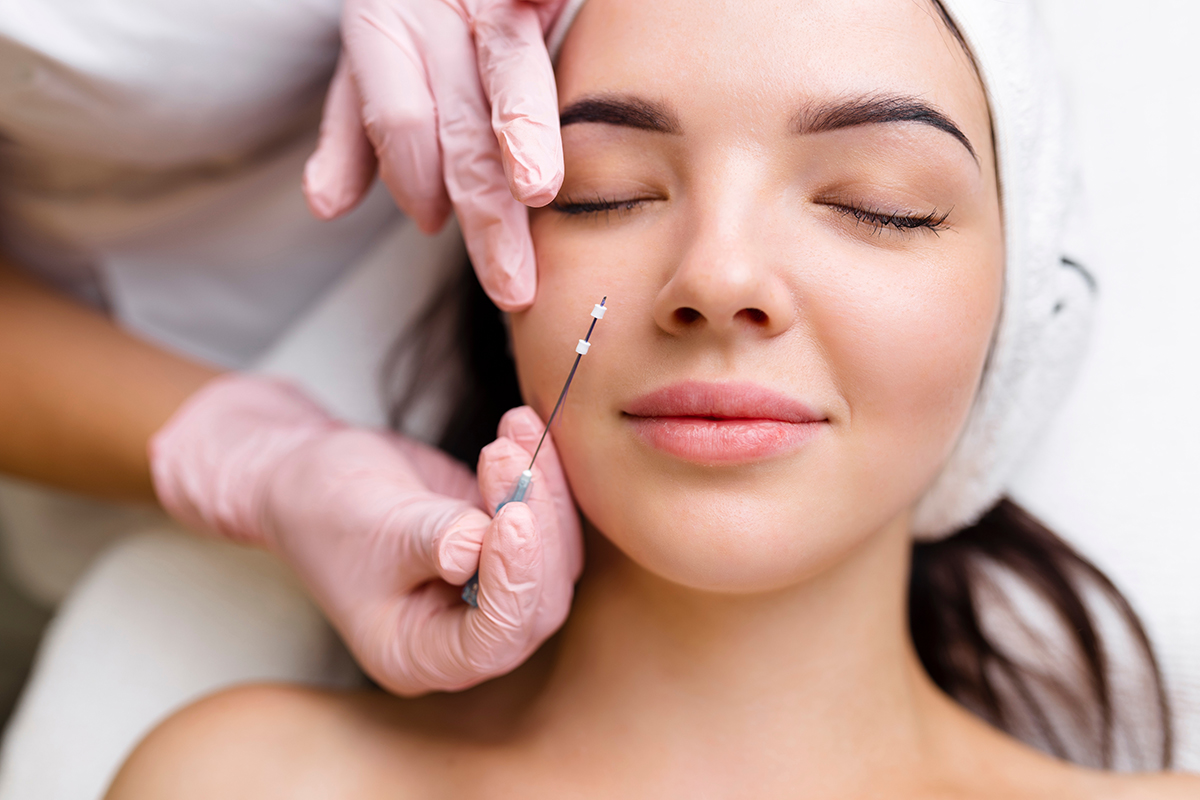
Remember, while non-surgical options are fantastic for temporary changes, they won’t replace the transformative effects of a full rhinoplasty. However, they do offer a great way to “test-drive” changes before committing to surgery. Always consult with an expert to explore which option aligns best with your goals and lifestyle.
Recovery and Aftercare
Recovering from upturned nose rhinoplasty is a journey that requires patience and proper care. Knowing what to expect and how to manage your recovery can make the process smoother.
Recovery Time
The initial recovery phase typically lasts 1 to 2 weeks. During this time, you’ll need to rest and avoid strenuous activities to help your body heal.
First Week: Expect to wear a splint to support your nose. Swelling and bruising will be most noticeable during this period.
2 to 4 Weeks: Swelling and bruising should start to subside. You might feel ready to return to work or school, but still avoid heavy lifting or intense exercise.
3 to 6 Months: Your nose will continue to refine and settle into its new shape. Be patient as the final results can take up to a year to fully emerge.
Managing Swelling and Bruising
Swelling and bruising are normal after rhinoplasty. They will gradually decrease over time.
Head Elevation: Keep your head liftd, especially when sleeping. This helps reduce swelling and promotes healing.
Cold Compresses: Applying cold compresses in the first few days can help minimize swelling and discomfort.
Post-Surgery Care
Following your surgeon’s care instructions is crucial for a successful recovery.
Splint and Sutures: The splint is usually removed after the first week. Sutures may dissolve on their own or be removed during a follow-up visit.
Medication: You’ll likely be prescribed pain medication. Avoid aspirin or ibuprofen, as they can increase bleeding.
Nasal Care: Use saline sprays to keep nasal passages clear and avoid blowing your nose.
Sneezing: Try to sneeze with your mouth open to reduce pressure on the healing nose.
Activity Limitations
To protect your healing nose, it’s important to follow activity restrictions.
Avoid Strenuous Activities: Stay away from heavy lifting, intense workouts, and contact sports for at least 4 to 6 weeks.
Be Careful with Glasses: If you wear glasses, consider switching to contact lenses temporarily to avoid pressure on the nose.
Follow-Up Appointments
Regular follow-up appointments with your surgeon will ensure that you’re healing properly and help address any concerns.
Monitoring Progress: These visits allow your surgeon to check the healing process and make any necessary adjustments.
Addressing Concerns: Don’t hesitate to ask questions or discuss any worries you might have during these appointments.
By understanding the recovery process and following these aftercare tips, you can help ensure a smooth and successful healing journey. Up next, we’ll explore the topic of revision rhinoplasty for those who might need further adjustments.
Revision Rhinoplasty for Upturned Nose
Sometimes, the journey to achieving your ideal nose shape doesn’t end with the first surgery. If an initial rhinoplasty results in an upturned nose, a revision rhinoplasty can be the solution to address overcorrection and other issues that may arise.
Understanding Overcorrection
Overcorrection happens when too much cartilage or tissue is removed during the first surgery. This can cause the nasal tip to turn upward excessively, resulting in a “piggy nose” appearance.
- Why It Happens: Surgeons aim for precision, but every nose is unique, and healing can be unpredictable. Sometimes, the skin and tissues contract more than expected, leading to an unintended over-rotation of the tip.
The Role of Scar Tissue
Scar tissue is a natural part of healing but can complicate revision surgeries. It can make the nose feel tight and restrict movement, posing challenges for surgeons who need to adjust the nasal structure.
- Challenges: Scar tissue can obscure the nasal framework, making it harder to reshape the nose without additional interventions.
Building Structural Support
To correct an upturned nose, surgeons often need to provide additional support to the nasal structure. This is crucial to ensure the nose maintains its new position and shape.
- Cartilage Grafts: Surgeons may use cartilage grafts to rebuild and support the nose. These can be taken from the patient’s own body, such as the septum, ear, or rib, providing a strong foundation for the revised nose.
Secondary Surgery Considerations
A secondary surgery requires careful planning and expertise. It’s more complex than a primary rhinoplasty due to existing scar tissue and altered anatomy.
Expertise Matters: Choosing a surgeon with experience in revision rhinoplasty is vital. They understand the intricacies and can tailor the procedure to your specific needs.
Timing: It’s usually recommended to wait at least a year after the initial surgery before undergoing a revision. This allows the nose to heal fully and the tissues to stabilize.
Success Stories and Expert Insights
Many patients have successfully improved their nasal appearance and function through revision rhinoplasty. Dr. Azizzadeh, a specialist mentioned in our research, emphasizes the importance of a personalized approach and meticulous planning to achieve the best results.
By understanding the complexities and preparing adequately, patients can achieve the harmonious facial appearance they desire. Next, let’s dive into some frequently asked questions about upturned nose rhinoplasty.
Frequently Asked Questions about Upturned Nose Rhinoplasty
Can rhinoplasty fix an upturned nose?
Yes, rhinoplasty can effectively address an upturned nose. This procedure can reshape the nasal tip and adjust its angle to create a more balanced look. Revision rhinoplasty may be necessary if the initial surgery led to overcorrection, where too much cartilage was removed, causing the nose to turn up excessively.
Surgical Techniques: Surgeons often use cartilage grafts to provide structural support and correct the angle of the nasal tip. This ensures the nose maintains its new shape and position over time.
Aesthetic Concerns: The goal is to achieve a natural appearance that complements the rest of your facial features. Open and transparent communication with your surgeon is crucial to set realistic expectations and achieve the desired outcome.
How long does an upturned nose last after rhinoplasty?
The final results of a nose job, including the correction of an upturned nose, can take time to fully manifest. Healing time varies for each individual, but here’s a general timeline:
Initial Swelling: Most swelling subsides within the first few weeks. However, some residual swelling can persist for several months.
Final Results: It typically takes up to a year for all swelling to fully resolve and for the nose to settle into its final shape. Patience is key during this time, as the nose will continue to refine and improve.
What is the cost of upturned nose rhinoplasty?
The cost of rhinoplasty can vary widely based on several factors:
Surgeon’s Fee: The experience and expertise of the surgeon play a significant role in the cost. A highly skilled surgeon may charge more, but their expertise can lead to better outcomes, especially for complex cases like revision rhinoplasty.
Anesthesia and Facility Fees: These are additional costs to consider, as they cover the use of the surgical facility and the services of an anesthesiologist.
Pre-and Post-Surgery Care: Comprehensive care before and after the surgery is essential for a smooth recovery and optimal results. This may include follow-up visits, medications, and any necessary aftercare supplies.
Insurance Coverage: In some cases, if the procedure is deemed medically necessary (e.g., to correct breathing issues), insurance may cover part of the cost. However, purely cosmetic procedures are typically not covered.
Understanding these aspects can help you plan and budget effectively for your rhinoplasty journey. Let’s explore more about the recovery process and what to expect after surgery.
Conclusion
At Athena Plastic Surgery, we understand that choosing to undergo a rhinoplasty procedure is a significant decision. Led by the highly trained Dr. Avron, our team is dedicated to delivering aesthetic excellence and compassionate care to our patients in the Stuart communities.
Our approach is centered around your unique needs and goals. We take the time to listen and provide personalized guidance throughout your rhinoplasty journey. Whether you’re considering surgery to correct an upturned nose or any other nasal concerns, our focus is on achieving natural-looking results that improve your facial harmony.
Dr. Avron’s expertise, combined with our state-of-the-art facilities, ensures that you receive the highest quality care. We prioritize your safety and comfort, and our compassionate team is here to support you every step of the way—from your initial consultation to your final follow-up visit.
If you’re ready to explore how rhinoplasty can transform your appearance and boost your confidence, we invite you to learn more about our services. At Athena Plastic Surgery, we’re committed to helping you achieve the look you desire with precision and care.